
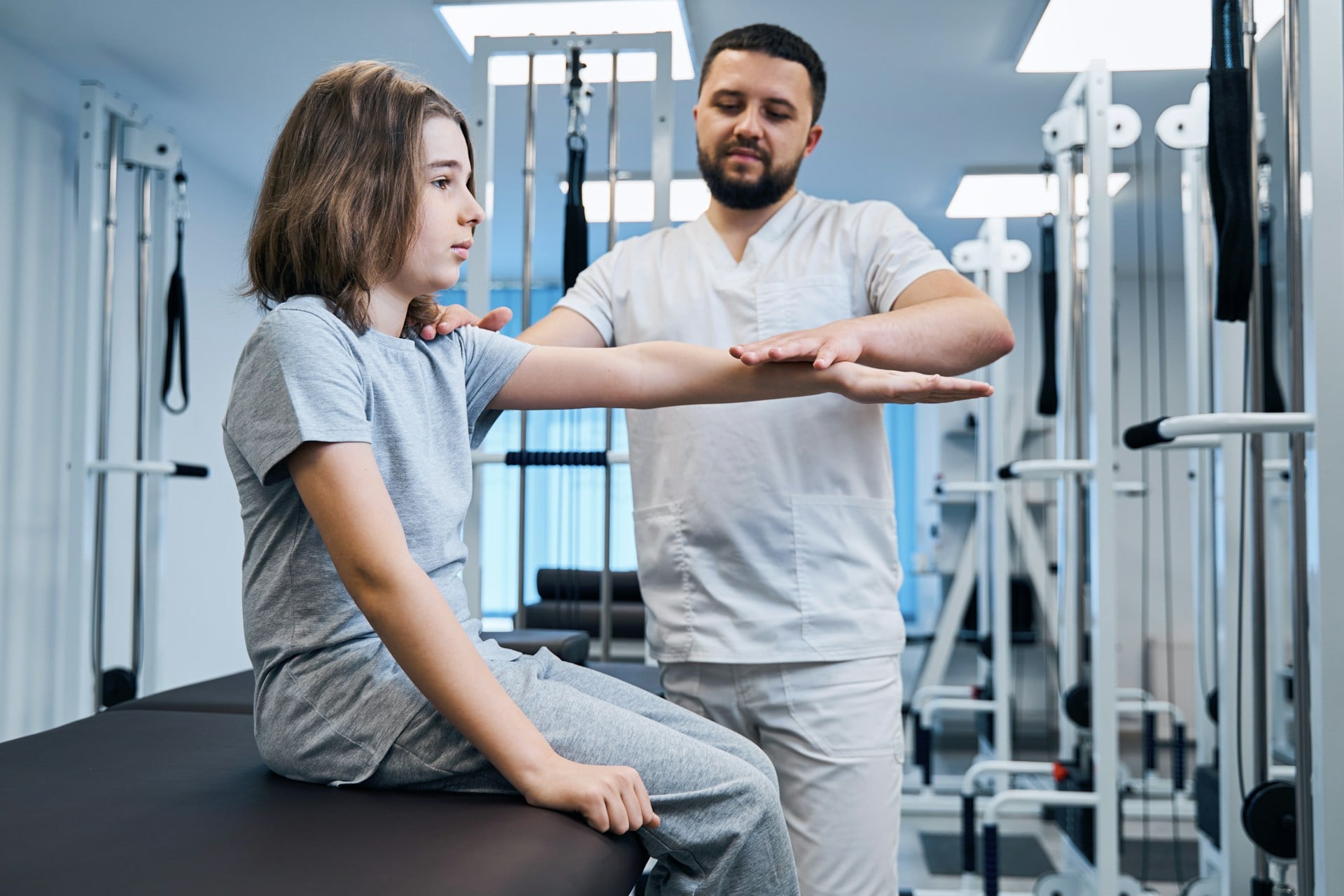
Many people think of physical therapy as something to do after an injury, but that’s only one part of its value. When used in sports medicine, it does more than ease pain or improve mobility. It works to keep movement strong, balanced, and responsive during training or recovery. Physical therapy in sports medicine is built around the way active bodies move and adapt across different seasons, goals, and sports. For those living and training in Boise, Idaho, late winter tends to be a time when stiffness builds up, outdoor routines shift, and recovery takes a little longer. That’s why this season can raise good questions about whether it’s time to look at the way your movement is supported. If you’re dealing with small setbacks or trying to prevent bigger ones, now might be the right moment to think differently about rehab and performance care.
What Physical Therapy in Sports Medicine Really Means
Sports medicine isn’t just about treating injuries after they happen. It’s often about what you do before your body gives you a problem. That’s where physical therapy fits in. In this setting, therapy zeroes in on how well your body handles pressure, movement, and balance all at once. It pays close attention to how your sport stresses certain joints, how your body recovers after practice, and what’s getting missed in your day-to-day mechanics.
Physical therapy in sports medicine focuses on three main things:
- Building smart patterns so you can keep training without breakdown
- Restoring function after injury in a way that respects your sport’s demands
- Making decisions based on performance goals, not just rehab charts
The goal is to work with your body, not against it. Often, that happens through collaboration. Physical therapists work within a broader sports medicine plan that may include input from orthopedic specialists or primary care sports doctors. Together, they build a smarter path back to movement that works with your season, strengths, and limitations.
If you need surgery or imaging aligned with your therapy plan, our team connects you with specialists, including board-certified orthopedic surgeons and fellowship-trained sports medicine physicians, within the same clinic for a seamless care experience.
Signs It Might Be Time to Consider This Kind of Care
During winter, we hear more people mention feeling slow to warm up, sore longer than usual, or tight after training. That’s no surprise in Boise when snow, cold, and slick sidewalks change how your body responds. But many people push through those signs, assuming they’ll pass with time. Sometimes they do. Other times, they’re early warnings that a movement pattern is off or recovery isn’t keeping up.
Here are a few cues that your body may be asking for more help right now:
- You notice regular stiffness during or after workouts
- There’s lingering joint irritation that doesn’t ease with rest
- You’re moving differently to avoid discomfort, even slightly
- There’s hesitation in certain lifts, landings, or cutting motions
If you’re dialing back your workouts or skipping your usual runs because something just feels off, it may not be about toughness. It could be timing. Early guidance can help realign your effort with what your body can actually sustain during this time of year.
How Therapy is Typically Structured for Sports-Specific Support
A lot of people don’t understand what sports-focused therapy actually involves. It’s not a one-size plan. The structure often changes based on the person, their activity level, and when in the season they’re coming in. But most care starts with a detailed look at how you move in real time. We don’t just sit and talk. We watch you walk, lunge, jump, or squat, whatever shows how your body performs under load.
From there, a typical course follows a few stepping stones:
- A clear assessment that identifies limits in mobility or strength
- A build phase that layers in corrective drills, strength work, or coordination exercises
- A progression plan that includes feedback based on your sport or seasonal changes
For example, if you’re training indoors more during winter, we may shift focus to balance and core control. That way, when outdoor conditions clear up, your body is already set up to shift back into higher intensity. It’s less about perfect movement and more about smart adaptation.
Our team at ISMI uses state-of-the-art motion analysis and customized therapy plans, which are adjusted for every athlete’s sport and unique needs.
How Winter Affects Movement Patterns and Recovery in Boise
Boise winters come with cold mornings, frozen pavement, and shorter daylight. Whether you’re lifting indoors or still braving the trails, it changes what moves well and what doesn’t. Cold weather lowers circulation, which can make muscles feel tighter. Tendons get less elastic. That combo makes sudden twists and landings harder to absorb.
Because of that, recovery isn’t just slower, it asks more of your routine. We often look for the following seasonal adjustments in care:
- Stability work for knees, ankles, and hips, especially if you’ve been less mobile
- Range-of-motion checks to track how joints respond after cold workouts
- Soft-tissue attention early in sessions to warm up sluggish areas safely
Athletes sometimes use winter as a recalibration phase. Without the pressure of long events or intense outdoor conditioning, it’s a good time to find and fix hidden imbalances. That kind of prep often pays off in spring when intensity ramps back up and the demands shift again.
Getting Ahead of Pain and Staying in the Game
You don’t have to be dealing with an injury to benefit from smarter movement work. Sometimes the best time to act is when things are just slightly off, not when they’ve gone completely wrong. That’s especially true in a transition season like late winter when bodies feel heavy, but spring training is right around the corner.
Choosing to work within the rhythm of sports-focused rehab doesn’t mean something is broken. It usually means you’re paying attention. If your activity level is high, or you’ve felt yourself losing momentum, this may be a window to restore alignment, control, or strength that’s faded a bit with the cold. It’s not about fixing something broken, it’s about keeping yourself ready, mobile, and confident in whatever you’re training for next.
At ISMI, we help active people in Boise, Idaho, stay mobile and confident throughout every season using smart approaches like physical therapy in sports medicine. Don’t let winter slow you down, reach out today to see how we can support you in staying ahead of discomfort and continuing to move with intention.