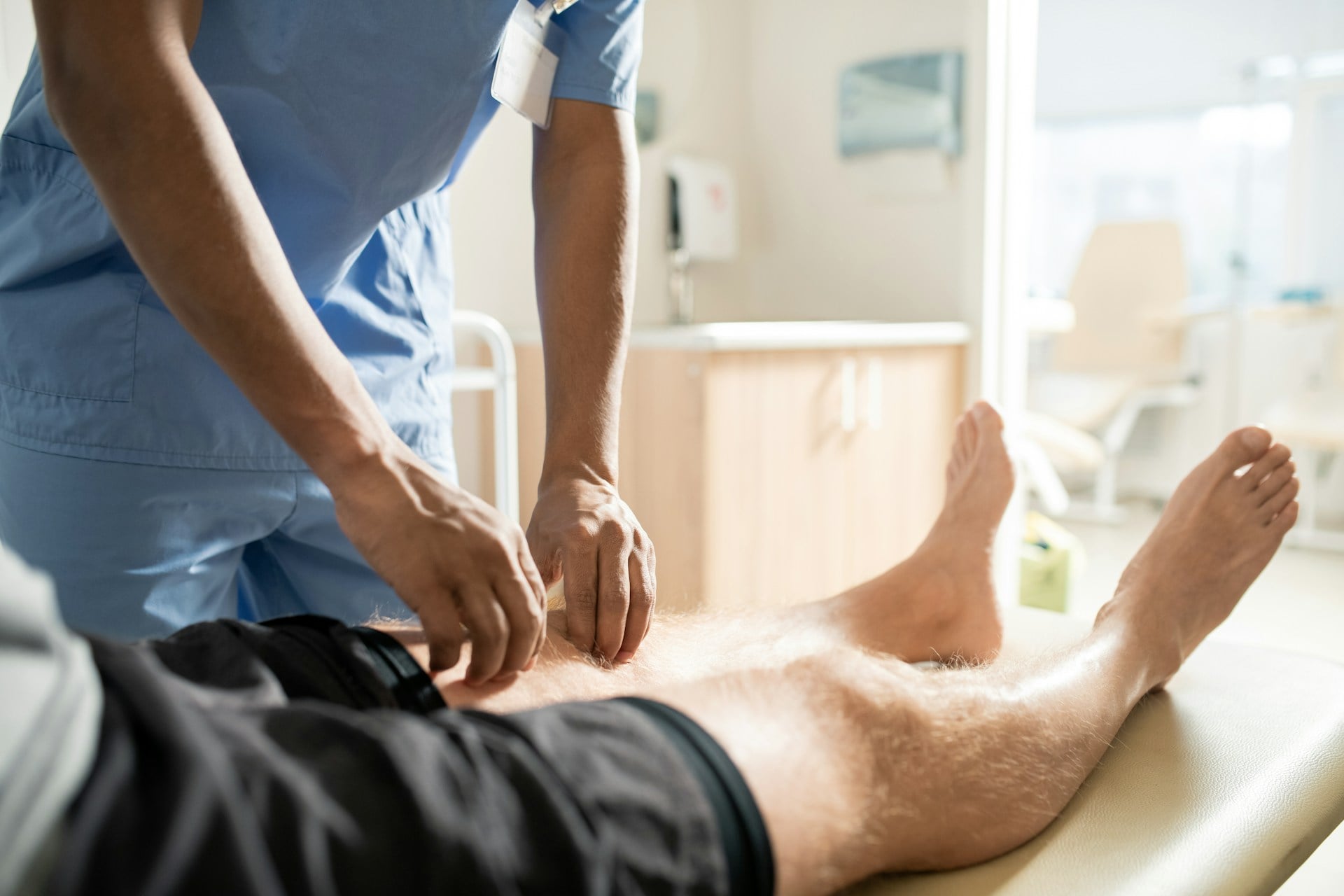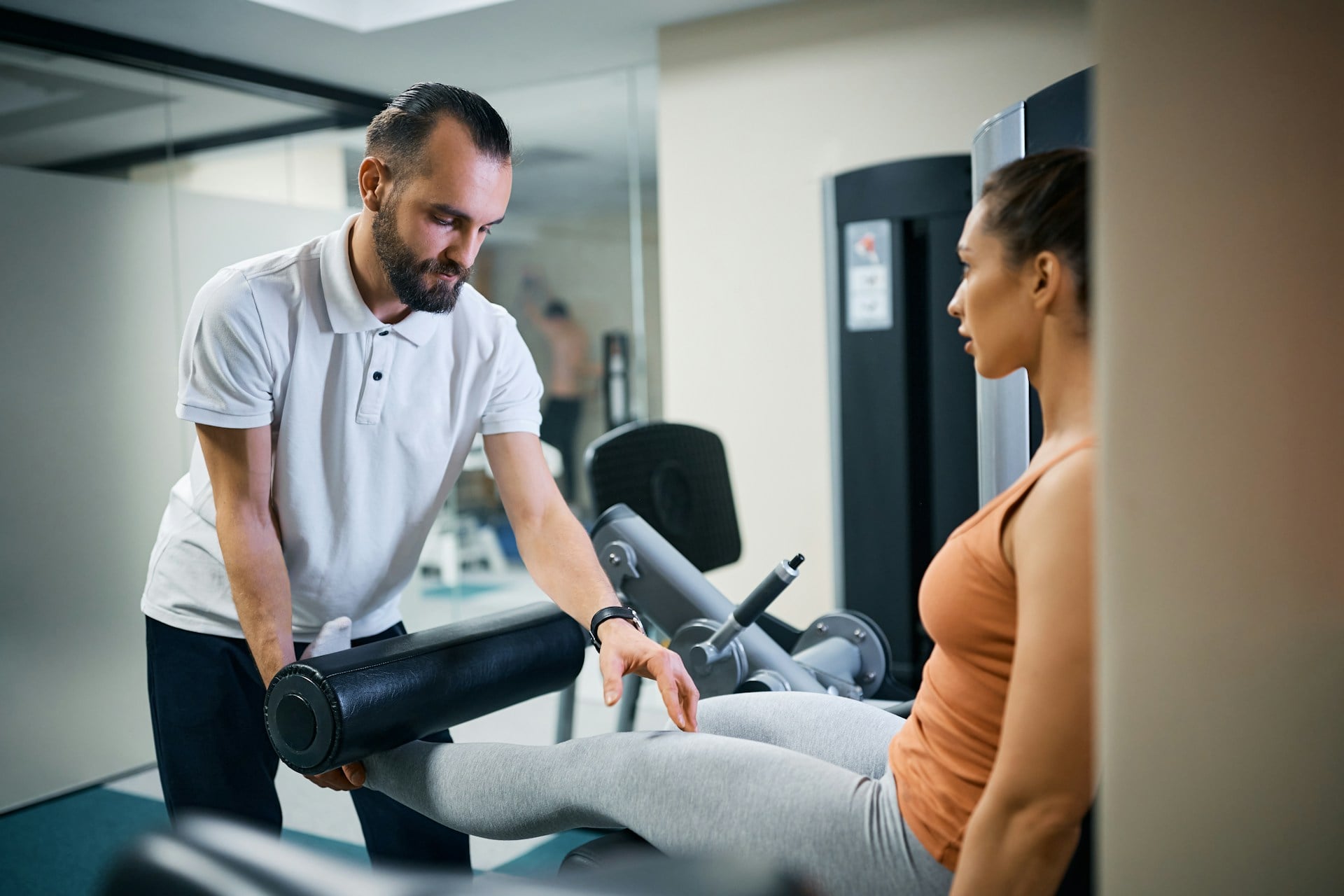
Boise winters tend to bring more than flurries and freezing mornings. They bring sudden slips on icy sidewalks, stiff joints after even the shortest walks, and a slower bounce-back after workouts. Whether you’re gearing up for spring races or just trying to stay active, this time of year challenges how your body moves and recovers. A physical therapist in Boise sees a clear shift in the kinds of issues people bring in during the late season. Not all of them are dramatic falls or big injuries. Sometimes it’s the slower recovery, the joint that used to behave, or the foot that starts to turn in when the ground feels slick. Knowing what to spot early can make all the difference before new training cycles begin.
Slips, Falls, and Worsened Imbalances on Ice
Even experienced athletes can’t always avoid winter slips, and once the body takes an unexpected jolt, things don’t always go back to normal on their own. Stepping awkwardly on packed snow, bracing too hard to regain balance, or catching weight with the wrong joint can do more than bruise your elbow.
- Slipping on uneven ground can strain low back tissues, twist knees, or wake up small imbalances in your step
- Old or mild hip and ankle issues that haven’t acted up in months may feel sharper because the body adjusts quickly on slick surfaces
- Our work focuses not just on helping people recover but guiding how they regain balance and muscle control before the next snowfall
Instability might start with a misstep, but it often turns into larger movement issues when left unaddressed. Sometimes a simple slip can change the way your body moves in everyday life. Muscles may tighten differently, joints could start to feel off, or you may unconsciously adjust your stride to avoid another fall. Catching those patterns now can help avoid re-injury during the next storm or training session.
Cold Weather Stiffness and Mobility Setbacks
It takes more than motivation to stretch properly when the weather makes every muscle feel like it’s moving through concrete. Cold air changes how the body circulates and contracts. What felt good in the fall might feel restricted now.
- Shoulders, necks, and knees stiffen faster in cold conditions, especially after periods of sitting
- Resistance training indoors builds heat, but it can also stress stiff joints more intensely, leading to muscle guarding instead of clean movement
- Structured warmups, direct mobility work, and progressive movement plans are key to keeping flexibility when your joints are colder from the start
The shift from outdoor to indoor activity, paired with less daily movement, can magnify this stiffness. It’s common to feel more locked up during transitional months, and ignoring these changes can lead to perpetually tight muscles. We often find that range of motion drops off without people noticing until it’s too late. Spending a few extra minutes moving intentionally when the temperature drops can save weeks of discomfort later.
Recovery Delays From Ongoing Winter Training
Just because we move workouts from outdoor to indoor doesn’t mean the intensity drops. In fact, many athletes go harder on machines or controlled surfaces this time of year, pushing toward spring goals or taking advantage of longer rest periods between events. But bodies still need time to catch up.
- Indoor training can load the legs, hips, and shoulders differently, leading to new stress patterns
- When soreness hangs around longer than expected, it’s often because micro-strains aren’t getting enough recovery attention
- Seeing a physical therapist in Boise during these training months helps align recovery strategy with training loads, especially before race season ramps up
Transitioning to indoor routines can introduce subtle changes, such as a slightly different stride on a treadmill compared to the open road, or using machines that activate muscle groups in new ways. While this variety is good, it can also reveal weak spots or promote odd patterns if recovery isn’t managed. At ISMI, our physical therapy team specializes in injury rehabilitation and sport-specific movement analysis, providing hands-on therapy, individualized exercise programs, and biomechanical assessments to help athletes regain control and return to pain-free activity.
Late winter is a great time to work through restrictions before the pace picks up again. Waiting until pain limits performance can turn a short rest into a longer training break.
Aggravated Old Injuries or Surgery Sites
Cold weather has a way of waking up discomfort in places you thought had been quiet for good. If you’ve had orthopedic procedures, dealt with tendon pain, or managed previous sports injuries, Boise’s non-stop freeze and thaw cycle can stir things up again.
- Scar tissue and joint sensitivity often flare in chillier temperatures, especially in areas like the spine, knees, and shoulders
- Lack of outdoor movement can cause people to shorten their stride, shift their weight, or spend longer stretches in stillness, all of which can lead to compensation
- Getting ahead of these small setbacks now means those old injuries aren’t the reason you miss your goals in early spring
It can be frustrating when areas you’ve worked hard to heal start acting up again. Small movements, like turning too quickly or supporting extra weight, might bring back sensations you haven’t noticed in months. This doesn’t always point to a new injury, but rather a signal that your body needs a revised routine. Instead of working around aching areas each week, we help people understand what feels different and why, so they don’t have to rearrange their entire workout every time winter changes plans.
Compensating for Low Sunlight and Indoor Time
The shorter, darker days cause more than low energy. They change how much people walk, stretch, and move between desk time or training blocks. Without noticing, we see athletes drift into different posture patterns or slack on everyday body care routines.
- Low sunlight hours often mean less natural movement, which can sap hip and core strength when sitting takes over
- When movement patterns break down, compensation shows up, one leg starts doing more work, one side tightens more than the other
- These offsets can create back tightness, neck tension, or even flare plantar pressure without a major cause
Along with less outdoor activity, the mind can become less motivated to perform additional stretching or postural checks. Without the regular cues from a changing environment, people may sit longer and move less frequently, causing subtle shifts in the way muscles activate. In addition to in-clinic therapy, we encourage athletes to maintain daily movement routines and flexibility check-ins at home, using simple mobility drills personalized during physical therapy sessions.
Targeting control and balance, not just strength, can help your body stay aligned even when your schedule shifts with the sun. And when spring returns, you’ll be better off for it.
Getting Control of Winter Before Spring Training Returns
February in Boise sits right at the edge of change. Trails thaw, race calendars get posted, and workout plans pick back up fast. But this in-between period is one of the best times to check in with your body. Minor tweaks now can keep you from bigger setbacks in March and April.
- Late winter is when patterns show, if something has felt off for a few weeks, it usually won’t fix itself with longer daylight alone
- By focusing on strength, range, or joint behavior now, you can build a better rhythm before outdoor training adds unpredictability
- Most of the people we see this time of year aren’t dealing with major injuries, just quiet signals that something needs adjusting before performance goals kick back in
Whether you’re showing up to the gym consistently or just trying to stay mobile through the icy weeks, how your body handles winter can shape everything that comes next. Moving well now means training smart later.
When winter leaves you feeling tight, off-balance, or slow to recover, it’s the perfect time to address those lingering aches before spring activities pick up. Late-season stiffness often reveals movement patterns that are easier to improve with a targeted approach. At ISMI, we help active individuals tune in to what their bodies are telling them, especially in that important stretch leading up to spring training. For support from a trusted physical therapist in Boise, schedule your visit with us today.