
When winter sets in across Boise and temperatures drop, athletes often have to make quick shifts in how they train and recover. Cold weather affects the body in subtle ways that can build up fast if they’re not addressed, especially for those who stay active outdoors. From muscle tightness to icy terrain, local conditions can create the kind of physical stress that needs a closer look.
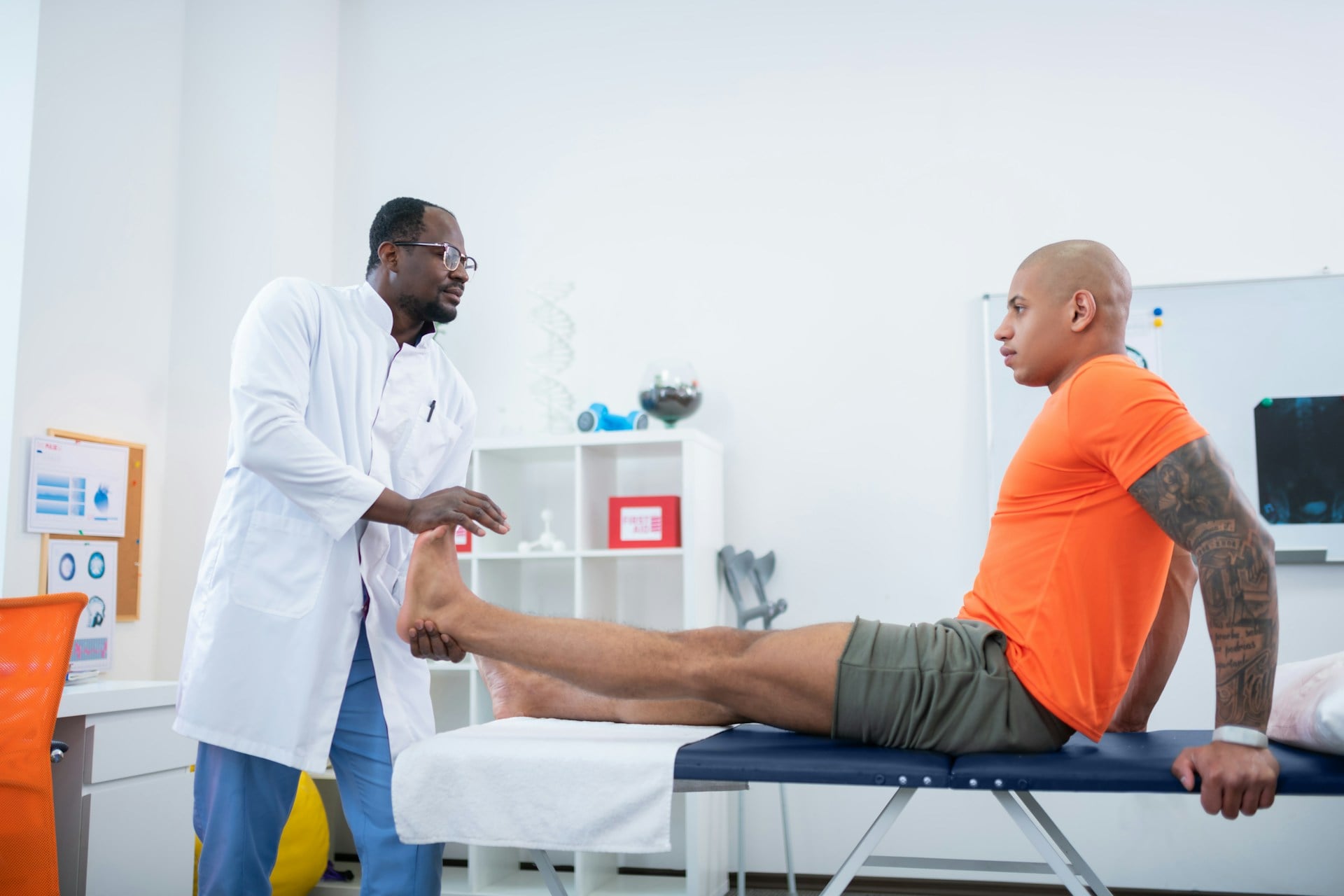
Seeing a sports injury doctor in cold weather often means thinking differently about pain, performance, and recovery. The type of injury, how quickly it heals, and even the way a joint moves can change when it’s 20 degrees and snow is on the ground. Understanding seasonal effects helps athletes adjust and stay on track without losing momentum.
How Cold Weather Affects Injury and Recovery
Strict winter conditions can shift the way your body operates, especially under stress. If movement feels different or slower, there’s usually a reason. The cold affects muscles, tendons, and joints in ways that demand better awareness during workouts and activities.
- Blood flow decreases in colder weather, which can make muscles and connective tissue tighten up. That slower circulation means the body doesn’t warm up as easily, leaving you more prone to pulls or strains during rapid movement.
- Injuries common this time of year often stem from slips, quick changes in direction on uneven surfaces, or joint stress during winter sports. People tend to guard more when cold, which can lead to imbalances in stride or tension in the low back.
- Cold temps don’t just increase the initial injury risk. Recovery can take longer too. Tissue healing may progress more slowly, which means some athletes need more time or added support between sessions.
This doesn’t mean you need to avoid working out entirely. It just means recognizing that the rules shift a bit, and being prepared for that shift makes all the difference.
What an Evaluation Typically Looks Like in Winter
Coming in for an evaluation when it’s cold out isn’t quite the same as showing up during the warmer months. We look at seasonal movement habits, gear choices, and how outside conditions may be affecting your mechanics.
- A sports injury doctor may assess how joint mobility is functioning under colder temps. Are your ankles moving freely? Are you compensating for tight hamstrings or frozen toes?
- We pay particular attention to stability and load control, especially for anyone engaging in snow sports or gym lifts. In winter, a misstep from an icy sidewalk or a heavy deadlift can turn into a lasting issue.
- For outdoor athletes, we may ask about footwear, traction, and exposure times. The type of shoes you’re training in or how long you’re running outdoors matters, especially if the support isn’t ideal.
At ISMI, our sports medicine doctors are experts in diagnosing and treating acute injuries, as well as providing comprehensive support for ongoing recovery. We utilize advanced imaging, orthopedic consultations, and individualized treatment programs to make sure you get the most appropriate care for your injury and season.
This kind of tailored check-in helps find small issues before they affect winter training goals more seriously.
Treatment and Rehab Strategies That Work in Winter
Winter rehab and recovery planning often includes an extra layer of care. Between shorter days and colder limbs, how we address injury and pain during this time of year shifts slightly.
- We may suggest longer, slower warm-ups to ease the body into a more ready state instead of jumping straight into a routine. Sometimes that means foam rolling, activation drills, or guided mobility before adding load.
- Indoor training setups often come into play. Winter adds barriers to certain types of workouts, so adjusting routines to help make gains indoors without overloading new movement patterns becomes part of the plan.
- For some injuries, we use more soft tissue work or mobility-based care early on. Cold muscle responds differently, especially around old scar tissue or past injuries that tend to flare.
These tweaks might seem small, but they help an athlete stay consistent through Idaho’s coldest months.
At ISMI, we are equipped to provide injury-specific rehabilitation through a multidisciplinary team that can adjust your plan as recovery conditions change throughout the season.
Role of Prevention and Maintenance Between Visits
We often talk more about maintenance in January than we do mid-summer. That’s because when movement habits shift this much, staying on top of the little things matters more than ever.
- Your sports injury doctor may recommend personalized exercises designed to offset the impact of dormant or stiff muscle groups. These often target hips, shoulders, and arches of the feet.
- Home routines can make or break progress in winter. Dynamic warm-ups, balance work, and mobility checks built into a daily rhythm go a long way, even when you're not seeing us that day.
- Keeping track of how your body is responding week to week makes a big difference. That tracking doesn't have to be high-tech. It can be as simple as noting which workouts felt stiff, which ones felt solid, or if soreness lasts longer than usual.
A little attention to maintenance on your own can make rehab sessions more productive when you're with us.
When to Follow Up and What to Track During Winter Recovery
Sometimes recovery hits a plateau or takes an unexpected turn, especially when outdoor conditions keep changing. Paying attention to how your body’s trending is a big part of winter sports care.
- If you're noticing recurring pain, reduced range of motion, or even hesitation during a certain movement, it might be time to check in. These can be signs that rest alone isn’t enough.
- Locking joints or new weakness in an area that used to feel stable should always be looked at. Boise weather can throw new layers of instability into simple movement patterns.
- Our treatment strategies may change based on how your body is responding. For example, we may space out treatment slightly to allow for deeper tissue recovery or modify your strengthening work depending on outdoor exposure time.
Winter recovery often works at a different pace. Watching for these shifts helps us stay ahead of problems instead of chasing them.
Staying Strong Through Boise Winter
Staying active through winter has its own rhythm. That rhythm isn’t about doing more, it's about staying smart and steady when your environment adds weight to every step. The role of a sports injury doctor in cold weather is less about reacting to pain and more about supporting movement that never fully stops.
No one wants to lose strength or momentum just because it’s cold outside. What works is adjusting plans, building recovery time into routines, and knowing when to back off and when to push. Movement quality matters more than numbers right now, and listening to what your body is saying each week helps you hit spring with a better base to build from.
The snow and ice don’t have to slow everything down. Being intentional can help you train smarter and stay closer to your goals, even when Boise winter is pushing against them.
When colder weather makes it harder to stay active, knowing what your body needs can help you maintain progress through the winter. At ISMI, we guide active Idahoans to identify where small changes in movement or recovery can make a big difference. Working with a sports injury doctor can help you understand underlying issues so winter training leads to spring success. Reach out to start a conversation about your goals and how we can support your progress, contact us today.