Winters around Boise have a way of sneaking up on the hips. Whether it’s icy sidewalks, cold joints, or just the urge to hibernate instead of move more, this time of year can hit the body a little harder, especially for active people. For those managing pain around the hips, winter’s slower pace and uneven terrain often make discomfort more noticeable. We see it time and again: mobility gets tighter, recovery lags a bit longer, and simple movement patterns start to feel off.
That’s where physical therapy in Boise, ID can play a big role in getting things back on track. Whether you’re someone training hard indoors to stay spring-ready or just noticing that old hip ache creeping in again, understanding how to manage it now can set the tone for a stronger season ahead.
Understanding Hip Pain in Active Adults
Hip discomfort can mean a lot of different things. It might be that deep, dull ache after a long run. It might show up as tightness after sitting. Or maybe it’s a light pulling you only really feel going up stairs or trying to open stride again outdoors. For active adults, hip stress usually builds over time. Sometimes it starts from overuse or poor mechanics. Other times, it stems from unresolved injuries that quietly pull the movement chain out of sync.
Winter can stir that up quicker than expected. The body works harder to balance on slippery surfaces. Muscles contract more to stay warm. Even regular movement routines shift indoors, changing how the load hits the hips. Cases that felt manageable in the fall, minor tracking issues or light tendon tightness, often feel louder when footing is unstable and cold.
This matters more than most people think. Letting those limitations roll unchecked into spring training can lead to bigger setbacks later. Paying attention now gives us a chance to figure out what needs support while workloads are still on the lighter side.
ISMI’s team provides detailed movement assessments, giving each patient recommendations based on their sport, work demands, or history of previous injury that may be contributing to hip pain. Our coordinated physical therapy care includes both hands-on treatment and progressive strength programs designed to address root causes, not just symptoms.
How Physical Therapy Supports Hip Mobility and Strength
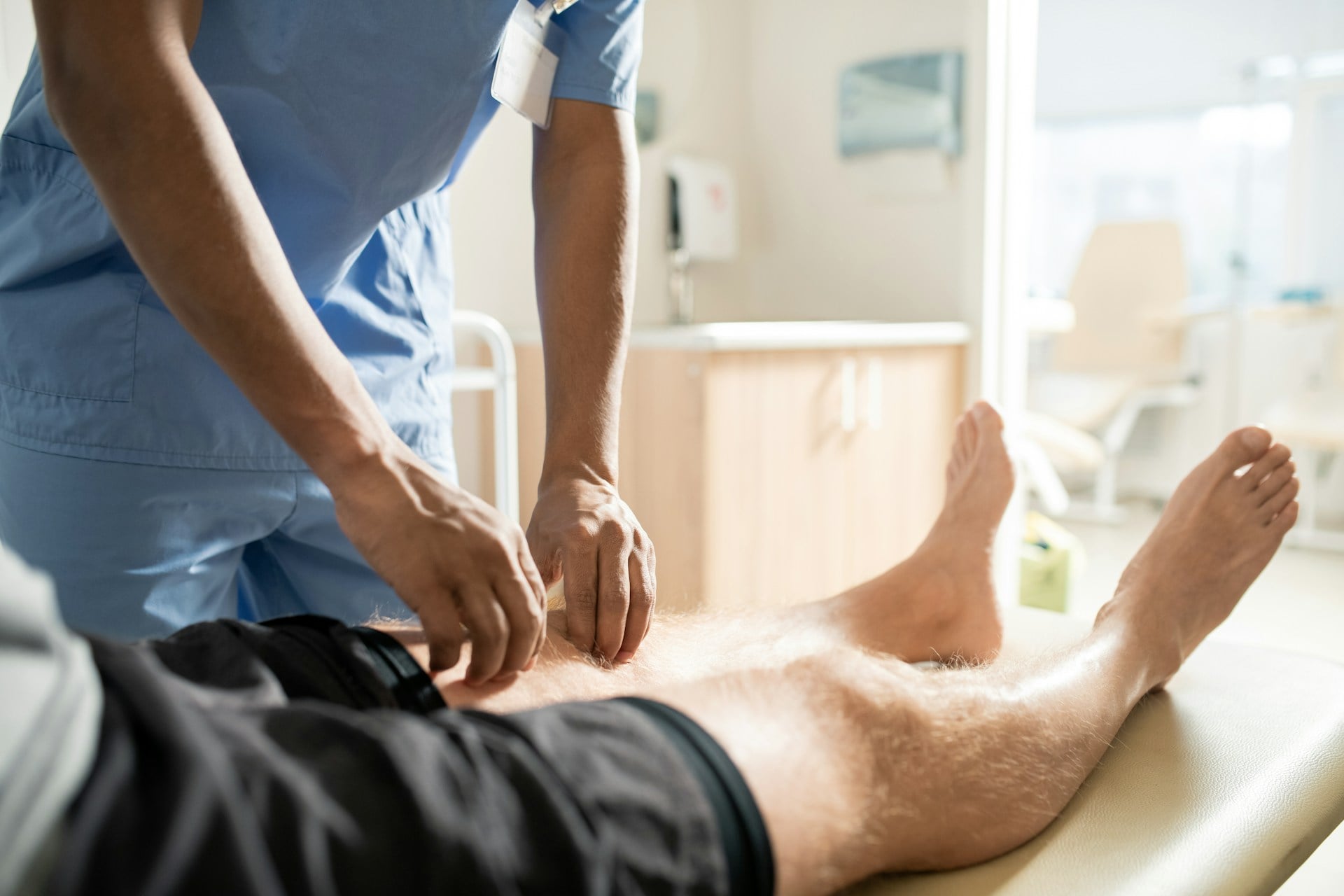
When someone comes in with hip tightness or discomfort, our first job is to look beyond the pain itself. We spend time watching movement, testing range, and comparing how each joint contributes to daily tasks. Hips rarely act alone. They’re linked to the spine, knees, and even the ankles with every step. If one part isn’t doing its share, the hip takes more of the load.
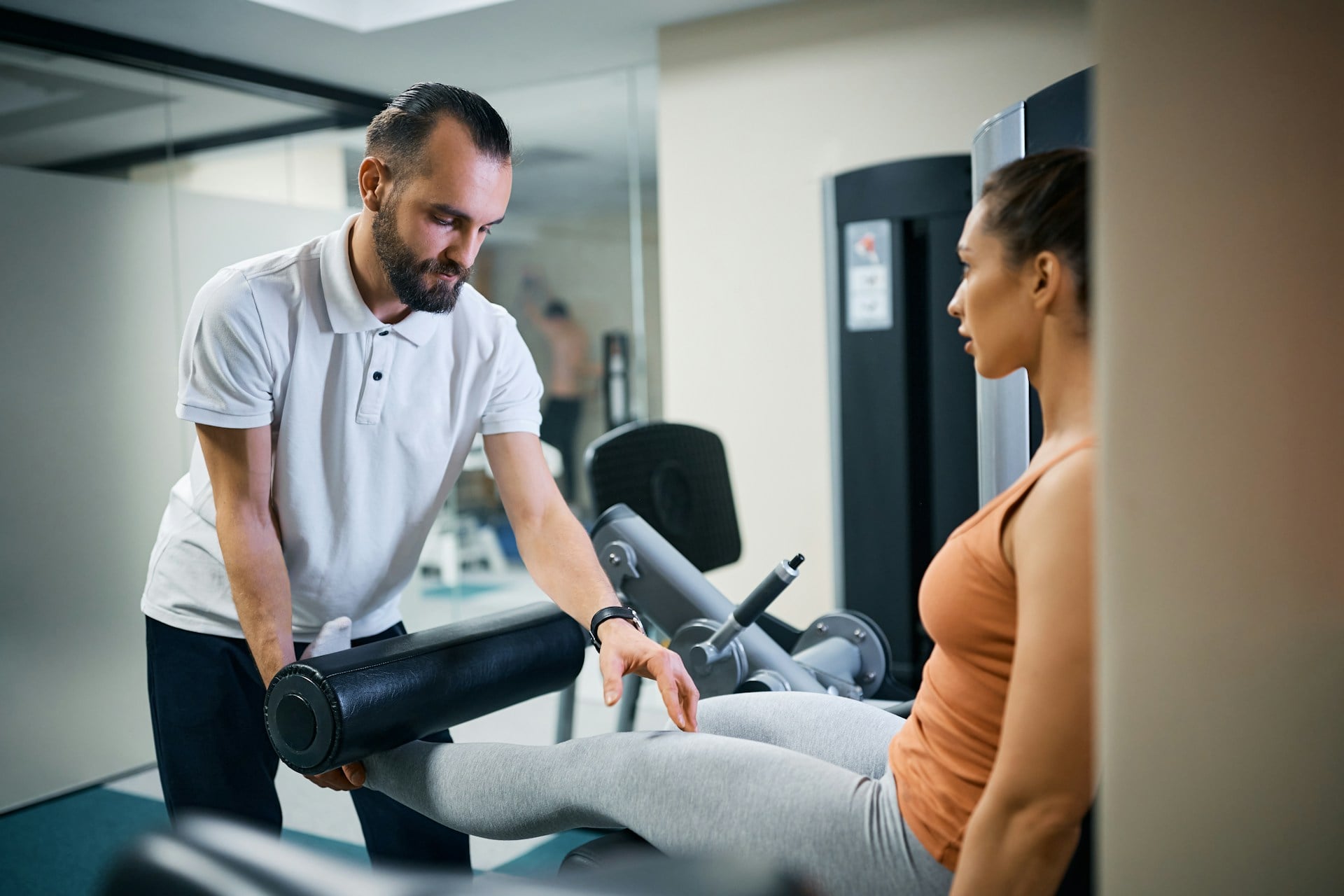
That’s where muscle control and mobility strategy come in. A physical therapy plan helps loosen restricted areas while reinforcing the ones that need more stability. We may use hands-on techniques or guided movements to bring function back online, focusing not just on reducing discomfort but making sure motion returns in a clean, efficient way.
Since physical therapy in Boise, ID often includes both in-clinic and home-based work, we consider how winter routines impact recovery. Snow, training shifts, and colder temps can all demand different patterns. Adapting care to match that gives people better footing as they move into longer daylight hours.
At ISMI, we use advanced techniques such as soft tissue mobilization, individualized exercise prescription, and movement retraining to restore comfort and control to the hip joint so you can return to natural, unrestricted movement.
Winter Habits That Can Worsen Hip Discomfort
Most people move less in February than they do during peak training months. That’s not a failure, it’s part of living in a colder place. But with less outdoor time, hips often get the short end of the stick. Sitting increases, uncued movement drops, and low awareness of shifts in posture or gait can make underlying issues worse.
A few winter habits can quietly fuel hip discomfort:
- Long bouts of sitting reduce circulation and limit full stride extension
- Swapping walking with stationary movement while avoiding flexibility work flattens joint rotation
- Asymmetrical effort, like favoring one leg, creeps into routines without much notice
These are the kinds of patterns that don’t always come with obvious pain. Sometimes it’s a small limp, a toe that turns out, or a core that stops engaging naturally. But when one side works more than the other, those little shifts begin to stack up. By the time outdoor workouts return, those habits are locked in.
Building a Personalized Recovery Plan
The right recovery plan doesn’t come from a generic hip program. It comes from listening to what the body is trying to say, the way the pain shows up, and how each individual moves. Physical therapy takes all of that into account. We start by learning the person’s sport, history, and daily patterns. Then build from there.
Most recovery plans include:
- Progressive mobility work for joint rotation and stride extension
- Core and glute activation drills to stabilize the hips during movement
- Strength layering that matches seasonal goals and sport demands
We aren’t just helping people feel better in the short term. We’re teaching hips how to perform again. That means building control first, then strength, then adding load in a way that sticks. The more specific the plan is to the person and the season their body is in, the better it works long-term.
Set Up for a Strong Spring: Why Now Matters
Late February might not feel like the most exciting part of the year, but it’s actually one of the best times to adjust stuck patterns before spring routines return in full force. The chill lingers, but trailheads start to thaw. Race calendars hang on the fridge. And workouts feel more intentional than reactive.
That’s why we like to think of this moment as preparation, not pause. Nagging aches might not disappear with warm weather unless there’s a shift in plan. Training with stiffness, even a little, ends up slowing progress more than slowing down ever will.
Taking this time to check in, get ahead of habits that no longer serve, and give hips a fighting chance at comfort makes the rest of the season go smoother. Movement should feel confident, not cautious, and that starts with how we treat pain when it first speaks up.
Don’t let winter hip pain hold you back from a vibrant, active spring. At ISMI, we specialize in helping you reclaim your mobility with our expert approach to physical therapy in Boise, ID. Our personalized movement assessments and tailored treatment plans are designed to ease discomfort and enhance your overall function. Schedule a visit today and take the first step towards moving with confidence and ease when the warmer months arrive.