
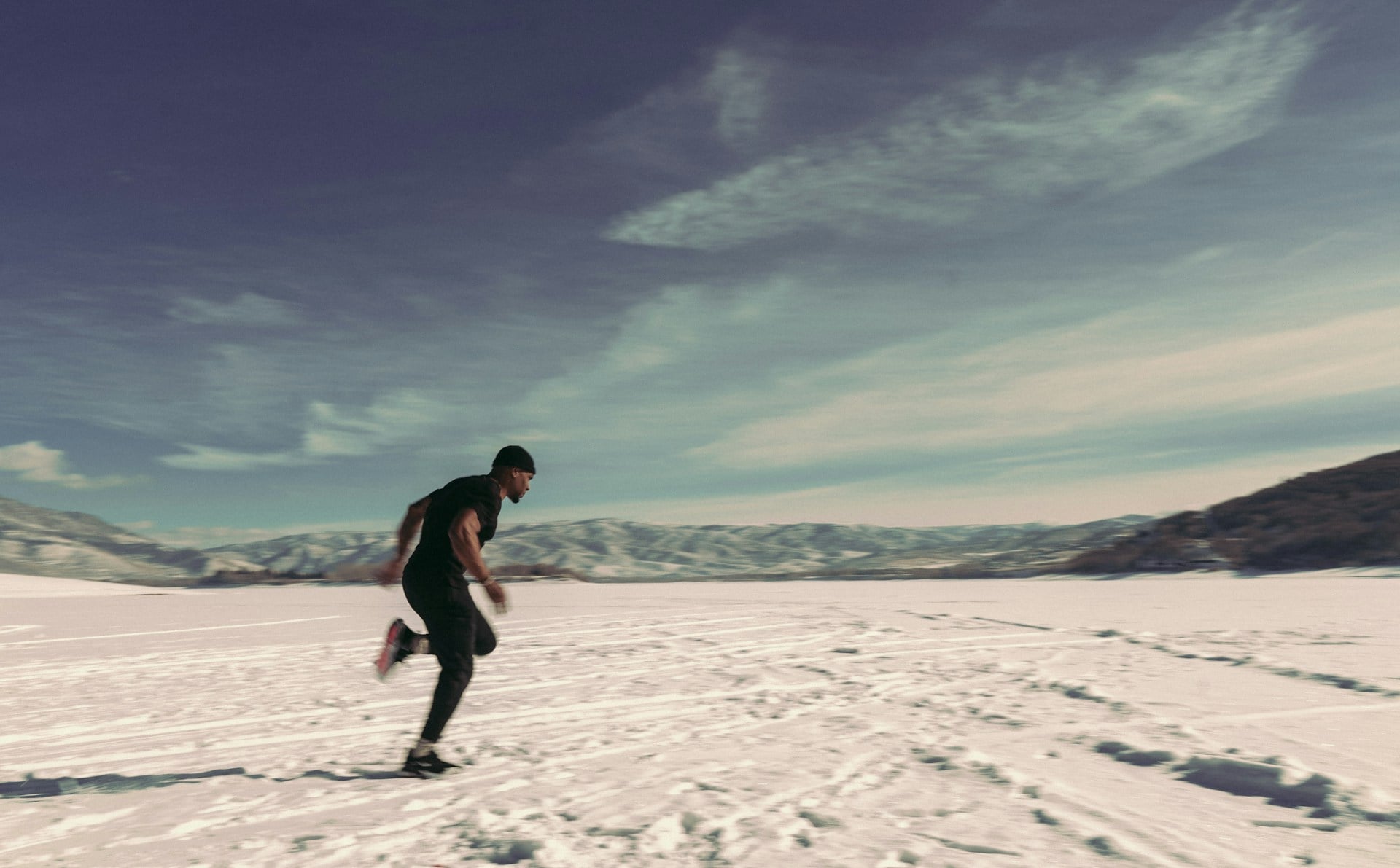
When snow starts stacking up on the foothills and temps drop into the 20s, many athletes in Boise keep moving anyway. Winter might change where and how people train, but the goals don’t go anywhere. Staying strong, recovering well, and moving without pain still matter, no matter what the weather says. Athletic physical therapy plays a big part in that. It helps bridge the gap between nagging aches and real injury and gives local athletes a way to keep building progress even when routines shift indoors. Whether it’s early-season ski soreness or stiffness from heavier gym lifts, cold weather has a way of showing weak spots. Let’s break down how physical therapy supports winter training in Boise, before small things turn into bigger ones.
Winter Challenges Boise Athletes Often Face
Staying active when it’s cold takes a bit more planning. We see common movement issues start creeping in during the first few weeks after winter hits full swing. For a lot of athletes, it comes down to routines being interrupted or reshaped in a way that throws off the usual balance.
- Cold weather tightens up soft tissue. Muscles don’t stretch as easily and joints might feel stiff, especially in the morning or right after long sitting periods. That alone ups the chance of tweaks or minor strains.
- The switch from hiking trails to treadmill runs or free weights in the gym changes how your body moves. You’re asking different muscles to take over, sometimes before they’re ready.
- Winter sports come with their own risks. Skiing, snowboarding, even long days on snowshoes can bring stress to the knees, shoulders, and low back. Hard landings or uneven terrain only add to that.
It’s not always about a major fall or collision. Many of the issues we treat this time of year build from repeated movement, lack of recovery, or performing high-speed sports in cold, tight muscle environments. Athletes may find that simply warming up takes longer and that areas prone to previous strains or injuries feel more sensitive as winter progresses. Even routines that felt easy or automatic months ago may suddenly feel awkward or lead to discomfort, showing how much cold weather influences muscles and joints. It’s normal for training confidence to fluctuate as routines move indoors or shift in intensity, adding to the challenge of adjusting throughout the season.
Athletic Physical Therapy as Preventive Care
What we often remind athletes of during winter is that physical therapy isn’t only there to fix what’s broken. Used the right way, it’s part of how you stay ahead of problems entirely. Athletic physical therapy helps keep movement patterns clean and controlled when the body is working through fatigue, old scar tissue, or tight ranges.
- Functional movement checks during the early weeks of winter can bring a lot of insight. We often catch small instabilities or imbalances before they grow into something that takes longer to manage.
- Helping the body recalibrate between outside terrain and inside equipment helps prevent load changes from catching people off guard. When movement isn’t efficient, the risk rises, especially under barbell work or when cutting quickly on gym floors.
- We work with athletes to build mobility warmups and strength sets that match the type of winter activity they’re doing. Those plans shift depending on whether someone is downhill skiing, lifting for spring season prep, or just hoping to stay pain-free for runs.
Our physical therapy and sports rehabilitation services are tailored to each athlete based on their sport, activities, and unique injury risks, and our team leverages advanced techniques like biomechanical assessments to spot issues early.
This is where therapy becomes more than a reactive tool. It acts like a check-in for your whole training system when the season changes. By making sure movement patterns are working well even during cold spells, you create less risk of bigger setbacks later. Checking in with a skilled professional gives practical insights for smart adjustments, especially when your routine, intensity, or terrain is in flux. Most athletes find these small changes improve both performance and comfort, two things worth keeping consistent no matter the time of year.
Supporting Recovery from Winter Sport Injuries
Winter injuries don’t have to be season-ending, but they do tend to follow patterns. Quick slips on icy ground or hard ski landings are common. So are overuse issues from pushing through tightness instead of listening to what the body’s saying.
- Recovery often starts with managing acute pain, but it moves quickly into rehab that builds tissue back up and strengthens whatever failed. We see a lot of knee stresses from skiing and snowboarders who land short.
- Once basic pain levels go down, therapy becomes more focused on how the person moves in their sport. For outdoor winter athletes, that could mean agility drills while wearing gear, or rebuilding strength to handle another long weekend on the slopes.
- Hands-on treatment like joint work or soft tissue release is useful, but so is retraining movement. Rebuilding confidence in injured tissue is just as important as healing it.
Our approach uses evidence-based rehabilitation that blends manual therapy, functional exercise, and education to restore safe mobility and help prevent re-injury.
What matters most is not rushing. Winter recovery needs the same attention to timing that summer competition does. Good advice and a smart rehab plan can mean the difference between being stuck inside for two months or safely easing back into your gear. As you work through recovery, it’s helpful to remember that steady progress beats quick fixes. Focusing on regaining stability and healthy movement is often the best way to feel strong again after winter injuries.
Adjusting Performance Plans for Cold-Weather Training
Off-season doesn’t mean off-the-clock. Winter might not have as many races or competitions, but it carries its own training demands. That’s especially true for athletes who use these months to build strength, regain balance, or recover from fall season fatigue.
- When the snow hits, regular runs might turn into treadmill cycles or powerlifting blocks. That kind of change puts extra emphasis on how the body absorbs force. Learning how to distribute weight properly or reset form between lifts matters more here than during peak race periods.
- Fatigue in winter doesn’t always come from overtraining. It can show up because of poor sleep, stress, low sunlight, or food shifts. Recognizing when fatigue is affecting training, and modifying plan loads, is an important piece of long-term progression.
- Athletic physical therapy helps athletes understand their limits without crossing them. From stride checks on indoor runs to adjusting a deadlift sequence, we give feedback based on how the body responds, not just how the plan looks on paper.
These months are a great time to polish form and fine-tune habits. Doing so helps carry momentum when spring kicks things back up again. If training sessions feel heavier than normal, that’s often a signal that small changes in sleep, nutrition, or recovery are affecting you more than in summer. Physically and mentally, these months can be tricky, so making training plans a little more flexible can make a big difference. Staying comfortable with changes and being open to small adjustments can allow athletes to get the most from their indoor routines and cross-training efforts through winter.
Staying Active, Even When It’s Cold Out
Winter doesn’t have to slow everything down. For many athletes, it’s a chance to reset. Athletic progress often comes from small, thoughtful changes over time, not just big workouts or new records. Physical therapy supports that process by meeting the body where it is, not where it used to be.
When we help athletes adjust training plans, improve recovery, or regain better movement through therapy, we’re aiming for long-term strength. That kind of change sets people up to hit spring ready, without the setbacks that come from ignoring winter wear and tear.
We work closely with athletes across Boise, Idaho, to help them train smart through the colder months. Whether you’re recovering from a ski injury or adjusting your routine for indoor workouts, we offer detailed support to improve movement and keep you active. When you notice your body reacting to winter terrain or training changes, now might be the right time to consider how athletic physical therapy can fit into your plan. Let’s talk about what you need and how we can support your goals, contact us today.