
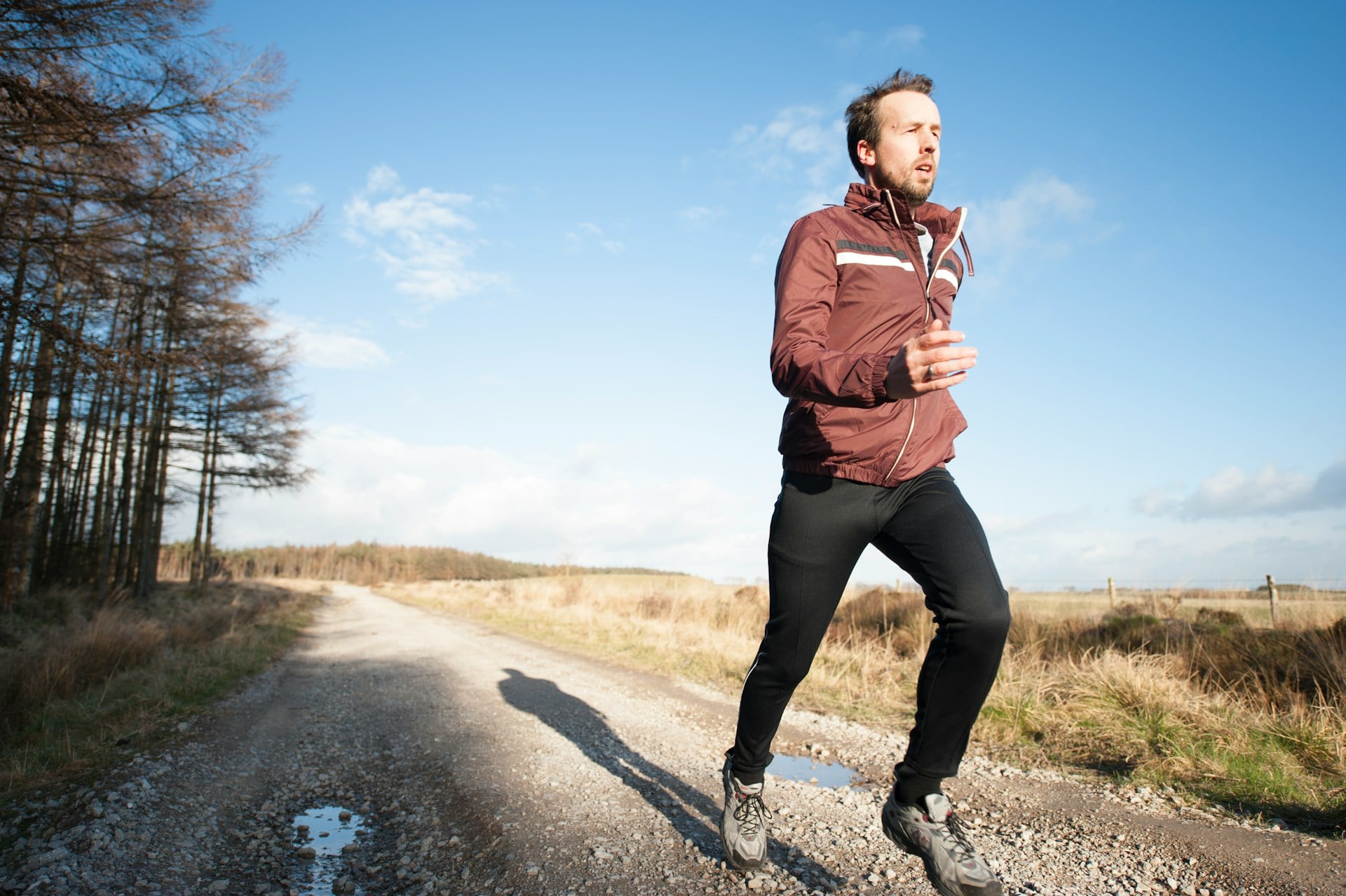
Running is an invigorating activity that many in Boise enjoy throughout the year, offering both mental and physical benefits. However, without the right precautions, runners can find themselves sidelined by injuries. As winter approaches in Boise, it's especially important to prepare for the challenges that cooler temperatures bring. Icy trails and reduced daylight hours can impact a runner's routine, increasing the chance of slips and falls. Understanding how to prevent injuries can keep you running smoothly, regardless of the season.
Injury prevention isn't just a winter task; it's an ongoing part of being a runner. Learning how to protect yourself helps sustain an active lifestyle and achieve personal goals. In Boise, where outdoor activity is a way of life, reducing injury risk is key to staying on track all year round. This guide aims to provide practical and easy-to-follow tips tailored to the needs of runners in the area. By being proactive, you can enjoy running safely and efficiently, even as the weather turns colder. Let's explore some common injuries and ways to avoid them.
Understanding Common Running Injuries
Running regularly can sometimes lead to injuries, particularly if you push yourself too hard or ignore warning signs. Here are three common injuries that runners might encounter:
1. Shin Splints: This pain in the front part of your lower legs is often caused by increasing mileage too quickly or running on hard surfaces. Runners might notice a dull ache in their shins, especially at the start of a run.
2. Stress Fractures: Repeated stress on bones can cause small cracks, often in the feet or legs. They usually develop gradually and might start as mild discomfort that worsens over time. Ignoring them can lead to further complications.
3. Plantar Fasciitis: This involves pain in the heel or bottom of the foot. It's common with uneven running surfaces and wearing the wrong shoes. The pain is usually sharp first thing in the morning or after sitting.
To recognize these injuries early on, pay attention to persistent soreness or unusual pain that's not improving with rest. Changes in your running form, to compensate for pain, can also suggest that something's not right. Always listen to your body and adjust your routine to prevent these common injuries. With a little vigilance, you can enjoy your runs without undue stress on your body.
Warm-Up and Stretching Routines
Preparing your body before hitting the running trails in Boise, especially during winter, is key to avoiding injuries. A good warm-up routine gets your blood flowing and muscles ready. Start with a brisk five-minute walk or a gentle jog. This helps increase your heart rate slowly and prepares your muscles for more intense activity. Once you're warmed up, spend some time stretching, focusing on areas like the calves, quads, and hamstrings. Simple stretches like seated toe touches or standing quad stretches can make a significant difference. These stretches reduce tension, improving flexibility and reducing the risk of muscle strains.
When stretching, aim to hold each position for about 20-30 seconds without bouncing. The goal is to feel a gentle pull without causing discomfort. Incorporating regular stretching into your daily routine can enhance overall flexibility. It’s worthwhile to remember that each body is unique, so adapt your warm-up and stretching routine to what feels best for you.
Proper Running Techniques
Good running form is essential not just for efficiency but for preventing injuries too. Start by maintaining an upright posture with your head level and eyes looking forward. This helps align your spine naturally. Your arms should swing comfortably at your sides, not crossing your body, as this motion keeps you balanced. Aim for a mid-foot strike rather than landing heavily on your heels or toes. This reduces impact stress on your joints.
Choosing the right running shoes also plays a crucial role. Look for shoes that provide good cushioning and match your foot type, whether flat, neutral, or high-arched. It’s often beneficial to visit a local running store in Boise to get your gait analyzed. They can recommend shoes that suit your specific needs, minimizing injury risks.
Strength Training and Cross-Training
Incorporating strength training into your routine is a smart way to boost your running performance and cut down injury risks. Focus on exercises that target key muscle groups used in running. These include squats and lunges for your legs, which improve muscle power, and core exercises like planks to enhance stability.
Cross-training is another effective strategy. Activities such as cycling, swimming, or yoga can improve overall fitness while reducing the risk of overuse injuries associated with repetitive running. These activities give your muscles a chance to recover while still providing cardiovascular benefits and maintaining your fitness level.
Listen to Your Body
Being aware of your body’s signals is an important part of injury prevention. Signs like persistent fatigue or unusual discomfort warrant a closer look. If your body feels consistently worn out, it might be a sign to rest or modify your training. Overtraining can lead to both mental burnout and physical injury, so it’s important to find a balance with rest days and active recovery.
If you’re unsure about specific aches or pain, consulting a physical therapist could be beneficial. They can assess your condition and suggest targeted interventions. Paying attention to how you feel can help you maintain a healthy running habit and avoid setbacks.
Keeping Your Running Routine Safe During Winter in Boise
Running in Boise’s winter climate requires a few added precautions to ensure safety. First, dress in layers so you can adjust based on how your body heats up during the run. Wicking fabrics close to your skin can help manage sweat, keeping you dry. Be mindful of snow and ice on pathways, which can increase slip risks. Running on cleared paths or opting for trail routes might be safer options.
Reflective gear is another key consideration due to reduced daylight hours. Adding reflective elements to your clothing or using a headlamp makes sure you're visible to others, especially if running early in the morning or later in the evening. These adjustments help you stay active safely, enjoying the winter running season in Boise with confidence.
Boise's dynamic environment can be a challenging playground for running enthusiasts, but staying active doesn't have to come with the risk of injury. Whether you're dealing with a persistent ache or just want to improve your running strategy, Boise physical therapy can help. By visiting ISMI, you'll find focused guidance tailored to your unique needs. Explore more about how our team can support your journey with Boise Physical Therapy and keep moving with confidence.