
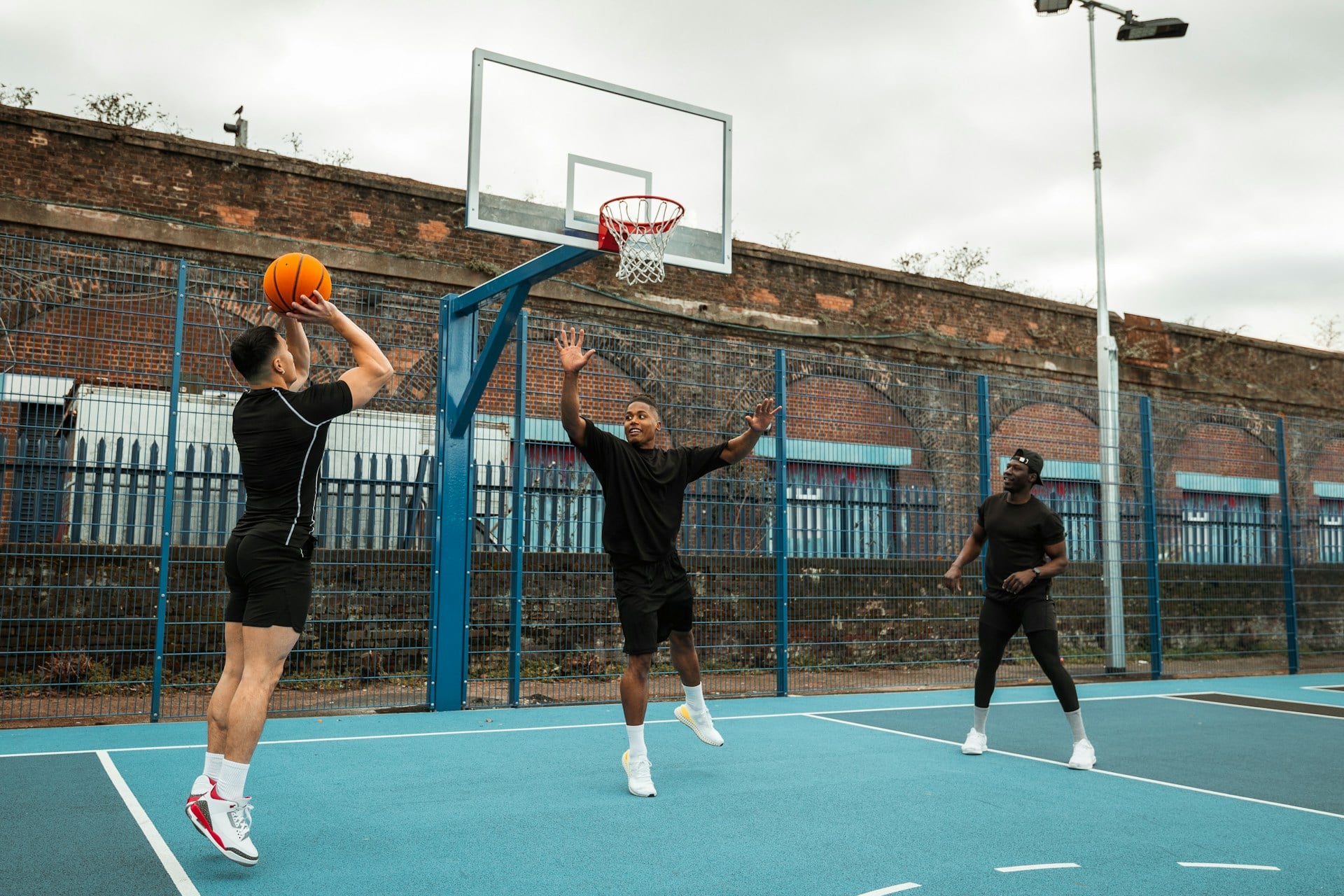
Keeping your hands safe during sports might not be the first thing on your mind, but it's super important. Think about how much we rely on our hands in sports—catching a football, hitting a baseball, or dribbling a basketball. Our hands are crucial in almost every athletic activity, and injuries can easily sideline you. Some common hand injuries athletes face include sprains, fractures, and tendonitis. Each of these injuries can affect your performance and disrupt your daily routine.
In sports, a Sports Medicine Doctor plays a crucial part in preventing these hand injuries. They help athletes maintain the health and functionality of their hands. By examining potential risks and offering protection strategies, these experts ensure that players are less likely to get hurt. This keeps athletes in the game and allows them to perform to the best of their abilities.
Understanding Common Hand Injuries in Sports
Athletes often find themselves dealing with several types of hand injuries. Let's explore a few common ones. A hand sprain occurs when the ligaments in the hand or wrist are stretched or torn, usually due to sudden movements or impacts. Fractures involve breaking or cracking of the hand or wrist bones, often arising from falls or direct blows during sports. Tendonitis is the inflammation of tendons, typically caused by repetitive motion, like swinging a racket or throwing a ball.
Different sports present unique challenges to hand safety. In soccer, goalkeepers risk sprains and fractures from catching fast-moving balls. Basketball players might deal with finger jams or wrist injuries from constant dribbling and shooting. Overuse injuries, such as tendonitis, are common for tennis players or swimmers where repetitive motions place stress on the tendons.
Ignoring these injuries can lead to more significant issues, severely affecting an athlete's performance. Pain can limit dexterity and strength, hindering the ability to participate effectively in sports. Untreated injuries might also lead to chronic pain and limited hand functionality. Ensuring prompt attention to any hand injury is crucial to maintaining peak athletic performance and avoiding long-term complications.
Protective Gear for Hand Safety
When it comes to safeguarding your hands during sports, the right gear can make a big difference. Various protective equipment options are available to help shield your hands from injury. Gloves, for instance, offer protection by providing a cushioned barrier between your hands and external impacts. They're particularly beneficial in sports like cycling or baseball, where grips and repetitive motions can strain your hands. Wrist braces and taping techniques also play a role, offering support and stabilizing joints during intense activities to prevent sprains and fractures.
Choosing the right protective gear is as important as wearing it. Consider the specific demands of your sport. For example, a basketball player might prioritize finger sleeves to guard against jamming, while a weightlifter focuses on padded gloves to reduce calluses and enhance grip. Here's a simple guide to selecting the right protective gear:
- Evaluate Your Sport: Different sports have unique requirements. For instance, soccer goalkeepers may opt for padded gloves for protection, while tennis players need wristbands for added wrist support.
- Check for Comfort and Fit: Gear should fit well without restricting movement. Ensure gloves or braces are snug but not tight.
- Prioritize Quality Materials: Look for durable materials that offer good protection without compromising flexibility.
By taking the time to select appropriate gear, athletes can reduce the risk of injury and enjoy their sports with more confidence and less worry.
Strengthening Exercises for Hand Safety
Strengthening your hands through specific exercises is another effective way to boost hand safety during sports. Not only do these exercises help build stronger muscles, but they also improve flexibility, making your hands more resilient against injury. Imagine improving your grip strength over time; it enhances your performance in weightlifting, tennis, or rock climbing.
Several exercises can be incorporated into your routine to build hand strength and flexibility. A few simple exercises to try include:
1. Finger Squeezes: Use a stress ball or hand gripper to perform sets of squeezing motions. This reinforces grip strength and can be done almost anywhere.
2. Wrist Curls: With a light dumbbell, perform wrist curls to target forearm and wrist muscles. Ensure slow, controlled movements for maximum benefit.
3. Finger Stretch: Spread your fingers wide and hold for a few seconds, then bring them back together. This increases flexibility and reduces the risk of strain from gripping activities.
Regularly practicing these exercises can play a significant role in preventing common injuries like sprains or tendonitis. It's an easy practice to incorporate into your warm-up routine or while watching TV.
Importance of Proper Technique and Training
Good technique is the backbone of injury prevention in sports, especially concerning hand safety. Proper methods ensure that you're using your hands efficiently, reducing unnecessary strain. For instance, when learning how to punch in boxing, accurate technique prevents wrist sprains and maximizes the impact of your hit.
Training under a skilled coach helps reinforce these techniques. Coaches offer valuable insights, correcting form and teaching effective practices specific to each sport. For example, a tennis coach might demonstrate the best way to hold a racket to minimize wrist strain while maximizing power in each stroke.
Here are some tips to maintain good form:
- Focus on Fundamentals: Always revisit the basic techniques, even if you're seasoned. It's easy to slip into bad habits over time.
- Warm-Up Properly: Engaging in dynamic stretches and hand movements prepares your hands for the rigors of sports.
- Analyze Your Performance: Reviewing videos of your performance can highlight areas where technique might be compromised, allowing for tactical improvements.
By emphasizing proper technique and training, athletes have the opportunity to play not only more safely but also more effectively, enhancing their sports performance without the nagging interruptions of injuries.
Closing Thoughts on Safeguarding Your Hands
Safeguarding your hands is an investment in yourself as an athlete. Strong, well-protected hands allow for better performance while keeping you in the game longer without the disruption of injuries. Taking proactive steps to protect your hands is essential, from selecting the right gear and performing strengthening exercises to practicing proper techniques under experienced guidance. These measures foster a safer playing environment and empower you to excel in your sport with confidence.
Additionally, staying informed and aware of how to care for your hands prepares you to tackle the demands of your sport effectively. Remember, every preventive step you take today could mean fewer injuries and more time doing what you love. So, gear up, practice mindfully, and embrace the balance of performance and protection in your sports journey.
For those in Boise looking to prevent hand injuries and enhance their performance, consulting with a knowledgeable sports medicine doctor at ISMI can provide the expert guidance you need. Our team offers personalized care to keep you active, strong, and injury-free.