
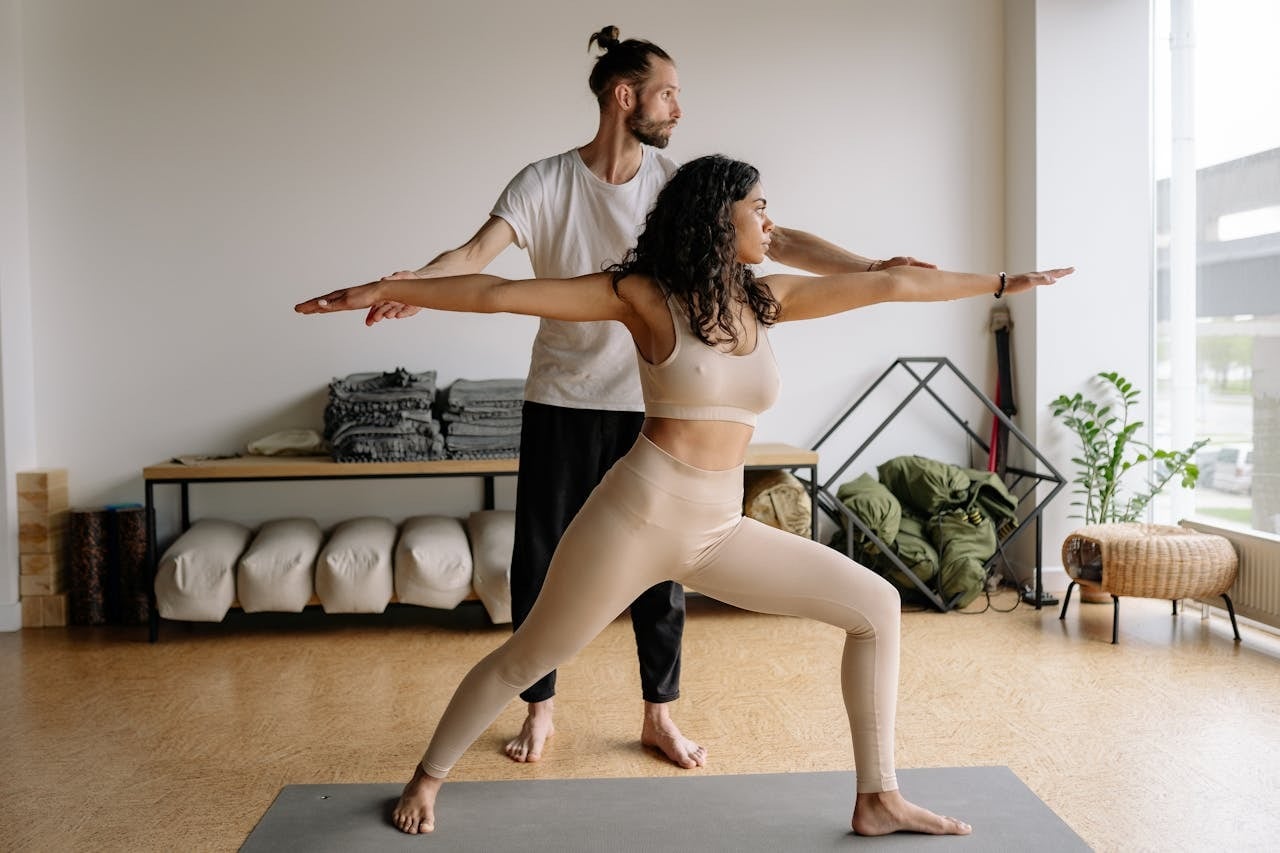
Starting with physical therapy exercises at home can be a great way to recover from an injury or surgery, and improve your overall strength and flexibility. Whether you are dealing with a sports injury or just trying to stay active, home physical therapy provides a convenient way to work on your healing process. Plus, it allows you to take control of your own recovery, right in the comfort of your home.
Before jumping into exercises, it’s important to understand the basics. Knowing what physical therapy entails and why it’s beneficial can help you approach your exercises with the right mindset. Physical therapy exercises are designed to restore movement and function. They help reduce pain, increase strength, and prevent future injuries.
Having the right equipment and knowing which exercises to start with can make a big difference in your therapy. Using basic items like resistance bands, a mat, and small weights can help you get the most out of your workouts. Following a step-by-step guide ensures you perform each exercise correctly and safely, maximizing their benefits.
Understanding the Basics of Physical Therapy at Home
Physical therapy at home is a proactive way to address pain, improve mobility, and strengthen muscles without needing to visit a clinic frequently. Home-based exercises allow you to work on your recovery in a comfortable, familiar environment. It’s also flexible to fit into your schedule, making it easier to stay consistent with your rehabilitation.
The key to successful home physical therapy is understanding its core purpose: restoring function and reducing pain. Whether you’re recovering from surgery, an injury, or managing a chronic condition, physical therapy exercises are designed to target specific areas of your body that need improvement. Your healthcare provider or physical therapist will often give you a tailored plan based on your unique needs.
Start slow and listen to your body. It’s important to perform each exercise correctly to avoid further injury. If you feel unusual pain or discomfort, stop and consult your physical therapist. Consistency is crucial, so try to make physical therapy a part of your daily routine. Even short, regular sessions can yield significant benefits over time.
Essential Equipment for Home Physical Therapy
Having the right equipment can enhance your home physical therapy routine. You don’t need a lot of expensive gear to get started. Here are some basic items that can help you perform various exercises effectively:
1. Exercise Mat: A non-slip mat provides a comfortable and safe surface for floor exercises. It cushions your joints and prevents slipping.
2. Resistance Bands: These elastic bands come in different strengths and are great for strength training exercises. They’re lightweight and portable, making them ideal for home use.
3. Light Weights: Small dumbbells or ankle weights can add resistance to your exercises. Start with lighter weights and gradually increase as you gain strength.
4. Foam Roller: A foam roller can help with muscle recovery and flexibility. It aids in relieving muscle tension and improving blood flow.
5. Stability Ball: Also known as a Swiss ball, this equipment is useful for core strengthening and balance exercises. It can also be used for stretching routines.
6. Chair: A sturdy chair can support various seated exercises, especially if you’re working on improving leg strength or balance.
Investing in these basic tools can make your physical therapy sessions more effective and enjoyable. Always ensure that the equipment you use is in good condition and suitable for your specific exercises. If you’re unsure about how to use any equipment, consult your physical therapist for guidance.
Step-by-Step Guide to Simple Exercises
Starting with simple exercises can help you ease into physical therapy without feeling overwhelmed. Here are some basic exercises you can do at home to improve your strength and flexibility:
1. Ankle Pumps: Sit or lie down with your legs stretched out. Move your ankles up and down, like you are pressing a gas pedal. This exercise helps improve blood flow and reduce swelling.
2. Heel Slides: Lie on your back with your legs straight. Slowly slide one heel up towards your buttocks, keeping your foot on the floor. Slide it back down and repeat with the other leg. This exercise helps with knee mobility and flexibility.
3. Mini Squats: Stand with your feet shoulder-width apart. Bend your knees slightly, keeping your back straight. Hold for a few seconds and straighten up again. This helps strengthen your thigh muscles without putting too much strain on your knees.
4. Arm Raises: Sit or stand with your arms at your sides. Slowly raise both arms to shoulder height and lower them back down. This exercise helps improve shoulder flexibility and strength.
5. Seated Marching: Sit in a sturdy chair. Lift one knee as high as you can, then lower it and lift the other knee. This works your hip and thigh muscles while improving balance and coordination.
Perform each exercise slowly and carefully, focusing on proper form. Aim for 10-15 repetitions of each exercise, and gradually increase as you become stronger and more comfortable.
How to Track Progress and Stay Motivated
Keeping track of your progress and staying motivated are crucial for success in home physical therapy. Here are some tips to help you stay on track:
1. Set Clear Goals: Break down your recovery into small, achievable goals. This gives you something to work towards and helps measure your progress. Whether it’s increasing repetitions or improving flexibility, having goals keeps you focused.
2. Maintain a Workout Log: Write down the exercises you do each day, the number of repetitions, and how you feel. A workout log helps you track improvements over time and see how far you’ve come.
3. Celebrate Milestones: Take time to celebrate small victories. It could be as simple as completing an extra repetition or feeling less pain during an exercise. Recognizing achievements boosts your motivation.
4. Incorporate Variety: Mix up your exercises to keep your routine interesting. Adding variety prevents boredom and helps work different muscle groups for a more balanced recovery.
5. Stay Positive: Keep a positive mindset. Recovery can be challenging, but maintaining an optimistic outlook helps you stay committed. Remind yourself of your progress and the benefits of physical therapy.
6. Seek Support: Share your journey with friends or family. Their encouragement can be a powerful motivator. If possible, connect with others who are also going through physical therapy for mutual support.
Tracking your progress and staying motivated are essential for a successful recovery. By setting goals, maintaining a log, celebrating milestones, and staying positive, you can make significant strides in your recovery journey.
Conclusion
Physical therapy exercises at home provide a practical and effective way to recover from injuries and improve overall strength and flexibility. Understanding the basics, having the right equipment, and following a detailed exercise plan can set you on the right path. Tracking your progress and staying motivated play crucial roles in your success. Each step, no matter how small, brings you closer to your goal.
Whether you’re an elite athlete or an active Idahoan, your journey to recovery is unique. Embrace the process and take each day as it comes. With determination and the right guidance, you can achieve your recovery goals.
If you need expert advice tailored to your specific needs, ISMI is here to help. Contact ISMI today to schedule a consultation for a physical therapy in Boise and take the next step in your journey to recovery with confidence.