
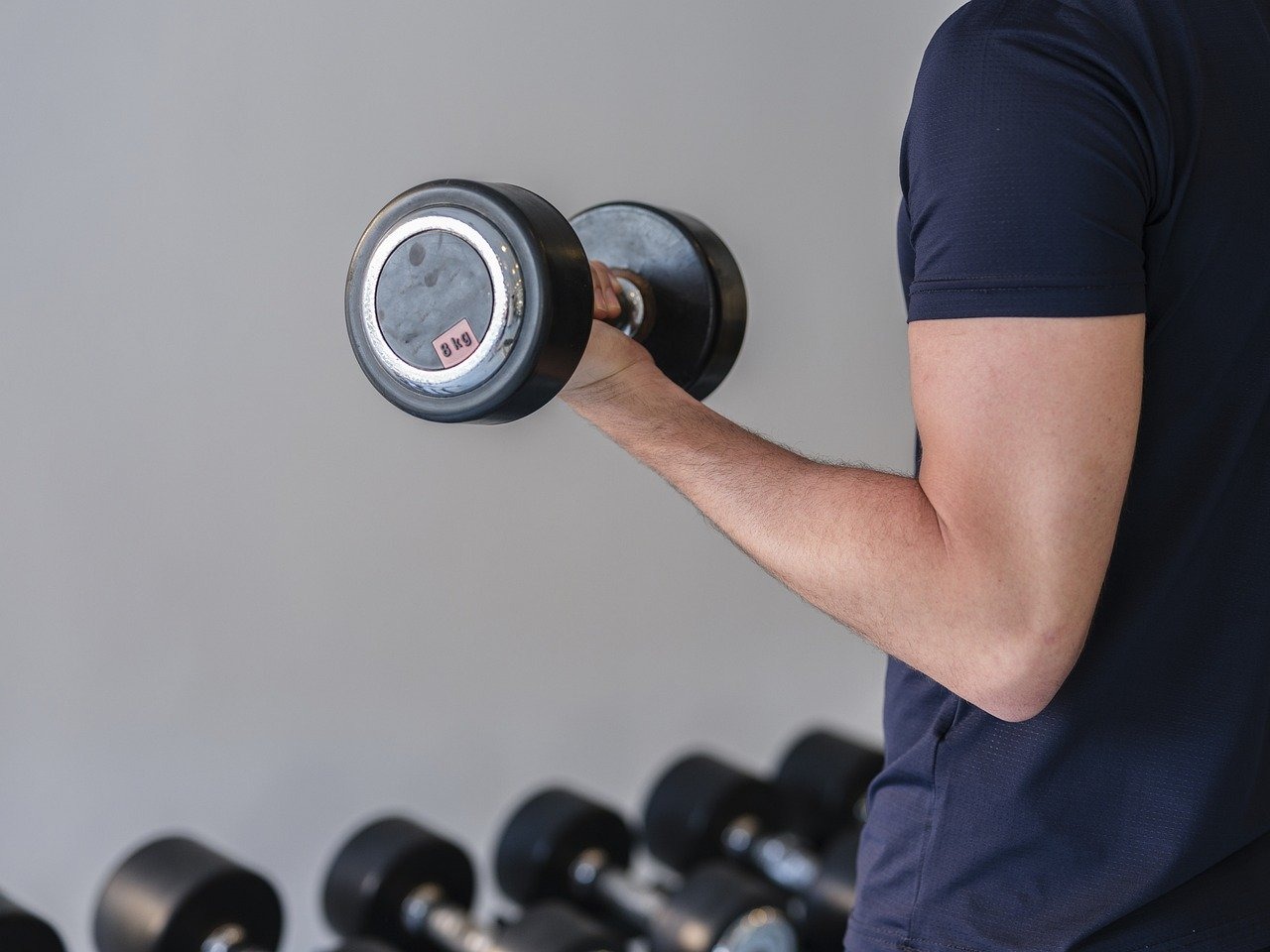
Working out is great for building strength and keeping fit, but what you do after exercising is just as important. Muscle recovery is a key part of staying healthy and making progress in your fitness journey. Understanding why muscle recovery matters can help you avoid injuries, reduce soreness, and improve your overall performance.
When you exercise, your muscles go through a lot of stress. Tiny tears form in the muscle fibers, which need time to heal and grow stronger. This healing process is muscle recovery, and it’s essential for building strength and endurance. Skipping or rushing through recovery can lead to more harm than good, making your workouts less effective and risking injury.
Proper muscle recovery includes a mix of rest, nutrition, and specific techniques to help your muscles repair and grow. Everyone’s needs are different, so it’s important to find what works best for you. Whether you’re an elite athlete or just love staying active, giving your muscles the attention they deserve after a workout can make all the difference. Let’s dive into why muscle recovery is so important and how you can make the most of it.
The Science Behind Muscle Recovery
Muscle recovery is the process where your muscles repair themselves after being stressed by exercise. When you work out, especially with resistance training like weight lifting, tiny tears form in the muscle fibers. This might sound bad, but it’s actually a crucial part of getting stronger. Your body repairs these tears, building the muscles back bigger and stronger than before.
This process involves several steps. First, inflammation occurs to remove damaged cells and begin the healing process. Next, satellite cells, which are specialized cells in your muscles, activate and multiply. They merge with the muscle fibers, repairing the tears and helping the muscles grow. Lastly, proteins and other nutrients are used to build new muscle tissue.
Proper blood flow is essential for muscle recovery. It helps deliver oxygen and nutrients to the repairing muscles. This is why strategies like stretching, hydration, and massage can help with recovery. Your hormonal balance also plays a role. Hormones like growth hormone and testosterone are crucial for muscle repair and growth. Understanding this process helps you appreciate why dedicated recovery time is so important.
Benefits of Proper Muscle Recovery
Taking the time to let your muscles recover after workouts has many benefits. First, it helps to reduce muscle soreness. After a tough workout, you might feel sore for a day or two. This is known as delayed onset muscle soreness (DOMS). Proper recovery techniques, like stretching and using foam rollers, can help lessen this soreness and get you moving comfortably again.
Another major benefit is injury prevention. When you don’t give your muscles the chance to heal, you risk getting hurt. Overworked muscles are more likely to tear or strain, which can take you out of your fitness routine for weeks or even months. By focusing on recovery, you allow your muscles to heal fully, making them stronger and less prone to injury.
Enhancing your performance is another key benefit. Muscles that are well-rested and fully recovered perform better. This means you can lift more, run faster, and achieve more in your workouts. Recovery also helps improve your endurance, letting you train longer and harder over time.
Finally, proper muscle recovery can positively impact your overall well-being. It helps improve your sleep, reduce stress levels, and support a healthy immune system. In short, making muscle recovery a priority boosts both your fitness and your overall health, letting you enjoy a more active and pain-free life.
Common Techniques for Muscle Recovery
There are many ways to help your muscles recover after a workout. Here are some of the most effective techniques:
1. Hydration: Drinking plenty of water is crucial. Water helps flush out toxins from your muscles and keeps them hydrated, which aids in recovery.
2. Stretching: Gentle stretching after a workout can help reduce muscle stiffness and improve flexibility. Stretching helps your muscles relax and return to their normal length.
3. Rest: Giving your muscles time to rest is one of the best things you can do. Sleep is especially important because your body repairs itself during deep sleep. Aim for at least 7-9 hours of sleep each night.
4. Nutrition: Eating a balanced diet rich in proteins, carbohydrates, and healthy fats supports muscle recovery. Protein shakes or snacks right after your workout can provide the nutrients your muscles need to heal and grow.
5. Massage: Massages can help increase blood flow to your muscles, speeding up the recovery process. Foam rollers can also be used to massage sore muscles and release tension.
6. Ice and Heat Therapy: Using ice packs can help reduce swelling and numb pain after intense workouts. Heat packs can relax and loosen tissues and stimulate blood flow to the area.
Finding the right combination of these techniques can make a big difference in how quickly and effectively your muscles recover.
Signs You Need Better Muscle Recovery Strategies
Sometimes, it’s clear that you need to improve your muscle recovery routine. Here are some signs that you might need better muscle recovery strategies:
1. Persistent Soreness: If you’re always sore, even after days of rest, it might mean your muscles aren’t healing properly. This can limit your ability to perform well and even lead to injuries.
2. Reduced Performance: Noticing that your strength, speed, or endurance isn’t improving or is getting worse? This could be a sign that your muscles aren’t getting the recovery they need to rebuild and grow.
3. Increased Injuries: Frequent injuries, like muscle strains or joint pain, can be a red flag. Overworked muscles are more susceptible to damage, and without proper recovery, small issues can turn into serious problems.
4. Fatigue: Feeling constantly tired and having low energy can indicate that your body is overworked and hasn’t had the chance to recover. Proper rest and recovery are crucial for keeping your energy levels high.
5. Poor Sleep: Recovery isn’t just about what you do during the day. If you’re having trouble sleeping, it can affect how well your muscles repair themselves. Good sleep hygiene is a key part of muscle recovery.
Addressing these signs promptly can help you avoid bigger problems down the road and keep your fitness journey on track.
Conclusion
Understanding the importance of muscle recovery after workouts is crucial for anyone serious about their fitness goals. Whether you’re aiming to build strength, increase endurance, or simply stay active without pain, giving your muscles the time and care they need is key. From improving performance to preventing injuries, the benefits are clear. By incorporating proper hydration, stretching, rest, nutrition, and therapeutic techniques into your routine, you can ensure that your muscles recover efficiently and effectively.
Recognizing the signs that you need better recovery strategies can also help you make the necessary adjustments before problems arise. Persistent soreness, reduced performance, frequent injuries, fatigue, and poor sleep are all indicators that your recovery routine may need some tweaking.
If you need help developing a muscle recovery plan tailored to your needs, or if you’re experiencing any of the signs mentioned, reach out to ISMI to request our physical therapy services. Our team of experts in Boise is here to support your fitness journey and keep you performing at your best. Contact ISMI today to schedule a consultation and maximize your muscle recovery.