
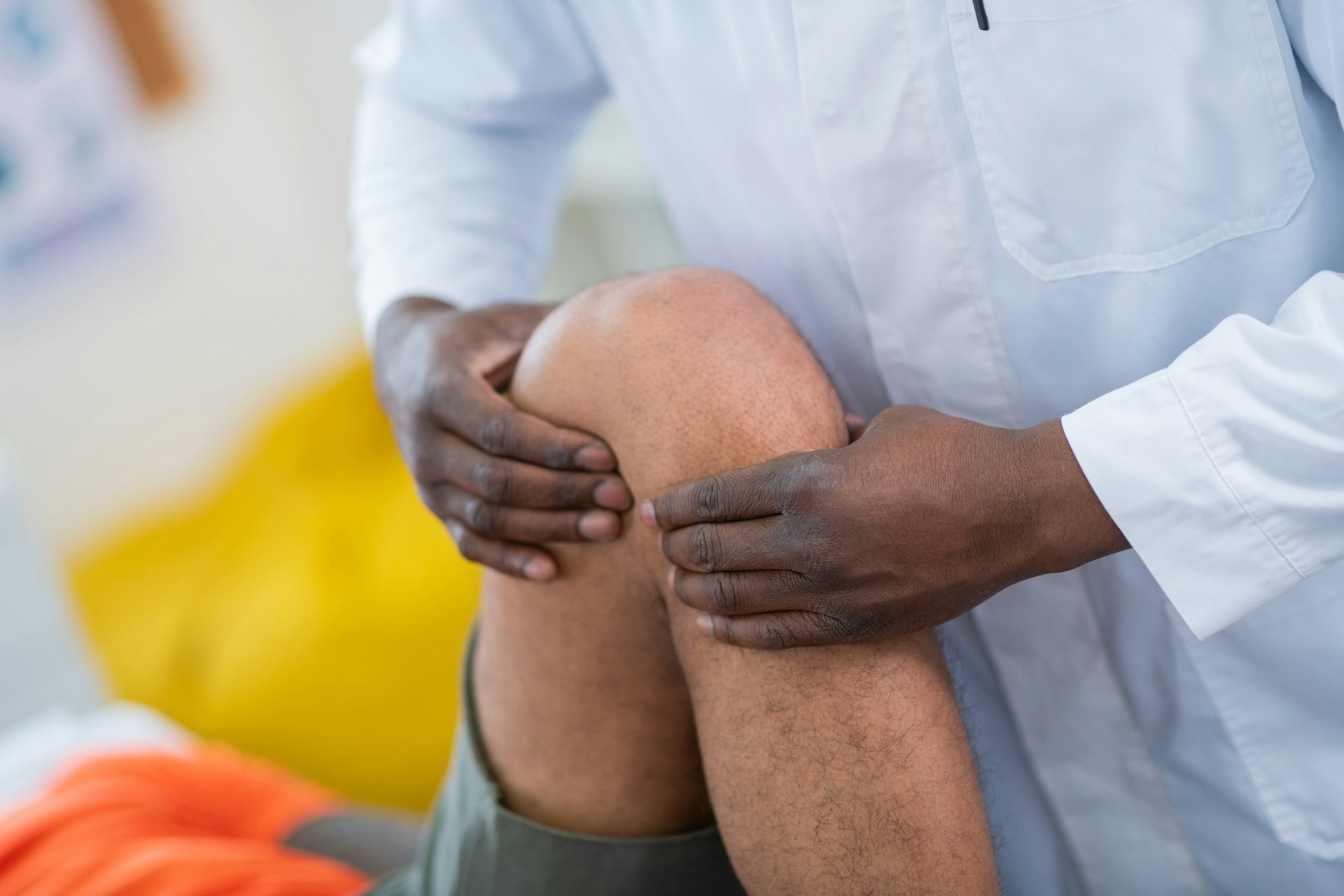
Recognizing the early signs of common sports injuries is vital for staying active and healthy. Early detection can make a significant difference in treatment and recovery, allowing us to get back to the activities we love faster and with fewer complications. Whether we’re elite athletes or weekend warriors, understanding the warning signs can help prevent minor issues from becoming major setbacks.
Ignoring early symptoms can lead to more serious injuries, longer recovery times, and even chronic problems. It’s easy to dismiss a small ache or a bit of discomfort, but these can be early indicators of something more serious. By paying attention to our bodies and acknowledging these early signs, we can take proactive steps to address potential issues before they worsen.
Awareness and education are key components in injury prevention. Knowing what to look for and how to respond can keep us on track with our fitness goals and reduce downtime due to injuries. In the following sections, we’ll explore the importance of early detection, identify common sports injuries and their early signs, and discuss preventive measures to help maintain our active lifestyles.
Understanding the Importance of Early Detection
Detecting sports injuries early is crucial for effective treatment and prevention of further damage. When we catch an injury in its initial stages, we can manage it more easily and reduce the risk of it becoming a chronic issue. Early detection also means we can adjust our activities to avoid worsening the injury, allowing our bodies the time they need to heal.
One key benefit of early detection is minimizing downtime. Waiting too long to address an injury can lead to more extensive damage, requiring longer recovery periods. This can disrupt our training schedules and affect our overall fitness levels. By recognizing and addressing early signs, we can maintain our activity levels and get back to our routines more quickly.
Another important aspect is the prevention of compensatory injuries. When we ignore pain or discomfort, we might subconsciously adjust our movements to avoid it, putting extra strain on other parts of our body. This can lead to additional injuries in areas that were previously healthy. Early intervention helps us avoid these compensatory patterns, ensuring our entire body remains in good condition.
Common Sports Injuries and Their Early Signs
Understanding the early signs of common sports injuries helps us take action before they become serious. Here are some injuries to be aware of and their warning signs:
- Sprains and Strains: Initial symptoms can include mild pain, swelling, and tenderness around the affected joint or muscle. If we notice limited range of motion or slight discomfort during activities, it might be the start of a sprain or strain.
- Shin Splints: Early signs often include a dull ache along the front or inside of the lower leg. This pain might be more pronounced during or after physical activity. Ignoring these symptoms can lead to more severe issues like stress fractures.
- Tendonitis: This injury typically starts with a mild pain or ache around the affected tendon, often accompanied by stiffness, especially in the morning or after periods of rest. Pain may increase with movement or activity.
- Stress Fractures: Look out for pain that develops gradually and worsens with weight-bearing activities. The pain is often localized and improves with rest but returns with activity.
- Runner’s Knee: Early indicators include mild pain around the kneecap, especially when bending the knee, squatting, or walking downstairs. Swelling and a feeling of instability might also be present.
Recognizing these early signs allows us to modify our activities and seek appropriate treatment. Paying attention to pain, swelling, and changes in mobility can help us catch injuries early and prevent them from worsening.
Preventive Measures to Reduce Injury Risk
Preventing sports injuries begins with good habits and proper care. Knowing how to protect ourselves can go a long way in keeping us healthy and active. Here are some effective preventative measures:
- Warm-Up and Cool Down: Always start with a proper warm-up to prepare our muscles and joints for activity. This increases blood flow and flexibility, reducing the risk of injury. Similarly, cooling down helps to gradually lower our heart rate and stretch out the muscles we used during activity, which can prevent stiffness and soreness.
- Strength Training: Building strength in specific muscle groups helps support our joints and improves overall stability. This can include exercises targeting the core, legs, and upper body. Strong muscles help absorb the impact of physical activity, reducing the strain on our joints.
- Proper Equipment: Use the right gear for our sport, including footwear that provides adequate support and cushioning. Protective equipment like braces or pads can also help prevent injuries by offering additional stability and protection.
- Rest and Recovery: Giving our bodies time to rest and recover is essential. Overtraining can lead to fatigue and make us more prone to injuries. Incorporating rest days into our routine and getting enough sleep helps our bodies heal and stay strong.
When to Seek Professional Help
Knowing when to seek professional help is crucial for proper injury management. While some issues can be handled at home, others require expert attention to ensure they heal correctly. Here are signs that it’s time to consult a professional:
- Persistent Pain: If pain persists beyond a few days or worsens with activity, it’s a clear sign that we need professional evaluation. Persistent pain can indicate a more serious underlying issue that needs specific treatment.
- Swelling and Bruising: Significant swelling or bruising around a joint or muscle often suggests a more severe injury. Professional assessment can determine the extent of the damage and the best course of action.
- Loss of Function: If we experience difficulty moving a joint or muscle, or if our strength has diminished, it’s essential to get professional help. Loss of function can indicate major injuries such as ligament tears or fractures.
- Instability: Feeling that a joint is giving way or unable to support weight means we should seek professional advice. Instability often points to ligament or tendon injuries that need targeted treatment.
Ignoring these signs can lead to more severe problems and longer recovery times. Early intervention by a sports medicine professional can ensure we receive proper care and minimize long-term effects.
Conclusion
Understanding and recognizing the early signs of common sports injuries empower us to take proactive steps in maintaining our health and fitness. By paying close attention to our bodies, we can identify potential issues before they escalate, ensuring that we stay on top of our game.
Implementing preventive measures, such as warming up, strength training, and using proper equipment, is essential in reducing our risk of injury. These steps help to prepare our bodies for the demands of physical activity and keep us safe.
Knowing when to seek professional help is equally important. Addressing persistent pain, swelling, loss of function, or instability promptly can prevent injuries from worsening and lead to a faster recovery. At ISMI, our team of experts is here to support you with personalized care and comprehensive treatment options. If you’re experiencing any of these signs or need guidance on injury prevention, reach out to our sports physiotherapist today. Your health and safety are our top priority.