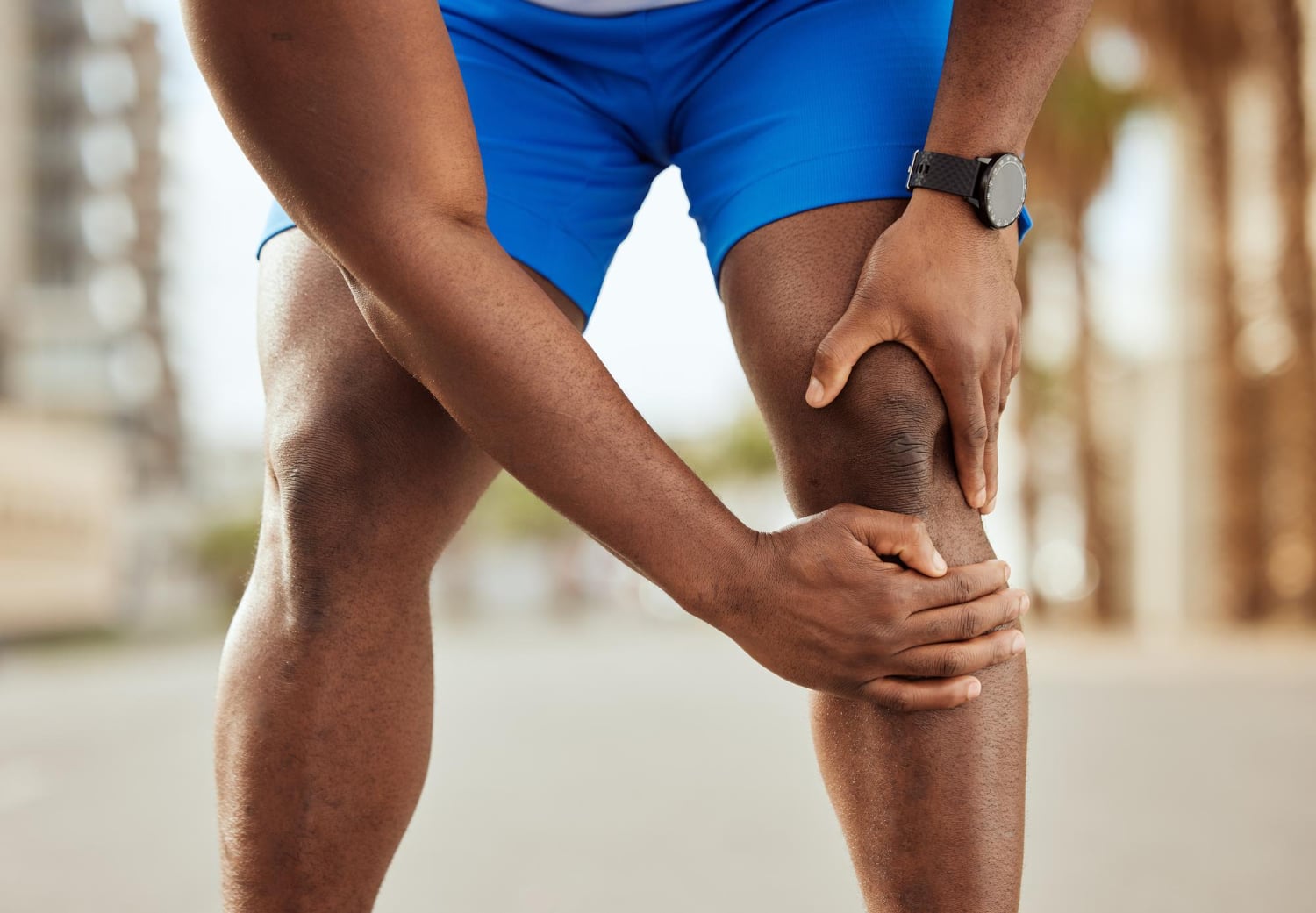
As sports medicine specialists dedicated to the well-being of athletes in Boise, we understand that maintaining healthy joints is not just about managing pain—it’s about preserving your ability to perform at your best for as long as possible. Joint health is crucial for athletes of all levels, particularly for those who engage in sports over many years. Degradation or injury of joints can significantly limit performance, lead to pain, and even necessitate surgical interventions.
Joints form the pivot points of our bodies and are susceptible to wear and tear, not just from aging but from consistent, intense use. Athletes, who repeatedly put stress on their joints through training and competition, need to adopt a comprehensive approach to joint care to prevent debilitating conditions that could sideline them or end their careers prematurely. A proactive approach towards maintaining joint integrity involves a multifaceted focus on daily exercises, proper nutrition, and thoughtful lifestyle modifications.
We are here to guide you through the necessary steps to keep your joints healthy, drawing on our extensive expertise in orthopedic care, sports medicine, and physical therapy. Whether you are starting out in your athletic career or are looking to extend it, prioritizing joint health is essential. Join us as we explore practical strategies that include effective exercises to strengthen the joints, nutrition that supports cartilage health, and lifestyle changes that can decrease the risk of joint injuries. By integrating these practices, athletes can look forward to a longer, more fulfilling sporting life.
Understanding Joint Health: Why It’s Crucial for Long-Term Athletes
Joint health is the cornerstone of a long and productive athletic career. Our bodies are equipped with several joints that allow for mobility and the ability to perform various physical activities. For athletes, maintaining these joints in optimal condition isn’t merely about avoiding discomfort; it’s about ensuring a prolonged, effective participation in sports. Joints impacted by stress and strain without proper care can lead to conditions like arthritis, tendinitis, and bursitis. These issues not only cause pain but can also significantly impair an athlete’s ability to perform and may even lead to longer-term health consequences.
At ISMI, our understanding of joint health is deep-rooted in our daily practice. We witness how common joint problems can become among athletes who engage repetitively in high-impact sports without adequate preventive measures. Therefore, we emphasize the necessity of incorporating regular assessments and appropriate interventions to preserve joint health. By fostering awareness and providing the right tools and knowledge, we help athletes understand their bodies better and equip them for the demands of their sports.
Daily Exercises to Strengthen Joints
Incorporating daily exercises specifically aimed at strengthening joints is crucial for athletes. These exercises not only enhance joint strength but also improve flexibility, stability, and overall physical resilience. Here are some recommended exercises to help fortify your joints:
- Low-Impact Aerobics: Engage in activities like swimming, cycling, or using an elliptical machine. These exercises boost cardiovascular health with minimal stress on your joints.
- Strength Training: Utilize weights or resistance bands for exercises like leg presses, squats, and lunges. These movements help build the muscles around your joints, providing better support and reducing the burden on the joints themselves.
- Flexibility Routines: Incorporate daily stretching or yoga routines to improve flexibility. Enhanced flexibility helps maintain the range of motion in your joints and reduces the risk of injuries.
We at ISMI encourage you to integrate these exercises into your daily routine. By doing so, you not only strengthen your joints but also contribute significantly to your overall athletic performance. Regular practice of these exercises can mitigate the risk of joint-related issues and aid in your journey towards a more robust athletic career.
Nutritional Support for Healthy Joints
Maintaining joint health extends beyond physical exercises; it also involves what we fuel our bodies with. Nutrition plays a pivotal role in ensuring our joints function optimally and can withstand the wear and tear of athletic activities. For athletes looking to preserve their joint health, incorporating specific nutrients into their diet is crucial. Foods rich in omega-3 fatty acids, such as salmon, flaxseeds, and walnuts, are known for their anti-inflammatory properties, which are essential in reducing joint pain and swelling. Calcium, found in dairy products, fortified plant milks, and leafy greens, helps strengthen bones, thereby supporting joint structures. Additionally, vitamin D, which can be absorbed through sunlight exposure and from foods like egg yolks and fatty fish, aids in calcium absorption and also plays a role in maintaining bone and joint health.
We encourage athletes to consciously include these nutrients in their daily diet to support their joints. A well-balanced diet rich in these key nutrients will not only help protect your joints but also enhance your overall health and athletic performance. By prioritizing your nutrition, you take an important step toward long-term joint health and resilience in your sporting career.
Lifestyle Modifications to Prevent Joint Problems
Adopting lifestyle modifications is an integral part of preserving joint health and ensuring a long and robust athletic life. We understand the challenges that come with an active lifestyle, and incorporating specific changes can significantly benefit joint health. Maintaining a healthy weight is paramount; excess body weight can increase stress on the joints, leading to accelerated wear and potentially severe joint issues. Engaging in a balanced exercise regimen that does not overstrain the joints is also crucial. Equally important is allowing adequate time for rest and recovery—overtraining or insufficient rest can lead to joint injuries and other health problems.
Furthermore, it’s essential for athletes to listen to their bodies and avoid repetitive motion activities that put excessive strain on particular joints. Alternate your routines and incorporate varied types of training to ensure all your body’s joints are evenly conditioned and not overburdened. By making these adjustments, athletes can better manage their joint health, which will contribute to a sustainable athletic performance.
Conclusion
At ISMI, we are dedicated to promoting sustainable athletic practices and optimizing joint health through comprehensive sports medicine and physical therapy strategies. By embracing proper exercise techniques, nutritional habits, and lifestyle adjustments, athletes can significantly enhance their joint health and extend their athletic performance. Remember, taking proactive steps towards maintaining joint health is not just about avoiding injuries; it’s about empowering yourself to enjoy a longer, more active life.
If you’re looking to advance your approach to joint health or need personalized guidance on your athletic health strategy, reach out to our physical therapist in Boise at ISMI. Let us help you achieve your highest athletic potential with a strong, healthy body that’s ready for any challenge.