Physical therapy services in Boise support an active lifestyle that doesn’t slow down, even in the colder months. Whether you’re recovering from an injury or noticing that your body feels less flexible after a winter indoors, spring is a smart time to check in with how you’re moving. As you gear up for more biking, running, or hiking, it helps to work with someone who understands how those seasonal shifts affect your joints, muscles, and coordination.
Physical therapy isn’t just about injury recovery. It can help refine the way you move, strengthen areas of weakness, and prepare you for the spring activities ahead. With many Boise residents already training for races or planning outdoor adventures, now is a good time to figure out what kind of support your body might need.
Understanding When PT Might Be the Right Step
It’s common for pain and stiffness to build slowly, especially when activity levels change. You might brush it off as post-workout tightness or getting older, but some signs shouldn’t be ignored.
- Lingering discomfort that doesn’t fade after a few days may need more than rest
- Reduced range of motion or trouble completing basic movements might point to joint limitations
- Dips in performance, like slower runs or reduced reps, could signal an issue with movement patterns
Late winter often brings a shift from mostly indoor workouts to more time outside. That change alone can place new stress on the body. Snow-packed trails turn to mud, treadmills are traded for pavement, and your stride or footing changes. Muscles, tendons, and ligaments notice those shifts quickly.
Physical therapy can help determine whether what you’re feeling is a passing issue or something tied to how your body moves. That insight allows you to move forward with the right type of plan, one that doesn’t just ease the pain but improves how you function overall.
Different Types of Physical Therapy Approaches
Not all physical therapy follows the same path. Where we start depends on your needs, activity level, and what’s been happening in your body over time.
- Sports rehabilitation often centers on joint stability, sport-specific movement, and restoring balance after injury
- General recovery plans may focus more on pain relief, flexibility, and retraining your body to move without strain
- If you’ve had surgery, early sessions usually include controlled exercises to protect healing areas and build function gradually
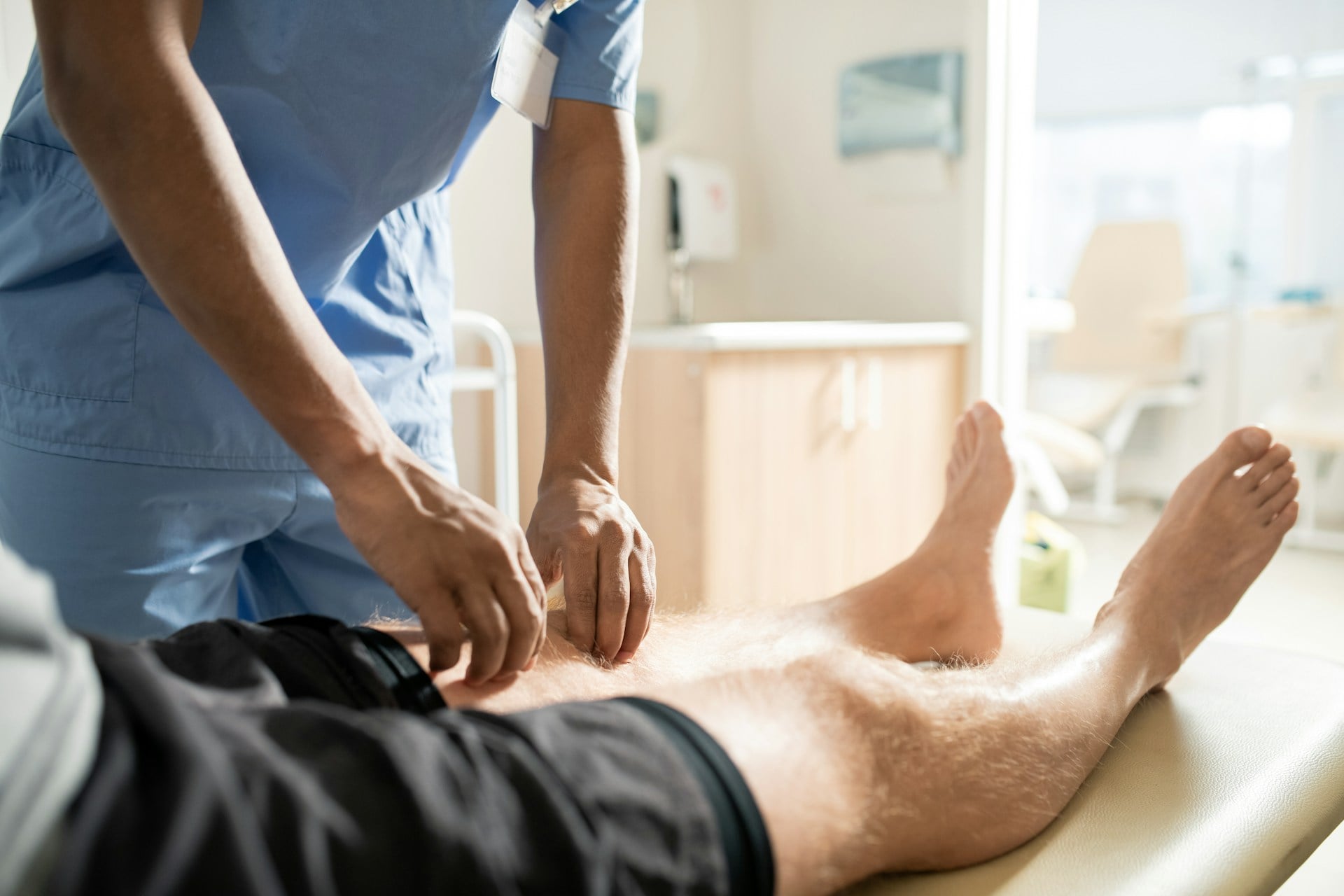
For some people, physical therapy begins with hands-on care such as soft tissue work or joint mobilization. Others may benefit more from focused strength exercises and motion drills that help the body relearn how to work together. In both cases, the goal is always to support your return to movement, without rushing your body or skipping the foundation.
At ISMI, our approach includes advanced biomechanical evaluations and evidence-based rehabilitation for a customized recovery plan, whether you need post-surgical care or solutions for a chronic injury.
What to Expect During Your First Few Visits
Once you’ve made the decision to start, your first visit will likely include a full-body look at how you move.
- We often run through posture checks, balance testing, and mobility screens
- These tests aren’t meant to challenge you but to show how your body behaves during movement
- We’ll talk through pain levels, use patterns, previous injuries, and goals
Your training or activity background helps guide this process. If you’ve been lifting through the winter, skiing on weekends, or taking classes, let your physical therapist know. That info helps shape a plan that fits your habits and prepares your body for what’s next.
Goal setting often starts here too, so this isn’t about treating symptoms and sending you home. It’s about creating a step-by-step plan that gets you moving again in a way that feels natural, not forced.
Choosing a Program That Fits Your Lifestyle
Everyone’s activity level is different. For some, spring training means getting ready for race season. For others, it might mean finally returning to the greenbelt for jogs or long dog walks. Either way, your physical therapy plan should match your goals, not someone else’s.
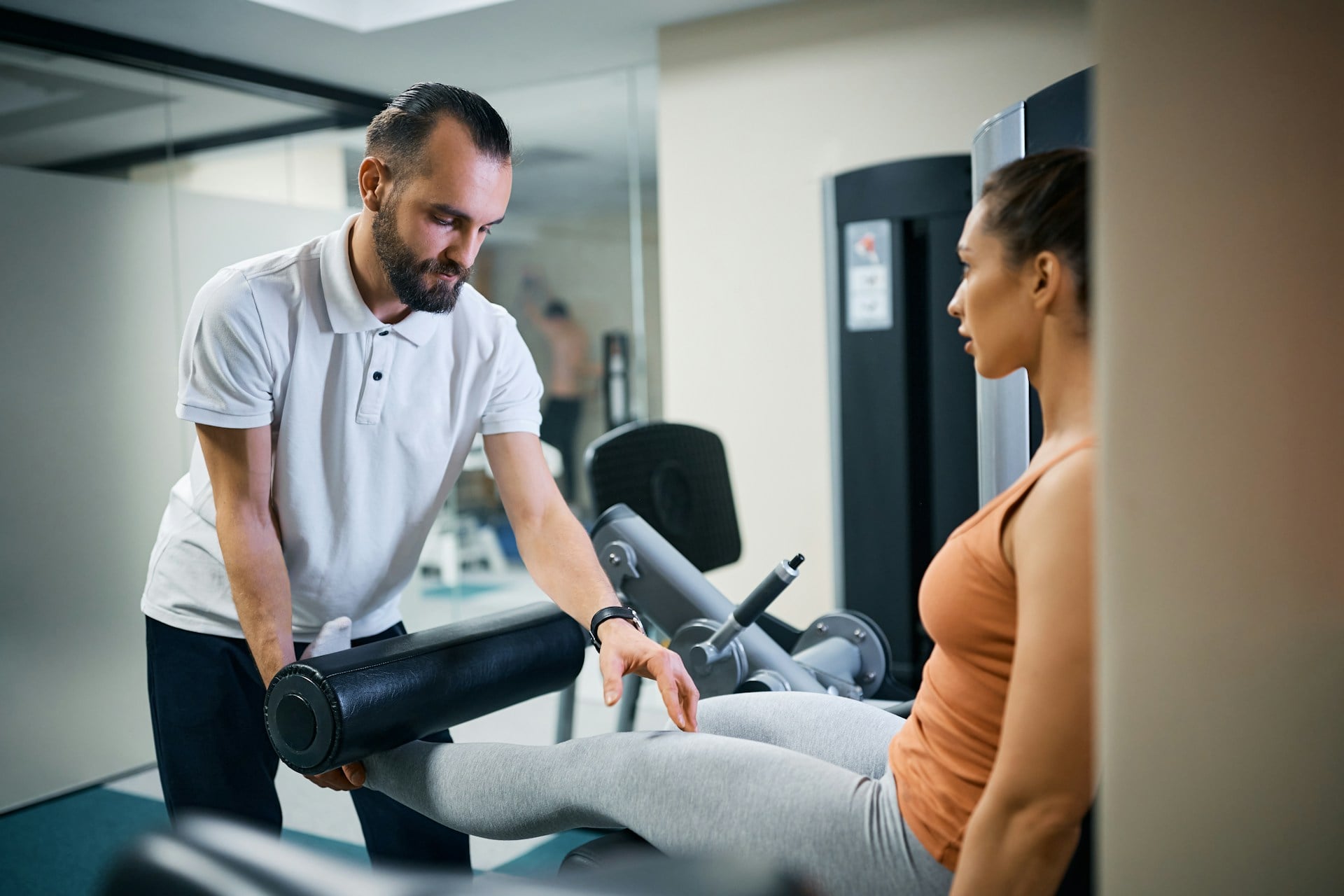
- Let’s say you’re a weekend hiker working back from knee soreness. Your plan may include balance drills and glute work
- If you’ve taken time off from CrossFit or weight training, we might build up joint stability and gradually reintroduce heavier loads
- If your schedule only allows for recovery work twice a week, we’ll make those visits count and provide ideas to keep moving at home
Consistency matters more than perfection with recovery. In Boise, spring weather can swing from sunny to cold fast, so it helps to have a routine that holds up through that unpredictability.
ISMI’s physical therapy services include patient education and home exercise programming, helping keep you on track no matter your active routine or schedule.
Keeping Progress as Spring Builds Momentum
This time of year, it’s common to feel more stiff than strong. Your body is slowly switching gears. Transitioning from indoor routines or winter sports to trail running and biking may reveal limitations in your stride, hip control, or ankle mobility.
Physical therapy can help handle that shift. Sessions can tune up joint mechanics, ease off tight areas, and fill in strength gaps that affect how efficiently you move. That’s especially important for those looking toward spring competitions or endurance events.
Here are a few ways therapy can keep you on track:
- Targeted movement drills to prep for outdoor workouts
- Hip and core control work for runners ramping up weekly mileage
- At-home homework to continue progress between in-person visits
When therapy connects with your actual movement goals, you’re more likely to stay consistent, which makes your outcomes better and your spring workouts feel smoother.
Building Confidence in How You Move
When your body feels stiff or unreliable, it’s hard to enjoy being active. That’s why early spring is such an important time to reconnect with your movement. This is when preparation pays off.
Physical therapy gives you a look at how your body functions under real-world demands, not just when sitting still. That understanding helps reshape how you warm up, how you train, and how you recover. It becomes less about putting out fires and more about building strength from the ground up.
In a place like Boise, where hiking, biking, and trail time are part of the rhythm of life, that body awareness matters. The more confident you are in how you move, the more freedom you’ll feel in every season ahead.
As the seasons change and you notice shifts in how your body feels, we’re here to help you move with greater comfort and confidence. At ISMI, our team takes the time to understand your unique needs and the activities that matter most to you, tailoring our care to how your body responds. Discover how we support active recovery through physical therapy services in Boise by reaching out to our team today.