Late winter can feel a little strange for active people in Boise. The big training blocks haven’t kicked off yet, but our bodies are already carrying the impact of early workouts, icy sidewalks, and the colder, tighter movements that come with February. This is when small aches start asking louder questions. A sports medicine clinic can be a helpful place to sort out the difference between soreness and strain before spring gets busy. Whether you’re tuning up for the next season or just slowing down enough to notice what hurts, now is the right time to pay attention.
This is also the season when recovery takes on a different shape. It’s not about bouncing back from one acute injury. It’s about uncovering patterns, tight hips from too much treadmill time, knees wobbling from icy nearly-slips, backs stiff from cutting down on sunlight and movement. At this point in the year, support isn’t fast or aggressive. It should be thoughtful and in sync with the body’s winter rhythm.
Understanding Late-Winter Strain on Active Bodies
By the time late winter comes around in Boise, cold patterns have settled in. Training often shifts indoors, which changes how we load joints and activate different muscle groups. Even the way people walk through slush or navigate snow-packed trails can throw mechanics off-center.
- Cold temperatures tighten soft tissue and limit joint flexibility
- Hidden slips and stumbles build small compensations into the way we move
- Seasonal shoes (like boots or grippy soles) change how force travels through the lower body
These are the things we don’t always link to long-term strain, but they wear us down differently than summer injuries. That’s why recovery looks different right now. Conditioning shouldn’t keep the same pace it did in January. We often see people push harder to stay on track, but what the body needs is recalibration, not just intensity. This is the moment where targeted support makes a clear difference, even if nothing is “technically wrong.”
This time of year is all about transitional care. Late winter isn’t downtime, and it’s not peak season. That middle ground is ideal for making adjustments before volume increases, miles stretch longer, and outdoor work returns. Waiting until everything hurts can backfire. Addressing small concerns now is just smarter planning.
Services You Might Find at a Sports Medicine Clinic
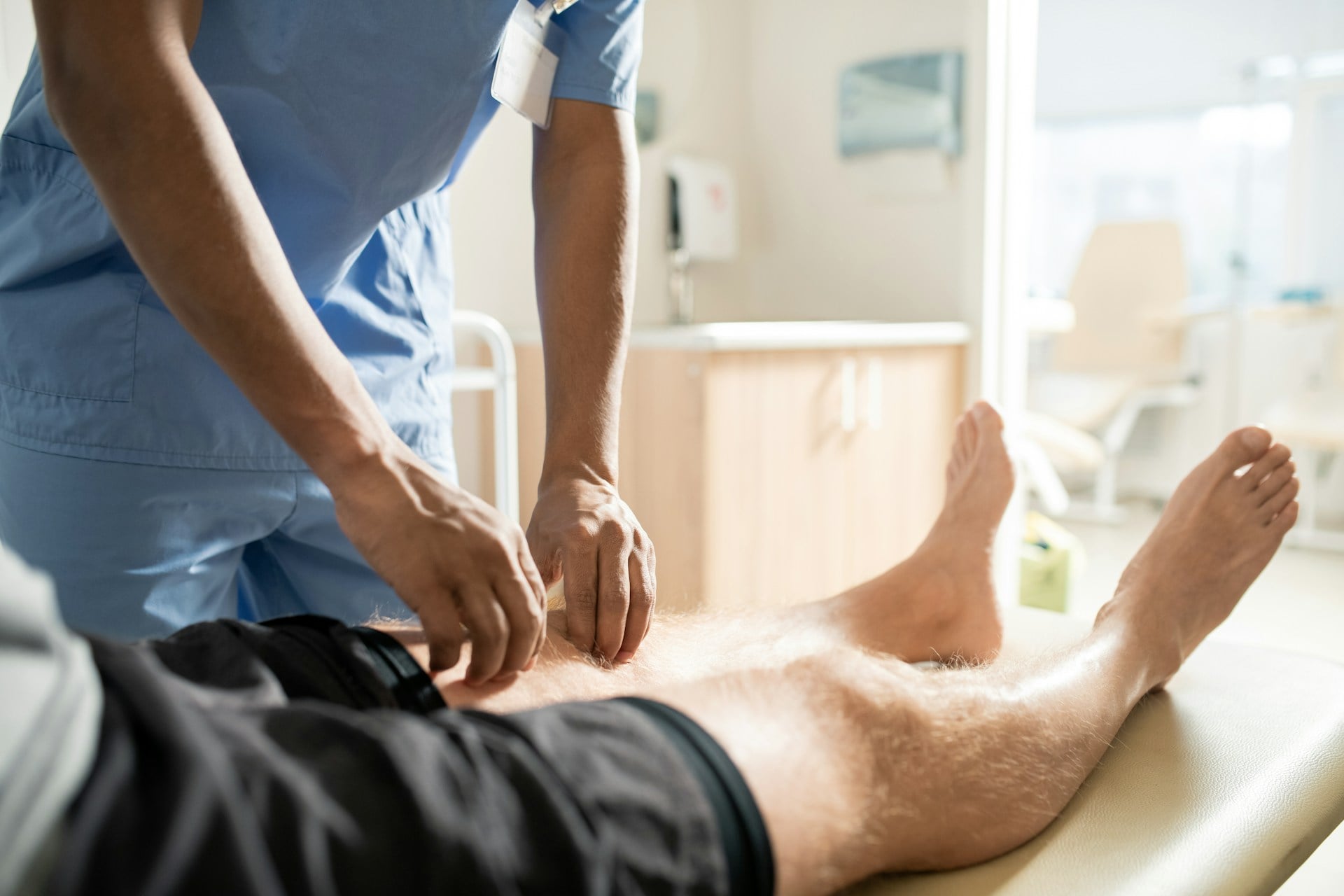
Every athlete and active person moves a little differently, but one thing they have in common is that when something starts to feel off, they want answers sooner than later. A sports medicine clinic can offer a mix of approaches designed to uncover issues before they lead to shutdowns or lost seasons.
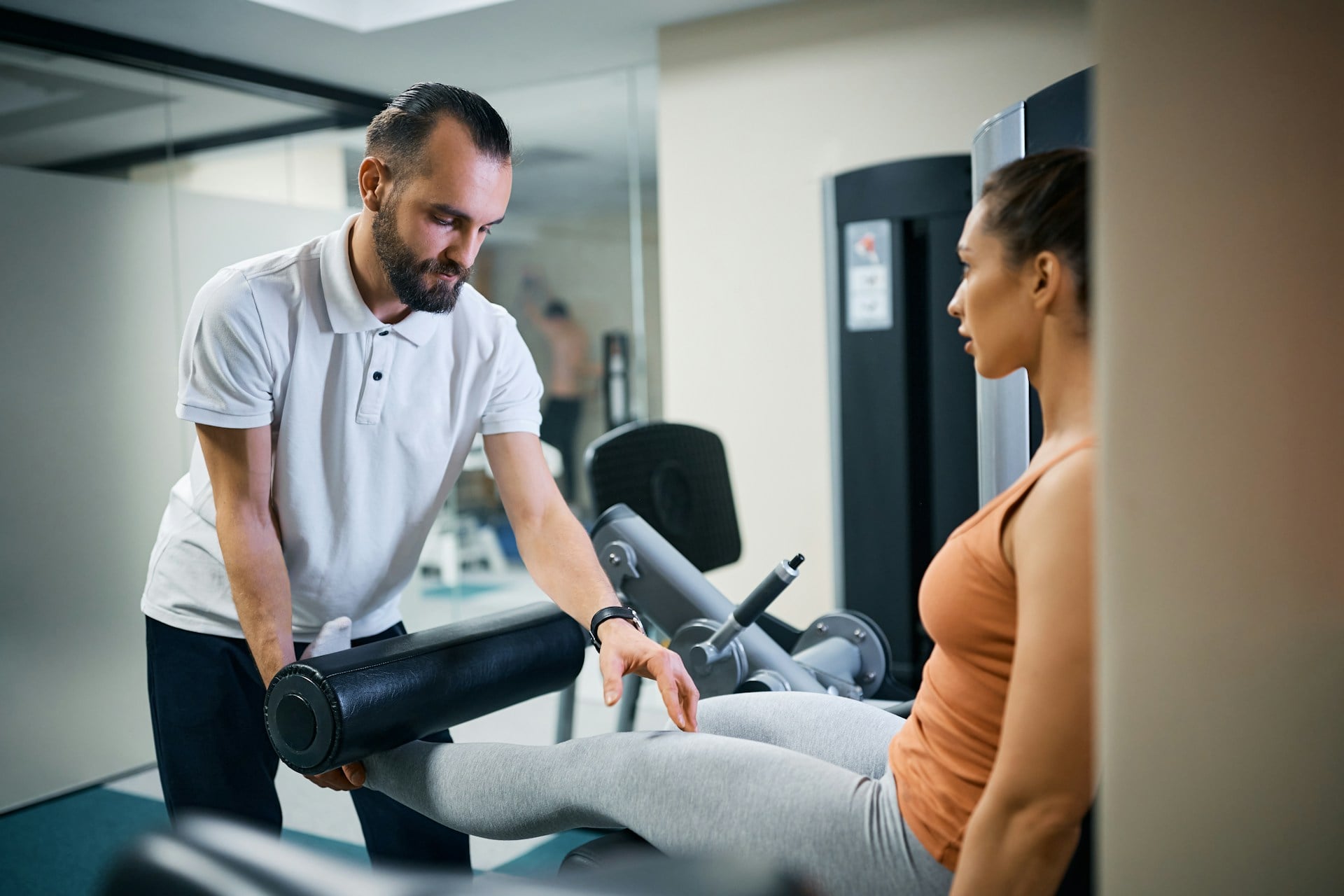
- Sports rehab that’s built around specific movement demands, like rebuilding stride mechanics or rotational strength
- Non-surgical planning that works with the body, not against it, using manual therapy, guided exercise, or diagnostic insight
- Maintenance for recurring trouble zones, especially areas that flare up seasonally like low backs, knees, or hips
ISMI provides a multidisciplinary team, including fellowship-trained sports medicine doctors, physical therapists, and orthopedic surgeons, allowing for smooth transitions between diagnosis, treatment, and rehabilitation, all within one Boise clinic. Our providers utilize sports-specific rehab, advanced imaging when needed, and therapy that incorporates motion assessments, manual techniques, and individualized exercise strategies for both non-surgical and post-surgical cases.
Late winter is usually when people start to question old habits, workout setups, or why an injury that seemed gone creeps back in. That’s the perfect time to assess strength balance, see how joints are moving under current conditions, and figure out where minor problems started.
When It’s Time to Get Checked Out
Everyone gets sore now and then. But consistent discomfort, stiffness that won’t ease, or pain that shifts around can be early signs that something more is going on. The tricky part is that these symptoms don’t always scream for help. They show up as subtle hesitations in your stride or effort that feels less natural than it used to.
Some of the flags we look out for include:
- Limited mobility that doesn’t improve with rest
- A return of pain in areas that had already been addressed
- Compensations in movement, like favoring one side or adjusting form without realizing it
When any of those appear, it’s not about panic. It just means the body is adjusting in ways that often lead to deeper problems if left unchecked. A quality look at movement patterns, muscle engagement, and joint contribution can help sort that out. The goal isn’t to overcorrect everything, just to recalibrate the areas being overworked.
Benefits of Integrated Physical Therapy and Sports Medicine
One of the clearest advantages of visiting a clinic at this time of year is the balance it strikes between medical insight and therapeutic recovery. When physical therapy and sports medicine work together, they can guide next steps more effectively.
- In-clinic PT can handle mobility resets and corrective work while medical oversight adds depth to the evaluation
- Treatments and exercises feel less reactive and more like smart layering, measuring what the body can handle without burning it out
- Rehab sessions in late winter often focus on re-activating underused chains, building structure around joints, and slowly finding clean form
At ISMI, physical therapy and sports medicine are closely coordinated, creating comprehensive care plans for people recovering from recent injuries, managing persistent pain, or working through chronic movement issues that surface during late-winter training.
It’s not just about feeling better faster. It’s about returning control to the person moving. We want bodies that respond instead of react. That kind of strength takes steady, targeted attention, especially when progress is harder to feel in cold conditions. Combining multiple disciplines gives recovery direction, instead of relying only on rest.
Preparing the Body for a Confident Spring Start
This stretch of the year may feel quiet, but it’s one of the best moments for building power behind the scenes. Instead of ramping hard into spring, February and early March are perfect for reconditioning, working out the bad habits, restoring balance, and recharging systems before mileage loads up again.
- Short strength intervals that target weak links, especially hips, core, and ankles
- Gait checks or movement screens that show where pain is being borrowed from
- Low-force mobility work tailored to the current weather and ground conditions
When we talk about energy for spring, we don’t mean explosive workouts right now. We mean slow, intentional prep that makes the energy you use later last longer. The more we ask the body to support new levels, the more it needs structure. That structure doesn’t come from skipping rest or repeating the same routine. It comes from tuning in, cleaning up form, and addressing the things we usually dismiss as minor.
Ready to Move Stronger Into Spring
Late winter gives us a rare chance to listen. To pause in a training cycle without halting altogether. It’s a good time to watch how small movements feel and consider what we’ve been ignoring in the name of consistency. We don’t need to fix everything, we just need to pay more attention to what our bodies are saying.
When spring shows up, whether in Boise, Idaho, or anywhere else, it tends to hit fast. The sun sticks around longer, weekend plans get more active, and the pressure to perform returns. Using February to check in, instead of push through, can flip that transition from bumpy to strong. It’s not about doing more. It’s about doing what matters now, so everything else moves better later.
When your body isn’t bouncing back quite the way it used to, or you’re feeling lingering soreness as seasons change, it may be time to check in. At ISMI, we understand how late winter can disrupt movement patterns, making spring activities harder to enjoy. Whether you’re dealing with a nagging issue or just want to move with less discomfort, a visit to a sports medicine clinic can help you take the next step with more clarity and control. Reach out to our team today so we can support you in moving through the season with confidence.