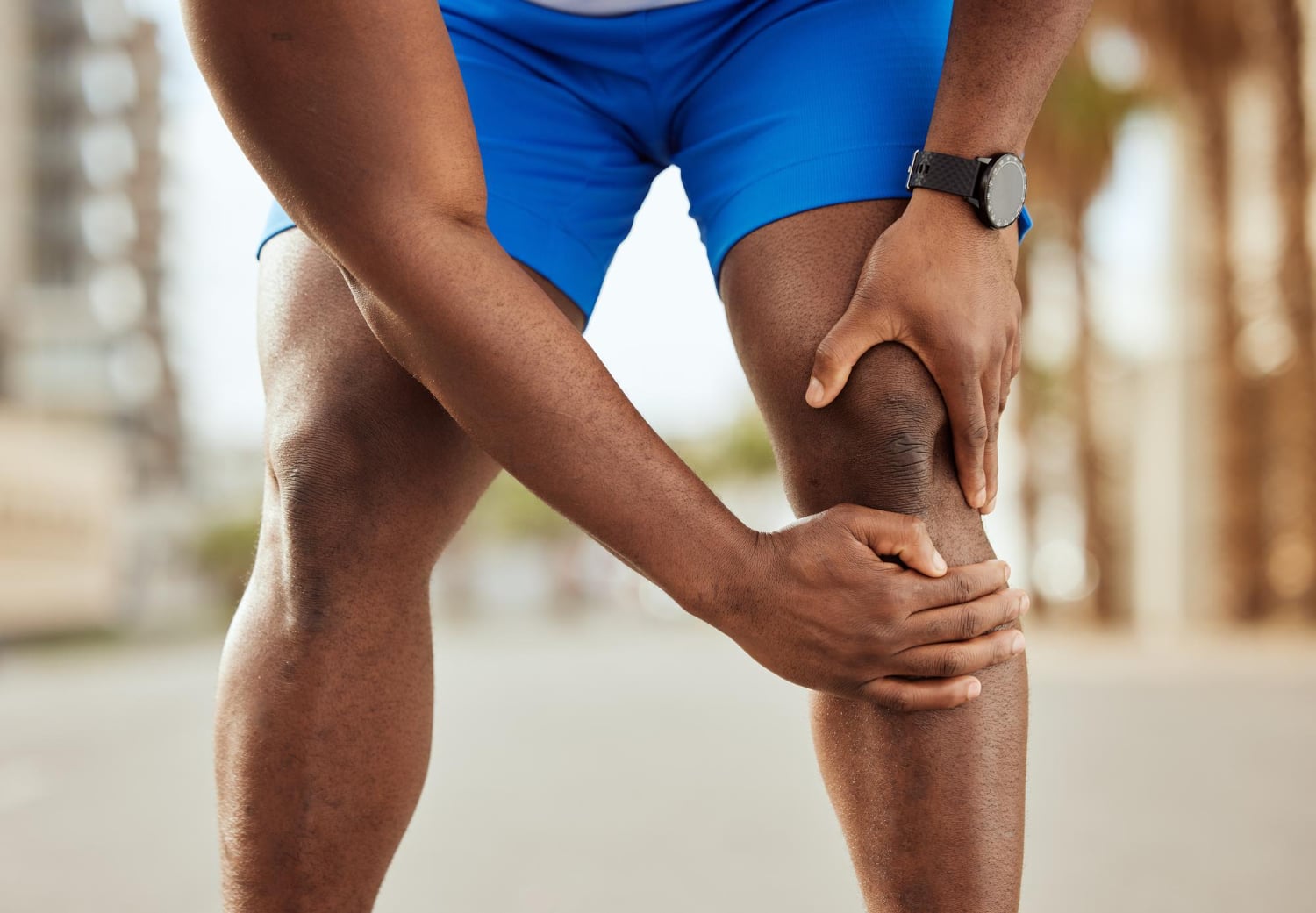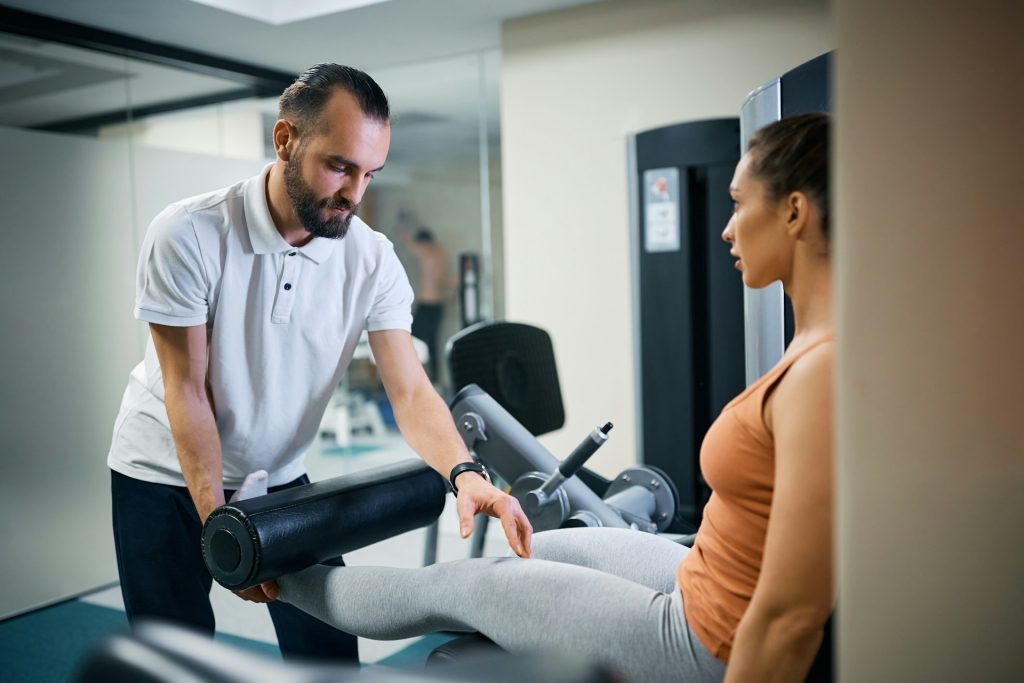
Late winter in Boise is a strange mix of hard ground, unpredictable weather, and bodies that do not always warm up the way they used to in the fall. Whether you’re deep into gym training or looking to ease back into trail running, this transition period can highlight the small aches that have been building. That is where care rooted in sports medicine can make a difference. From injury prevention to return-to-sport support, clinics that focus on sports medicine in Boise, Idaho, help active people move better, faster, and more confidently as spring inches closer.
This time of year matters. It is not yet warm, but momentum builds fast. Getting ahead of joint strain, sore tendons, or movement limitations now is often easier than waiting for full-blown problems once training loads pick up. We see this every year, and it is why support through sport-specific care can be one of the smartest steps you take once February rolls around.
Understanding Sports Medicine: Beyond the Sidelines
Sports medicine is not just about big injuries or pro athletes. It is a full-body, functional approach that helps people stay active at any level. Care in this field focuses on four main areas:
• Prevention of movement-based injuries before they limit performance
• Diagnosis and treatment of injuries caused by sport, training, or activity
• Hands-on and exercise-based rehab methods to restore movement
• Long-term planning that helps reduce the chance of reinjury
What makes sports medicine different is its attention to both what has happened and what could happen if a movement issue goes unchecked. It is about supporting the full process of recovery while building a body that is ready to face the next challenge.
Whether you’re dealing with an aching foot, a shoulder that does not rotate the same, or just feel slower in your stride, sports medicine bridges the gap between medical care and athletic goals. Instead of treating pain alone, it focuses on movement patterns, muscle imbalances, and how everyday function connects to training demands.
At ISMI, our services include comprehensive sports medicine evaluations, orthopedic surgery, and advanced physical therapy, giving athletes and active adults access to a collaborative team approach throughout their recovery and performance plans.
Common Injuries and Conditions Treated in Boise
By February, we see clear themes in Boise. The cold has stiffened joints, indoor training has shifted muscle engagement, and smaller irritations often get louder. Certain types of issues come up more often this time of year:
• Overuse injuries like tendinitis or shin splints from running and cycling
• Old injuries flaring back up because of lack of movement or cold sensitivity
• Shoulder and knee strain from increased indoor resistance work
• Stress fractures or joint tension from sudden jumps in activity
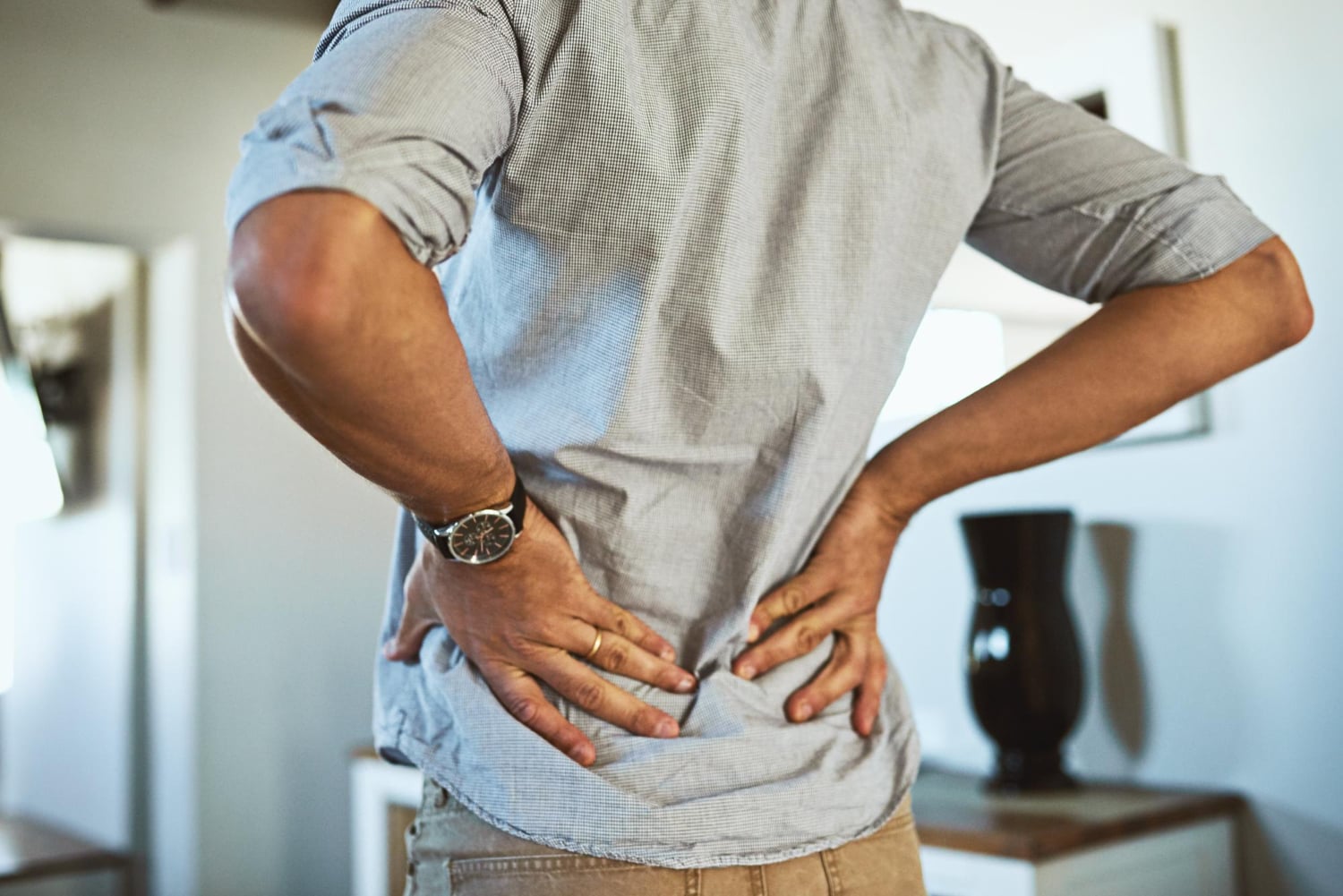
We also notice chronic movement issues that were not caused by a single event. These may show as subtle range loss, tight low backs, or hips that feel uneven after sitting or lifting. With spring workouts coming fast, late winter is when we flag these early signals and guide them toward recovery. Small changes now can help athletes avoid setbacks down the line.
Our team routinely helps with diagnosing, treating, and rehabbing a wide range of musculoskeletal injuries using state-of-the-art imaging, hands-on therapy, and performance-based plans to support Boise’s active population.
What to Expect from a Local Sports Medicine Visit
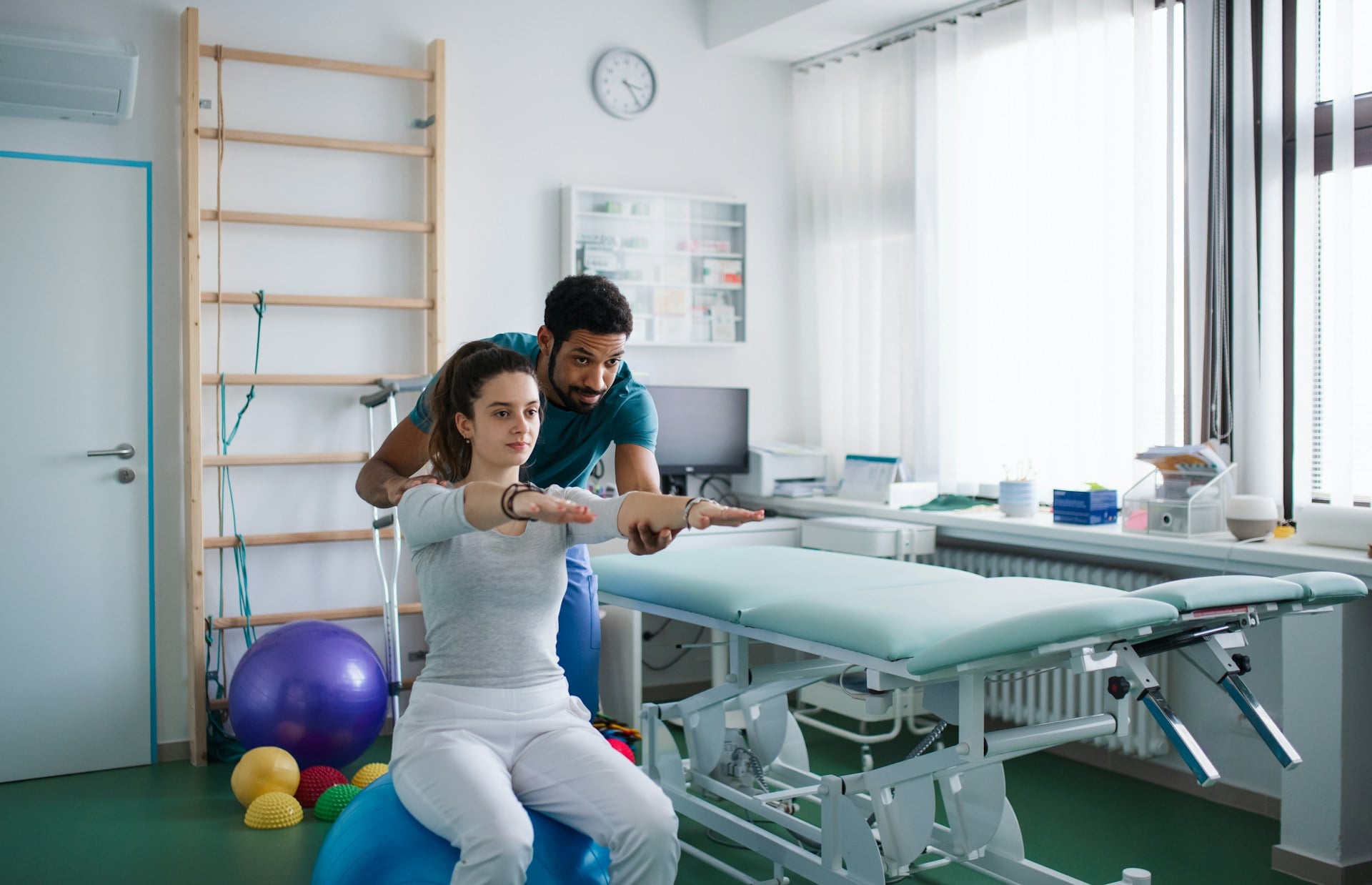
Getting checked does not need to feel clinical or rushed. A visit often begins with a movement screening where we look at posture, stride, stability, and range. These patterns tell us more than isolated symptoms. From there, we build a plan that fits your needs.
• Initial evaluation covers pain points, movement quality, and relevant training history
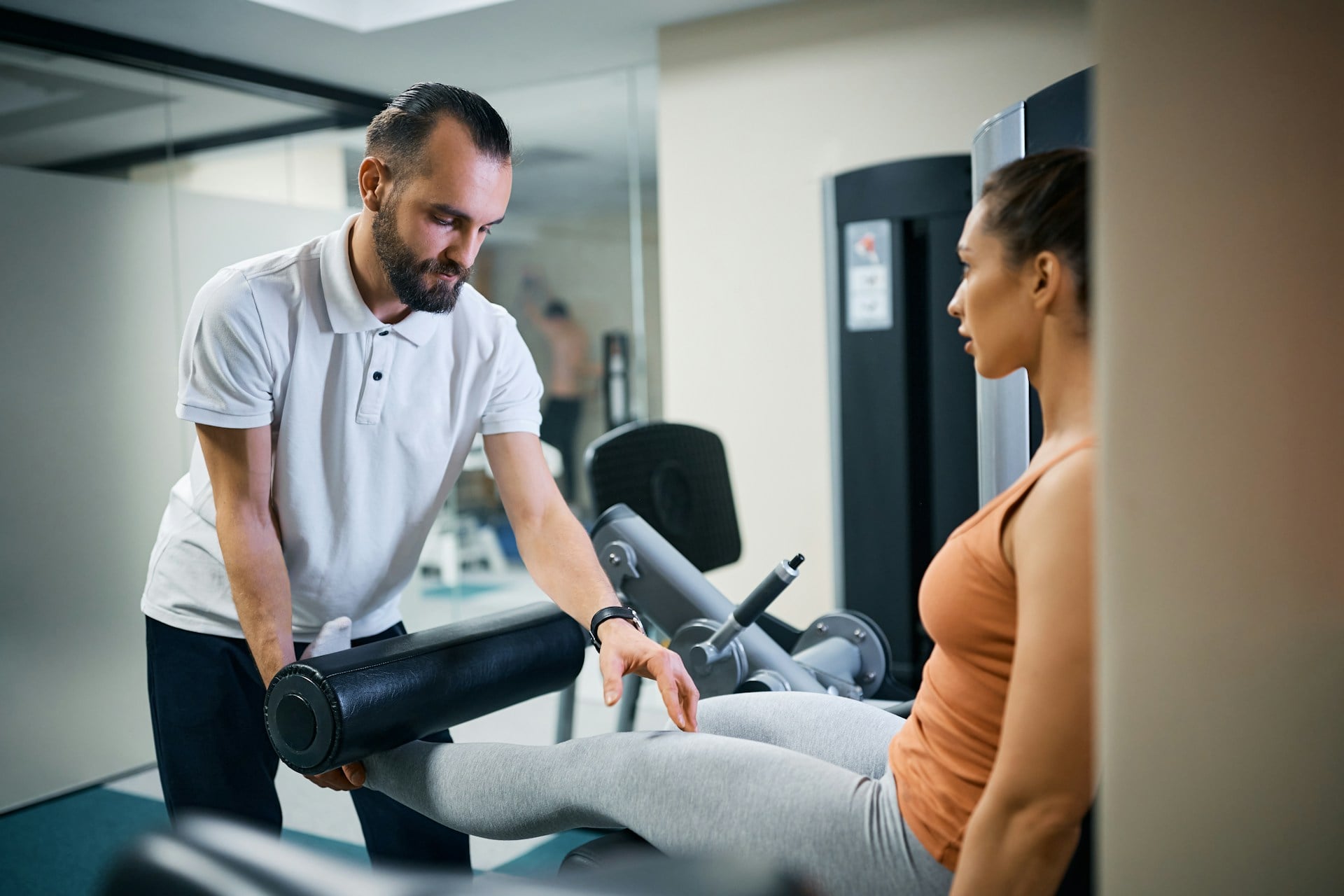
• Movement testing can include strength, coordination, and muscle control
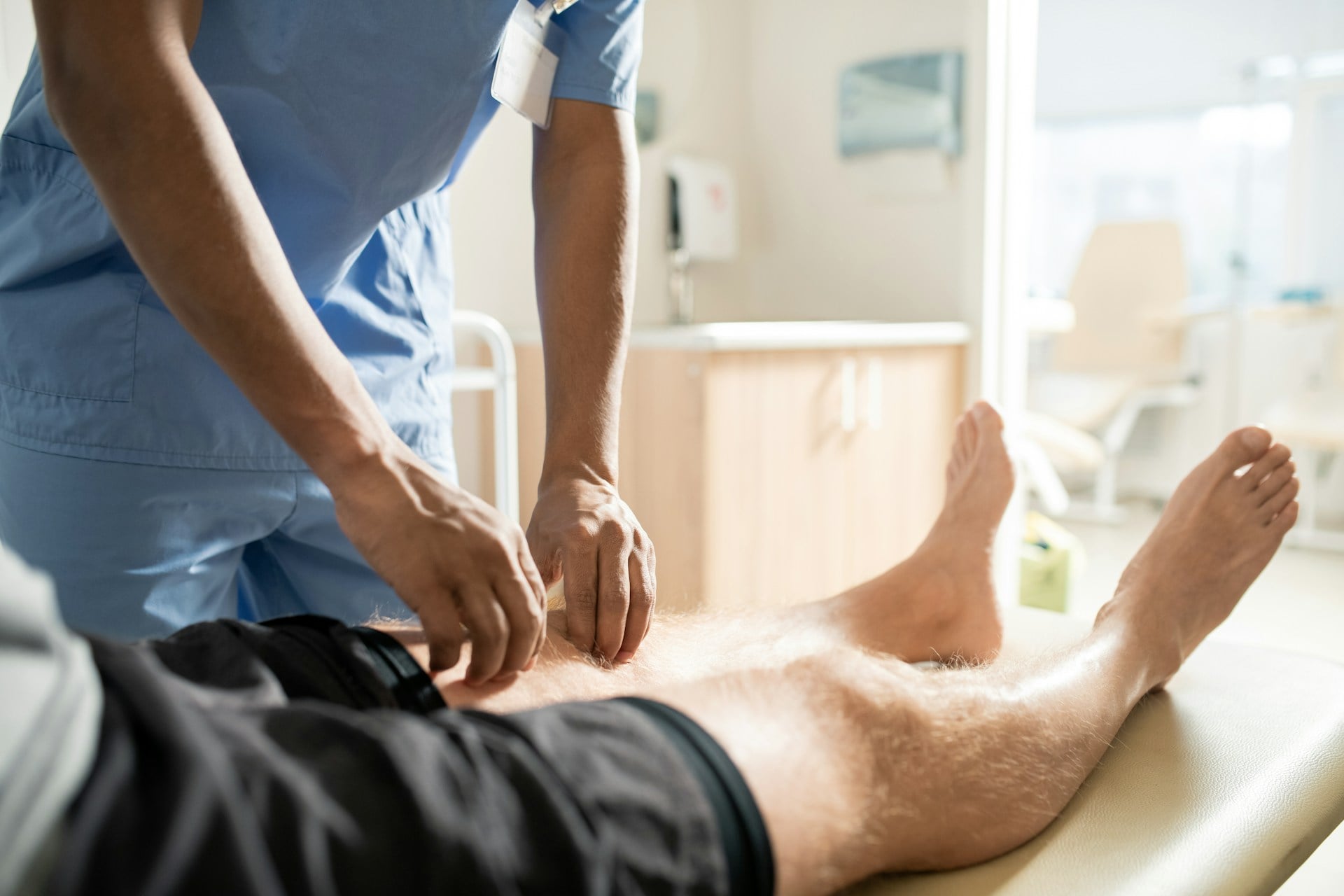
• Treatment may blend manual therapy, strength planning, or sport-specific drills
This type of care works well because it is functional, not one-size-fits-all. Whether you are lifting, skiing, running, or working toward more joint control, the aim is always the same: understand what your body is doing and coach it toward better performance. That process creates change you feel in real life, not just on paper.
The Role of Physical Therapy in Long-Term Recovery
Physical therapy plays a key part in how we approach recovery and return to sport. What often starts with pain ends with progress when the right steps are followed. This is not about handing out a set of exercises and calling it good. It is about building strength, balance, and control so your body can move without fighting itself.
• Therapists help with gait work, joint stability, and postural improvement
• Plans include hands-on care plus guided movement strategies
• Active recovery is favored over full rest, when appropriate, to keep momentum
We often talk to people who tried to “just rest” nagging pain for a few weeks, only to feel like they lost ground instead. The right physical therapy plan does not just heal injury, it helps grow your movement capacity so you are stronger the next time around.
Our integrated approach means that your therapy team works closely with our orthopedic specialists and sports medicine doctors, so any needed changes can be made quickly and smoothly as you progress.
Ready for the Next Season: When to Seek Help
If February finds you sore more days than not or struggling to hit the same marks in workouts, it may be time to get checked. Common signs that a sports-focused evaluation may help include:
• Ongoing soreness that does not ease up with rest
• Loss of motion in joints that used to move with ease
• Compensation during activity or post-workout pain that lasts longer
It is better to ask questions now than to wait until you are sidelined for weeks. Movement issues tend to snowball when ignored. That is why we encourage people to act early, especially as spring training calendars start filling up. Building a care plan before ramping up outdoor activity can keep you confident through every mile, rep, or trail.
Movement Support That Matches Your Goals
Staying active during the final stretch of winter takes effort. The cold lingers, days are still short, and every warm-up seems to take a bit longer. That is exactly why it pays off to move with intention and get support when your body signals it is time.
Sports medicine bridges the gap between resting when needed and moving with purpose when appropriate. It gives athletes and active adults tools to understand their pain, improve their form, and return to what they love without constantly feeling one step behind. Boise, Idaho, may still be hanging onto low temps now, but spring is not far off. How we move today shapes how we train tomorrow, and we are here to make sure you are set up to move well into the season ahead.
Noticing extra soreness or stiffness during activities could signal it is time to focus on how your body moves and recovers. We connect your training demands with your movement patterns to help you address pain proactively and train smarter through Boise’s seasonal shifts. Our team blends rehab, prevention, and performance work that aligns with what your body needs right now. To see how we support active recovery through sports medicine in Boise, Idaho, contact ISMI to schedule your visit.