
In the vibrant city of Boise, staying active is a way of life. From early morning hikes to weekend cycling trips, the community thrives on movement. But when injuries happen, or surgeries lead to downtime, getting back on your feet is super important. Sports rehabilitation is the key to not just recovering but returning stronger and even stepping up your game. This article explores exercises that can help you heal and even boost your athletic performance.
For anyone navigating the path to recovery, the exercises we discuss here align with a friendly and reassuring approach. They are designed to improve flexibility, strength, balance, and more. Each exercise is a step towards feeling more like yourself, ready to embrace the active lifestyle Boise has to offer. Whether you’re a professional athlete or just enjoy staying fit, these exercises make a big difference in your rehabilitation journey.
Gentle Range of Motion Exercises
When you’re recovering from an injury or surgery, being gentle with your body is key. Gentle range of motion exercises are perfect for easing stiff joints and gradually improving flexibility. They involve careful, controlled movements that help your body remember what it feels like to move freely.
1. Ankle Circles: Sitting comfortably, extend one leg and slowly rotate your ankle in circles. This simple exercise helps loosen tightness in the ankle area and keeps the joints active, supporting better movement.
2. Wrist Bends: With your arm extended in front of you, gently angle your wrist up and down. This movement can reduce tension in the wrists and forearms, which is especially helpful if your wrists have been in a splint or brace.
3. Shoulder Rotations: Stand or sit up straight and slowly roll your shoulders forward and backward. This exercise lets your shoulders enjoy a range of motion, helping to combat any stiffness from holding one position for too long.
These exercises don’t just improve how your joints feel; they help maintain a connection between mind and body during recovery. When done regularly, they can also prepare your muscles for more challenging activities down the line. Even if they seem simple, these exercises play an important part in getting you back to the activities you love.
Strengthening Exercises
Strengthening exercises are like giving your body an added layer of protection. They don’t just help you recover from current injuries; they build your muscles to handle everyday activities and sports with more power. Tailoring these exercises to match your needs can really set you up for future success.
– Leg Presses: Using a leg press machine, you can control the amount of resistance applied to your legs. This exercise strengthens the muscles in your thighs and glutes, which are crucial for activities like running and jumping.
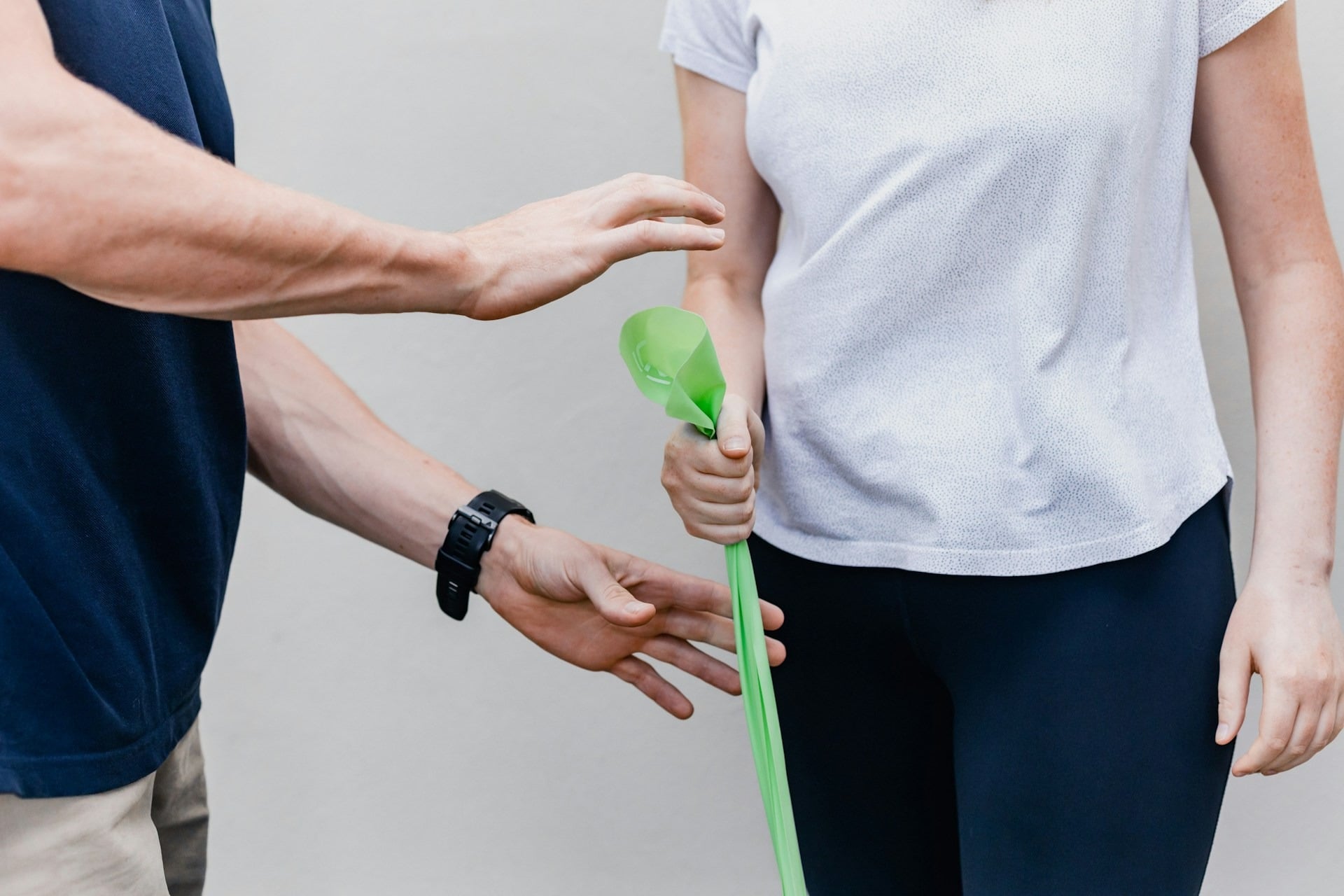
– Resistance Band Exercises: Resistance bands are versatile tools. You can use them to work on almost any part of your body, from your arms to your legs, by providing adjustable tension and different levels of intensity.
– Core Strengthening: A strong core is vital for most athletic performances. Engage in exercises like planks or sit-ups to stabilize your core muscles, which help support the rest of your body as you move.
Building muscle strength supports your recovery process while also making you more injury-resistant in the future. You’ll notice yourself moving more confidently as your strength improves, and the activities you enjoy will feel more natural and controlled.
So, while you’re on your rehabilitation journey, integrate these exercises to pave the way toward a healthier, more robust version of yourself.
Balance and Stability Exercises
Finding your balance is not just for advanced dancers; it’s a key component in sports rehabilitation too. Balance and stability exercises help to rewire your body to move fluidly again and prevent future injuries. They’re especially useful for those whose injuries might’ve thrown off their natural balance.
– Single-Leg Stands: Stand with your feet hip-width apart and lift one foot off the ground, holding as steady as you can for 20 to 30 seconds. This simple exercise doesn’t require equipment but works wonders for your stability.
– Balance Boards: Add a challenge by using a balance board. Stand on this wobbly surface and engage more muscles as you stabilize yourself. This exercise promotes muscle coordination and improves your ability to react to changes in the ground underfoot.
– Stability Ball Workouts: These involve an exercise ball and can range from seated balance to performing squats with the ball. The instability of the ball requires your core and other stabilizer muscles to work harder, improving coordination across different muscle groups.
These exercises fit seamlessly into your daily routine and don’t need complex tools, making them perfect for home use. Enhanced balance translates to improved performance in sports, where precision movement counts, ensuring you stay ready and less prone to injuries.
Cardiovascular Conditioning
Cardiovascular conditioning is like an energy boost for your whole system. It keeps your heart healthy and boosts endurance, critical for returning to sports. While high-impact activities might not be appropriate during recovery, there are plenty of low-impact options:
– Swimming: This full-body workout is gentle on joints while providing excellent cardiovascular benefits. The water’s support allows for smoother movements that wouldn’t stress healing areas.
– Cycling: Whether you’re on a stationary bike or out on the road, cycling strengthens your heart without the jarring impact of running.
– Elliptical Training: This machine simulates walking or running but with the added benefit of reduced joint impact. Perfect for getting your heart rate up while being kind to healing joints.
These activities improve cardiovascular fitness in a safe, controlled way, giving you the endurance needed for everyday activities and sports. Plus, they keep exercise fun and varied, preventing boredom and savoring the joy of movement.
Functional Movement Exercises
Functional movement exercises are all about preparing your body for real-world activities. They mimic sports-specific movements to help transition from rehabilitation back to your preferred sports or activities.
– Ladder Drills: These involve stepping in and out of an agility ladder on the ground, building coordination and quickness crucial for field sports.
– Agility Cones: Set up cones and navigate around them in different directions. This exercise helps improve footwork and reaction times, which are critical in sports that require quick changes in movement.
– Sport-Specific Drills: Tailor exercises to mirror movements from your particular sport, like practicing swing motions for tennis players or dribbling drills for basketball enthusiasts. By doing this, you ensure that your body is ready for the demands of your sport when you return.
These exercises ensure that once you’re back in action, your body feels familiar with the motions, reducing the risk of re-injury.
Moving Forward with Confidence
Stepping onto the field or court post-rehabilitation can feel like a fresh start. Consistently engaging in these diversified exercises equips your body not just to recover but to potentially reach a new peak of performance. Remember, progression in sports rehabilitation is a journey that combines effort, patience, and professional guidance for optimal results.
Rehabilitation isn’t just about fixing what’s broken; it’s also about preventing future issues and emerging stronger. By including a mix of these exercises, you nurture your body back to health while preparing it for the challenges to come. So, dive into your rehab routine, knowing each step brings you closer to where you want to be.
Unleash your full potential and recover stronger with the help of ISMI. Our expert team offers specialized care to enhance your rehabilitation journey. Discover how our tailor-made physical therapy sports solutions can support you in achieving peak performance and embracing life’s adventures. Contact us today to help you step confidently into your active lifestyle with renewed strength and resilience.