
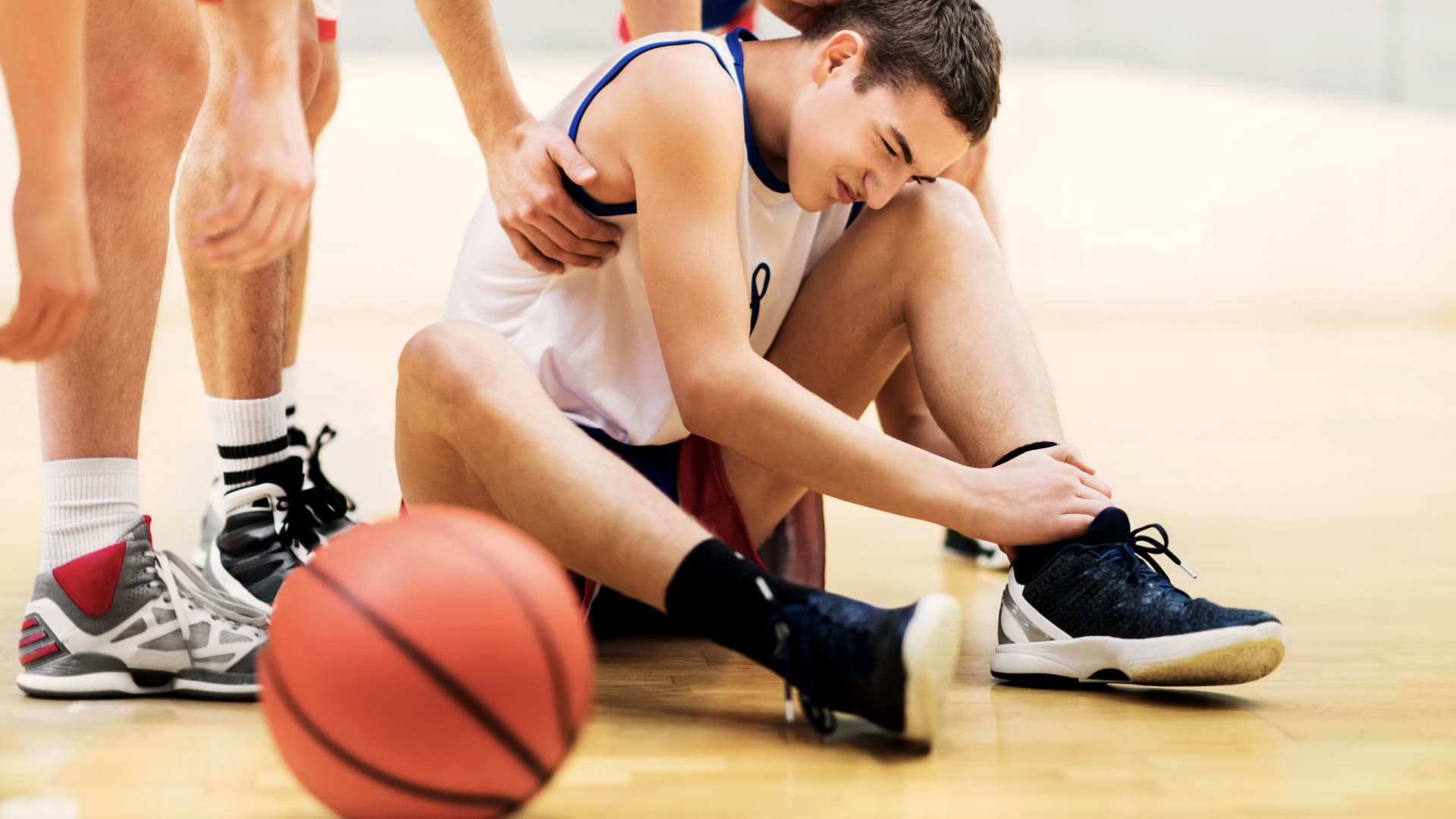
High school athletes place significant demands on their bodies during a time of rapid growth and development. Treating these injuries requires more than simply applying adult-based protocols to smaller patients. At this stage, open growth plates, evolving biomechanics, and ongoing neuromuscular development all influence how injuries occur, how they heal, and how they should be treated. A mismanaged injury in a 16-year-old is not just a short-term issue. It can affect long-term performance, movement patterns, and joint health.
Idaho Sports Medicine Institute has extensive experience caring for high school athletes across Idaho and is recognized for its expertise in this unique population. The focus is not just on diagnosing and treating the injury, but on understanding the athlete as a whole. High school athletes require a specialized, development-based approach that integrates injury care with long-term athletic health and performance.
The Changing Landscape of Youth Sports
Youth sports have changed dramatically over the past few decades. Many athletes now train and compete year-round, often in a single sport, with additional participation on club teams alongside school sports. It is also increasingly common to see athletes playing multiple sports at the same time, leading to overlapping seasons and minimal true recovery time.
While this level of participation may improve short-term skill development, it has contributed to a significant rise in overuse injuries. Repetitive loading without adequate recovery, especially in a growing athlete, places stress on developing bone, cartilage, and soft tissue structures. Fatigue also plays a critical role, particularly in ligament injuries, where decreased neuromuscular control can increase injury risk and, in some cases, lead to injuries that require surgical treatment.
In contrast, multi-sport participation at younger ages remains one of the most effective strategies for reducing injury risk. Different sports load the body in different ways, promoting balanced strength, coordination, and movement variability. This reduces repetitive strain and helps build more resilient athletes over time.
Expert care in this environment requires not only treating injuries, but also guiding athletes, families, and coaches on training volume, recovery, and long-term development. This is a core component of care at Idaho Sports Medicine Institute.
What Treatment Options Are Used?
Treatment for high school athletes is individualized and designed to support both healing and continued development:
- Physical therapy focused on restoring strength, flexibility, and proper movement mechanics
- Manual therapy to improve mobility and reduce pain without overstressing developing structures
- Bracing or protective support when appropriate
- Activity modification to maintain conditioning while reducing harmful load
- Growth plate-specific treatment protocols when indicated
- Nutritional, recovery, and training guidance to optimize healing
- Surgical repair or reconstruction when necessary to restore stability and function
- Performance testing to assess readiness for return to sport
Education is a central component of care. Athletes are taught how training habits, workload, and recovery strategies directly impact both injury risk and performance, skills that benefit them well beyond a single season.
How Is Treatment Structured?
Care is delivered through a structured, phased approach that reflects both biology and sport demands:
Step 1: Comprehensive Evaluation
Includes skilled ligament testing, movement assessment, and growth-related considerations.
Step 2: Diagnosis Within a Developmental Context
Imaging, including X-rays, ultrasound, and MRI or CT scan, is often used to evaluate growth plates and identify injuries unique to adolescent athletes.
Step 3: Progressive, Criteria-Based Treatment Plan
Advancement is based on objective milestones rather than time alone.
Step 4: Return-to-Sport Testing
Includes strength, functional performance, movement quality, and psychological readiness.
A key advantage at Idaho Sports Medicine Institute is timely access to care. Most acute injuries can be evaluated within 24 hours. Early diagnosis and intervention help streamline the recovery process, reduce unnecessary delays, and in many cases allow athletes to return to sport more efficiently without compromising safety.
Why This Approach Matters
One of the most challenging aspects of treating high school athletes is the reality of sports seasons. Recovery timelines do not align neatly with competition schedules. Many injuries, particularly ligament injuries, meniscus injuries, cartilage damage, and significant tendon or bone overuse conditions, can take several months to up to a year for full recovery. This often means missing part or all of a competitive season.
There is understandable pressure from athletes, families, and teams to return as quickly as possible. However, returning before an athlete is ready can be dangerous.
For this reason, return-to-sport decisions at Idaho Sports Medicine Institute are based on objective criteria, not timelines alone. Athletes undergo detailed testing to assess strength, functional performance, and limb symmetry. Persistent asymmetries or deficits increase the risk of reinjury and compensatory injuries elsewhere in the body.
A pain-free athlete is not necessarily a ready athlete. Careful return-to-sport parameter testing allows athletes to return to play as quickly as safely possible, minimizing risk while restoring confidence and performance.
Equally important is addressing the root cause of many of these injuries: cumulative overload. Conservative care includes building structured rest into training, managing total workload across teams, and ensuring that athletes are not exceeding safe participation thresholds. This is particularly critical for athletes balancing school and club sports or playing multiple sports simultaneously.
Expertise That Extends Beyond the Injury
Effective care for high school athletes requires coordination beyond the clinic. Communication with parents, coaches, trainers, and, when appropriate, strength and conditioning staff is essential to ensure that the treatment plan is followed consistently.
At Idaho Sports Medicine Institute, this comprehensive approach is central to care. With deep experience treating athletes at the high school level throughout Boise and even beyond the Treasure Valley, ISMI is a trusted resource for injury evaluation, treatment, and safe return-to-sport decision-making.
Trust Idaho Sports Medicine Institute With Your Young Athlete
High school sports injury treatment is different because the athlete is different. Providing the right care at the right time, grounded in development, recovery science, and sport-specific demands, makes all the difference in both short-term outcomes and long-term athletic success.
If your athlete has a sports injury, do not wait for it to resolve on its own. Contact Idaho Sports Medicine Institute today to schedule an evaluation and give your young athlete the specialized care they deserve.
How long do youth sports injuries take to heal?
Healing time varies by injury type, but many common youth sports injuries, like ankle sprains or mild strains, improve within two to six weeks with proper rest and treatment. More significant injuries, such as fractures or ligament tears, can take several months. Because young athletes are still growing, it is important to have healing progress confirmed by a provider before returning to full activity.
What are the treatment options for high school sports injuries?
Treatment options range from rest, ice, and bracing for minor injuries to structured physical therapy for strains and sprains, and orthopedic surgery for more serious structural damage. Idaho Sports Medicine Institute tailors treatment to each athlete's sport, position, and growth stage, since a plan that works for an adult athlete is not always appropriate for a still-developing body.