Aquatic therapy, also known as hydrotherapy or pool therapy, has gained recognition in recent years as an innovative method for sports rehabilitation, injury recovery, and overall fitness improvement. At ISMI, we pride ourselves on offering expert guidance and compassionate care tailored to the active lifestyle of Boise residents. Our content and approach to physical therapy embody the precision of a seasoned physiotherapist and the empathy of a trusted friend, making our services invaluable to elite athletes and active Idahoans alike.
In this comprehensive article, we will explore the numerous advantages of aquatic therapy and its diverse applications in sports rehabilitation. By examining the unique properties of water—including buoyancy, resistance, and hydrostatic pressure—we will highlight how aquatic therapy effectively treats various sports-related injuries, enhances mobility and strength, and promotes a faster, safer return to physical activities. Furthermore, we will discuss specific therapeutic techniques used in aquatic therapy, ensuring a thorough understanding of this cutting-edge approach to sports rehabilitation.
Whether you’re an elite athlete or an individual looking to recover from an injury and improve your overall fitness, aquatic therapy provides a versatile and promising modality for rehabilitation. Join us as we delve into the powerful benefits of this innovative approach and discover how incorporating aquatic therapy into your sports rehabilitation journey can propel you toward lasting recovery and athletic success in Boise and beyond.
The Unique Properties of Water in Aquatic Therapy
Aquatic therapy harnesses water’s distinctive properties, providing a range of physical and therapeutic benefits. These properties include:
1. Buoyancy
Buoyancy is the upward force of water, counteracting gravity and reducing an individual’s body weight. This reduced weight-bearing environment eases joint stress, allowing for greater mobility and less pain during movement.
2. Resistance
Water resistance, or drag, is an opposing force to movement. As an individual moves through water, muscles need to work harder, providing strength-building resistance training. This resistance can be adjusted by modifying the speed and range of movement or using specialized equipment.
3. Hydrostatic Pressure
Hydrostatic pressure is the force exerted on the body by water at rest. This pressure improves circulation, reduces swelling, and offers gentle yet constant compression to support injured tissue.
Key Benefits of Aquatic Therapy
Aquatic therapy offers several advantages over traditional land-based rehabilitation, making it ideal for various conditions and injury recovery. These benefits include:
1. Reduced Pain and Inflammation
The buoyancy of water allows for a pain-free range of motion, while hydrostatic pressure reduces swelling and inflammation. Consequently, aquatic therapy can facilitate a more comfortable and efficient rehabilitation experience.
2. Increased Flexibility and Strength
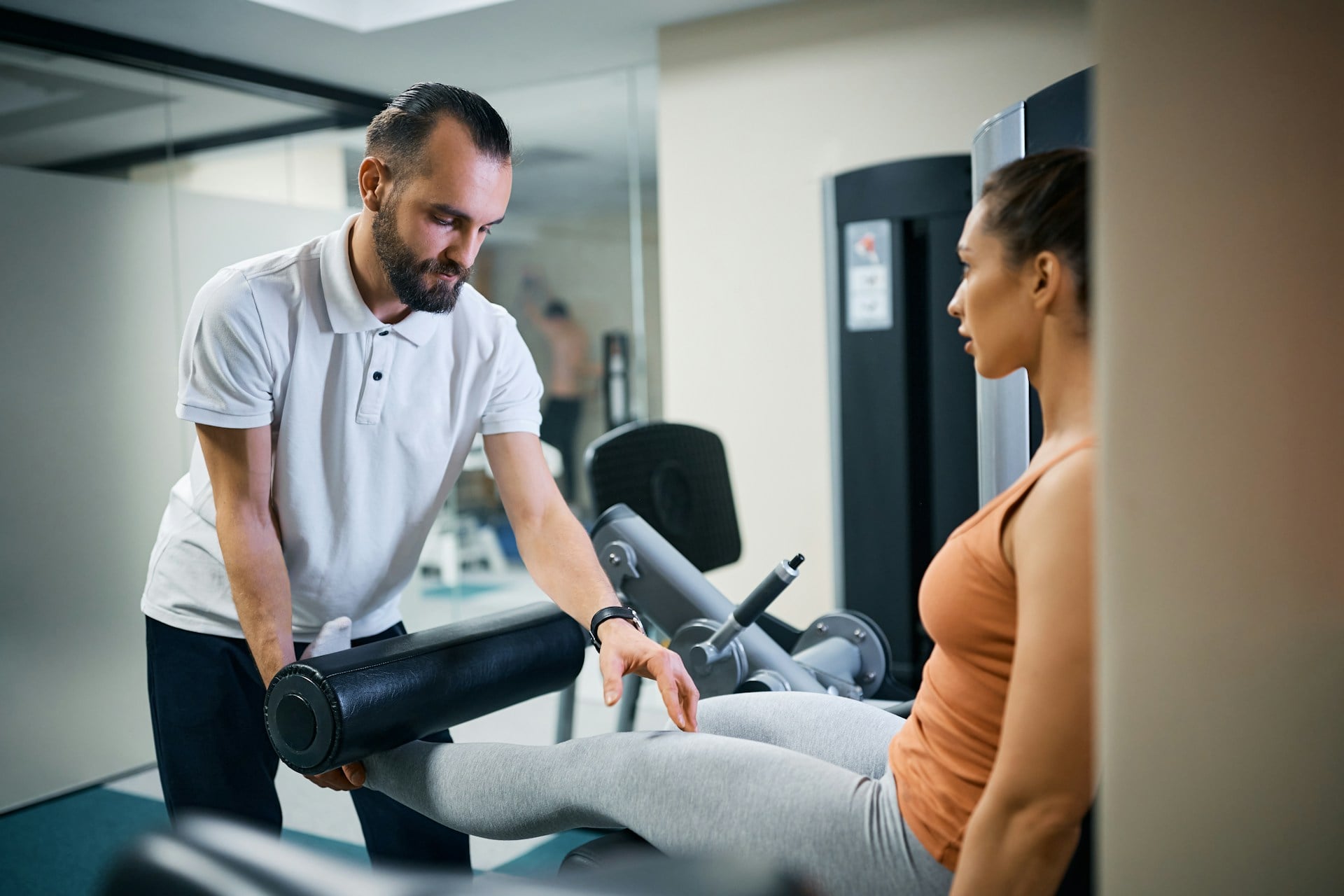
With reduced joint stress and muscle resistance, aquatic therapy promotes increased flexibility and strength in both injured and non-injured muscles. The resistance provided by water can target specific muscle groups or movement patterns, allowing for tailored strength and conditioning plans.
3. Improved Balance and Coordination
Aquatic therapy can improve an individual’s balance and coordination through a variety of exercises targeting stability and proprioception. The buoyancy of water provides support and safety, allowing for enhanced confidence while practicing and targeting these skills.
Applications of Aquatic Therapy in Sports Rehabilitation
Aquatic therapy is versatile and adaptable, making it effective for treating numerous sports-related injuries and conditions. Some of the most common applications of aquatic therapy in sports rehabilitation include:
1. Post-Surgical Recovery
Following orthopedic surgery, aquatic therapy can provide a gentle environment for initiating movement and exercise, promoting faster recovery and a timely return to activities.
2. Sports-Related Injuries
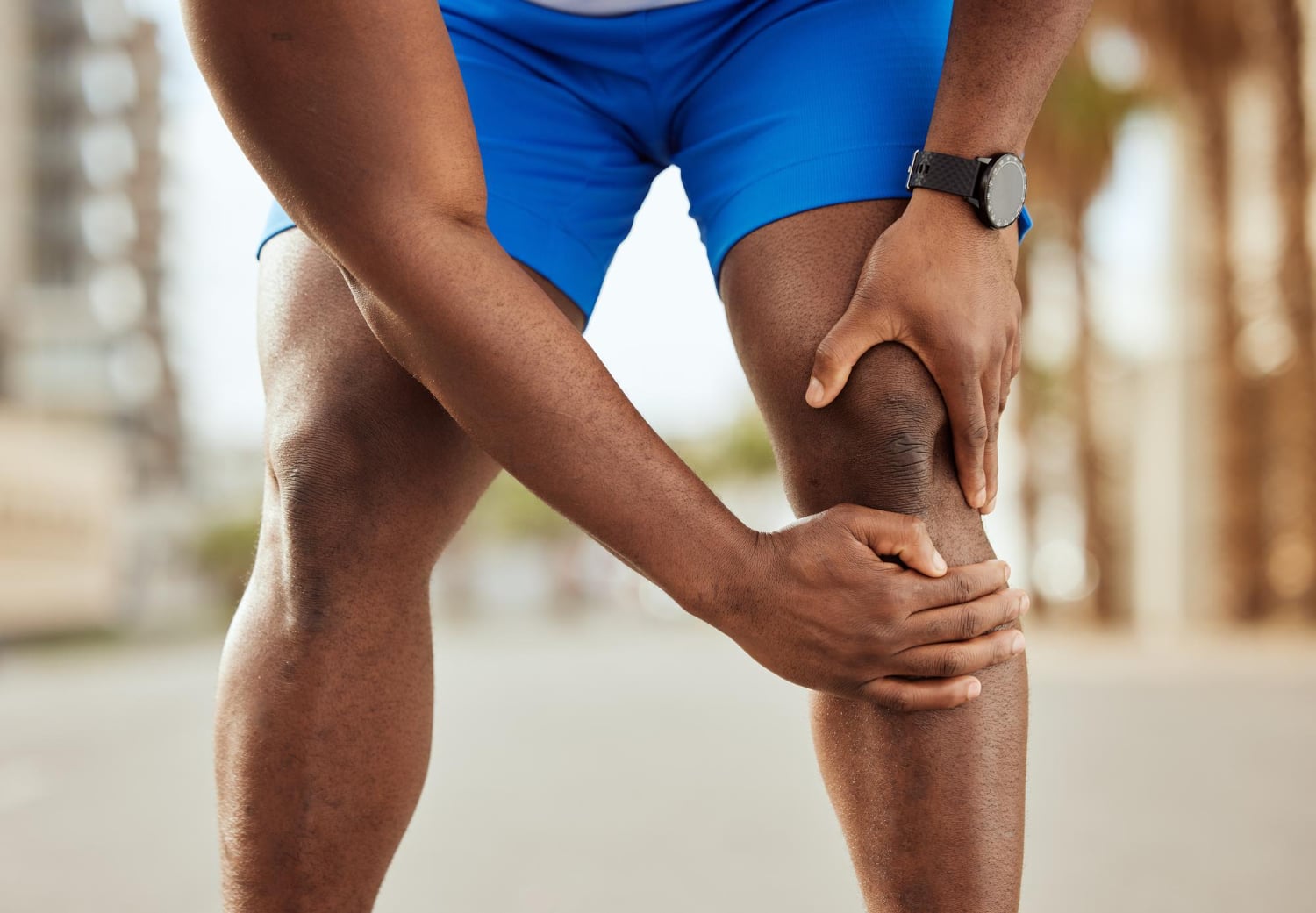
Common sports injuries such as ACL tears, ankle sprains, and tendinitis can greatly benefit from aquatic therapy. The medium of water offers a minimally weight-bearing setting for rehabilitating these injuries and a safe space for transition back to full weight-bearing and land-based activities.
3. Chronic Conditions
Athletes suffering from chronic conditions, such as arthritis or back pain, can benefit from aquatic therapy’s soothing and supportive environment, which enables ongoing conditioning and pain management.
4. Aquatic Therapy Techniques
Aquatic therapy employs various techniques to address specific sports rehabilitation goals, often tailored to individual needs. Some common aquatic therapy techniques include:
5. Aquatic Exercise
Aquatic exercises can be performed with or without equipment, ranging from walking, jogging, jumps, kicks, and stretches. Water’s buoyancy and resistance allow for a diverse range of movements that cater to individual rehabilitation needs and abilities.
6. Aquatic Manual Therapy
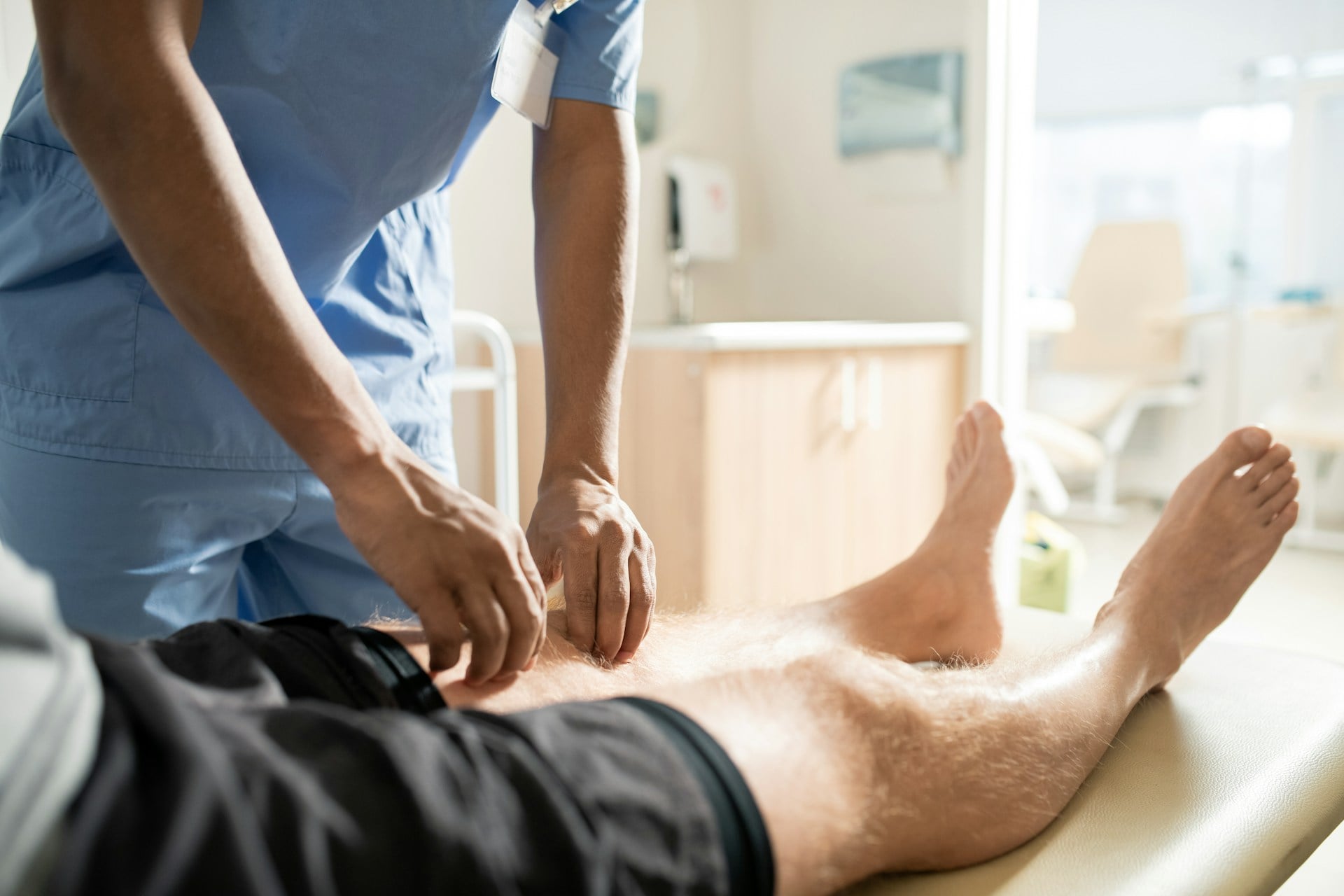
Aquatic manual therapy involves hands-on techniques similar to traditional land-based therapy applied to the body while submerged in water. These hands-on methods can include joint mobilization, myofascial release, and neuromuscular re-education.
7. Ai Chi
Ai Chi is a form of aquatic therapy incorporating Tai Chi, yoga, and Qi Gong elements in a water-based environment. This therapy focuses on balance, strength, flexibility, and relaxation techniques to promote physical and mental wellbeing.
Conclusion
Incorporating aquatic therapy into your sports rehabilitation and recovery plan can provide a powerful and unique approach to healing. It combines the natural benefits of water with targeted exercises and therapeutic techniques. By understanding and taking advantage of these advantages, athletes and active Idahoans can achieve lasting recovery and greater performance in their sports endeavors.
At ISMI, we strive to empower our patients with an array of innovative and effective rehabilitation methods, including aquatic therapy, tailored to suit their specific needs and lifestyles. Let our team of experts guide you in realizing the powerful benefits of aquatic therapy and help you on your journey to a triumphant return to the active lifestyle you love.