
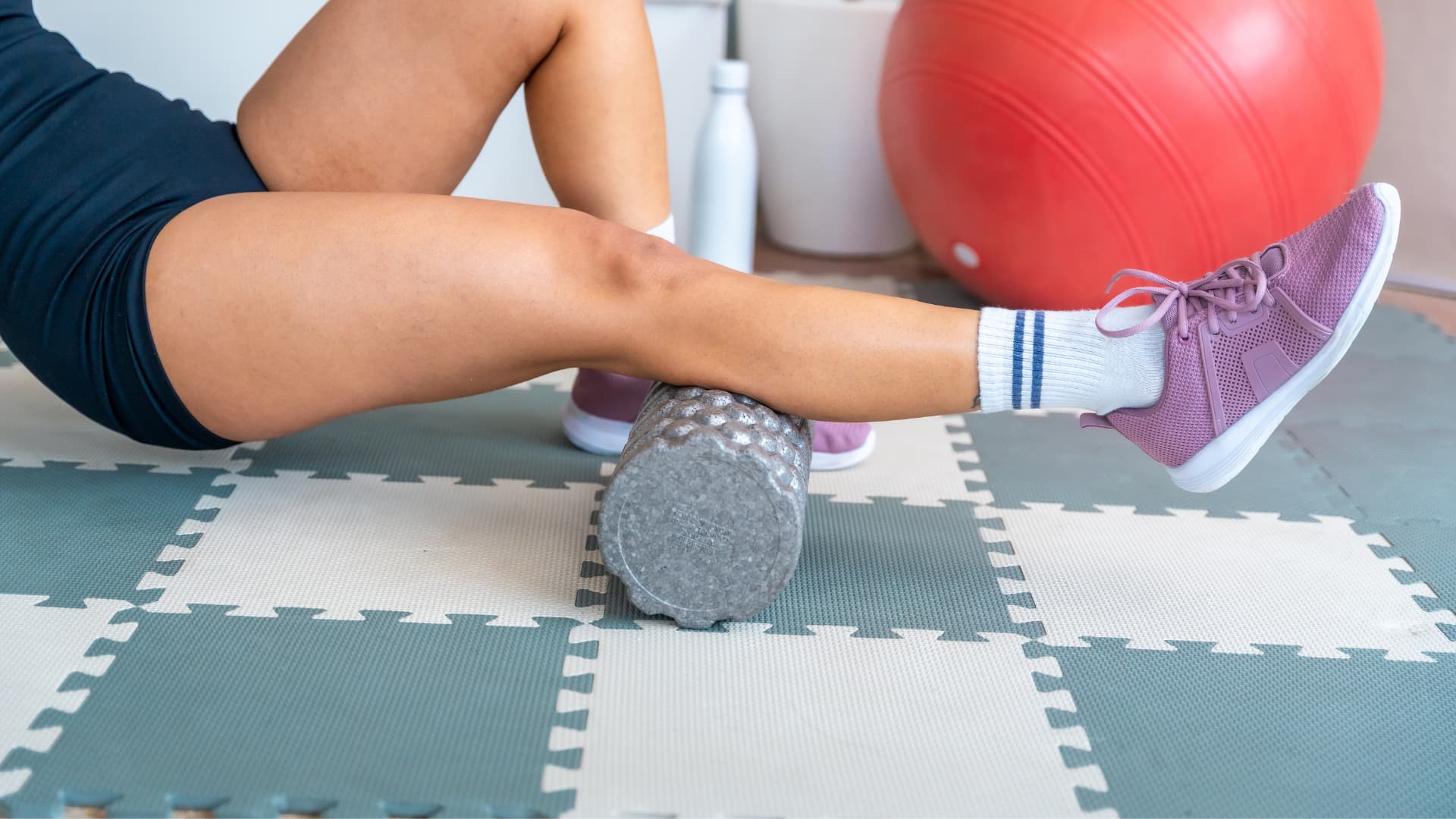
Recovery is not the absence of training. For competitive athletes, it is one of the most important phases of the entire performance cycle. How an athlete recovers from injury and how structured that process is directly determines whether they return to competition stronger or more vulnerable than before. At Idaho Sports Medicine Institute, sports performance recovery in Boise is built around the understanding that returning to sport is not just about getting out of pain. It is about rebuilding the physical foundation that enables sustained, high-level performance.
The difference between an athlete who returns to full competition and one who cycles through recurring injuries often comes down to the quality and completeness of their recovery program. A structured, progressive approach changes that outcome significantly.
What Is Included in Sports Performance Recovery in Boise?
Sports performance recovery is a more comprehensive process than standard injury rehabilitation. Where basic rehabilitation focuses on healing the injured structure and restoring functional movement, performance recovery goes further by addressing the full range of physical qualities an athlete needs to compete at their best.
A complete sports performance recovery program at ISMI typically includes:
- Injury-specific rehabilitation targeting the affected structure through progressive loading, range of motion restoration, and tissue remodeling protocols tailored to the injury type and severity
- Strength and power rebuilding through phased resistance training that restores not just baseline strength but the explosive capacity athletes rely on during competition
- Neuromuscular re-education to restore the communication between the nervous system and the muscles controlling the injured area, which is often disrupted following injury or surgery
- Movement pattern correction addressing the compensations and biomechanical habits that developed during injury or prior to it, which, if left unaddressed, significantly increase reinjury risk
- Cardiovascular conditioning to rebuild aerobic and anaerobic fitness that declines during recovery, ensuring athletes can handle the physical demands of their sport before returning
- Sport-specific functional training that replicates the movement demands, speeds, and loads of the athlete's specific sport in a controlled, progressive setting
- Psychological readiness support to address fear of reinjury and rebuild confidence in the injured area under progressively demanding conditions
- Return-to-sport testing and clearance using objective functional benchmarks to confirm the athlete is genuinely ready to compete, not just pain-free
The physical therapy and sports rehabilitation team at ISMI coordinates these elements into a unified program that guides athletes through recovery with purpose and precision.
How Does an Athlete's Recovery Program in Boise Restore Strength and Stability?
Restoration of strength and stability is the backbone of any effective athlete recovery program in Boise. When an injury occurs, the body's response creates a cascade of changes that extend well beyond the injury site. Muscles surrounding the injured area contract to protect it. Movement patterns shift to offload pain. Cardiovascular conditioning declines during periods of reduced activity. Each of these adaptations makes sense in the short term but becomes a liability if it is not systematically addressed during recovery.
The process of restoring strength and stability follows a deliberate progression:
Phase One: Establish a Safe Base
Early in recovery, the focus is on restoring basic muscle activation and joint control without placing excessive stress on healing tissue. Isometric exercises, gentle range-of-motion work, and neuromuscular activation drills form the foundation. The goal is to wake up the muscles surrounding the injury and begin restoring their ability to support the joint before heavier loading begins.
Phase Two: Progressive Strength Building
As tissue healing advances and basic activation is established, resistance training is introduced and progressively increased. Exercises are selected to target the specific muscle groups most critical to the athlete's injury and sport demands. Limb symmetry is tracked throughout this phase, with providers monitoring the strength difference between the injured and uninjured sides to guide progression decisions.
Phase Three: Dynamic Stability and Power
Once foundational strength meets established benchmarks, training shifts toward dynamic stability and power development. Single-leg exercises, plyometric progressions, and reactive drills challenge the neuromuscular system under conditions that more closely mirror the demands of competition. This phase bridges the gap between gym-based rehabilitation and real sport performance.
Phase Four: Sport-Specific Integration
The final phase of strength and stability restoration integrates everything into sport-specific contexts. Athletes practice the actual movement patterns of their sport at progressively higher speeds and intensities, with providers monitoring movement quality and fatigue response. This phase confirms that the strength built during rehabilitation transfers effectively to the demands of competition before full return to play is approved under ISMI's return-to-play framework.
How Does a Return to Sport Program in Boise Reduce Re-Injury Risk?
Reinjury is one of the most significant risks athletes face when returning to competition after a sports injury. It is also one of the most preventable. The factors that drive reinjury are well understood: returning too soon, residual strength deficits, unresolved movement compensations, and psychological unreadiness. A well-structured return-to-sport program in Boise directly addresses each of these factors before the athlete steps back onto the field.
Here is how each of those factors is managed through a structured recovery program:
Objective Clearance Criteria Replace Timeline-Based Decisions
One of the most important shifts in modern sports medicine is moving away from fixed recovery timelines toward criteria-based return-to-sport. Rather than clearing an athlete at a set number of weeks post-injury or post-surgery, ISMI uses functional benchmarks, including strength symmetry testing, hop testing, movement quality assessment, and sport-specific performance evaluation to determine readiness. An athlete who has not met those benchmarks does not return, regardless of where they fall on the calendar.
Movement Compensations Are Identified and Corrected
Many reinjuries occur not because the original injury site failed, but because compensatory movement patterns developed during recovery place excessive stress on surrounding structures. A thorough return-to-sport program screens for these compensations and corrects them before they become new problems.
Graduated Exposure Reduces Shock to the System
Athletes who go directly from rehabilitation to full game situations expose their bodies to a sudden spike in load that recovering tissue may not yet be prepared to handle. A structured return-to-sport program builds exposure progressively, starting with controlled participation in practice and advancing through scrimmages and full training loads before the competitive return.
Psychological Readiness Is Treated as a Clinical Variable
Fear of reinjury affects movement quality, decision-making speed, and confidence under pressure. Athletes who return before they are psychologically ready tend to subconsciously protect the injured area in ways that alter their mechanics and increase the risk elsewhere. Addressing psychological readiness as part of the return-to-sport process, rather than as an afterthought, significantly improves outcomes.
For athletes recovering from specific structural injuries, ISMI's condition-specific rehabilitation pathways, including ACL tears, meniscus tears, rotator cuff injuries, and ankle sprains, incorporate all of these principles into a coordinated recovery plan managed by the orthopedic surgery and sports medicine team alongside the rehabilitation specialists.
Build Your Recovery Plan with Idaho Sports Medicine Institute
Getting back to competition is the goal. Getting back prepared to perform and stay healthy is the standard. Idaho Sports Medicine Institute provides athlete recovery programs in Boise designed to rebuild the full physical foundation athletes need to compete at their best, not just clear a minimum threshold to return.
If you are working through a sports injury and want a recovery plan built around performance, contact Idaho Sports Medicine Institute today to schedule an evaluation and take the first step toward a stronger, more confident return to sport.