
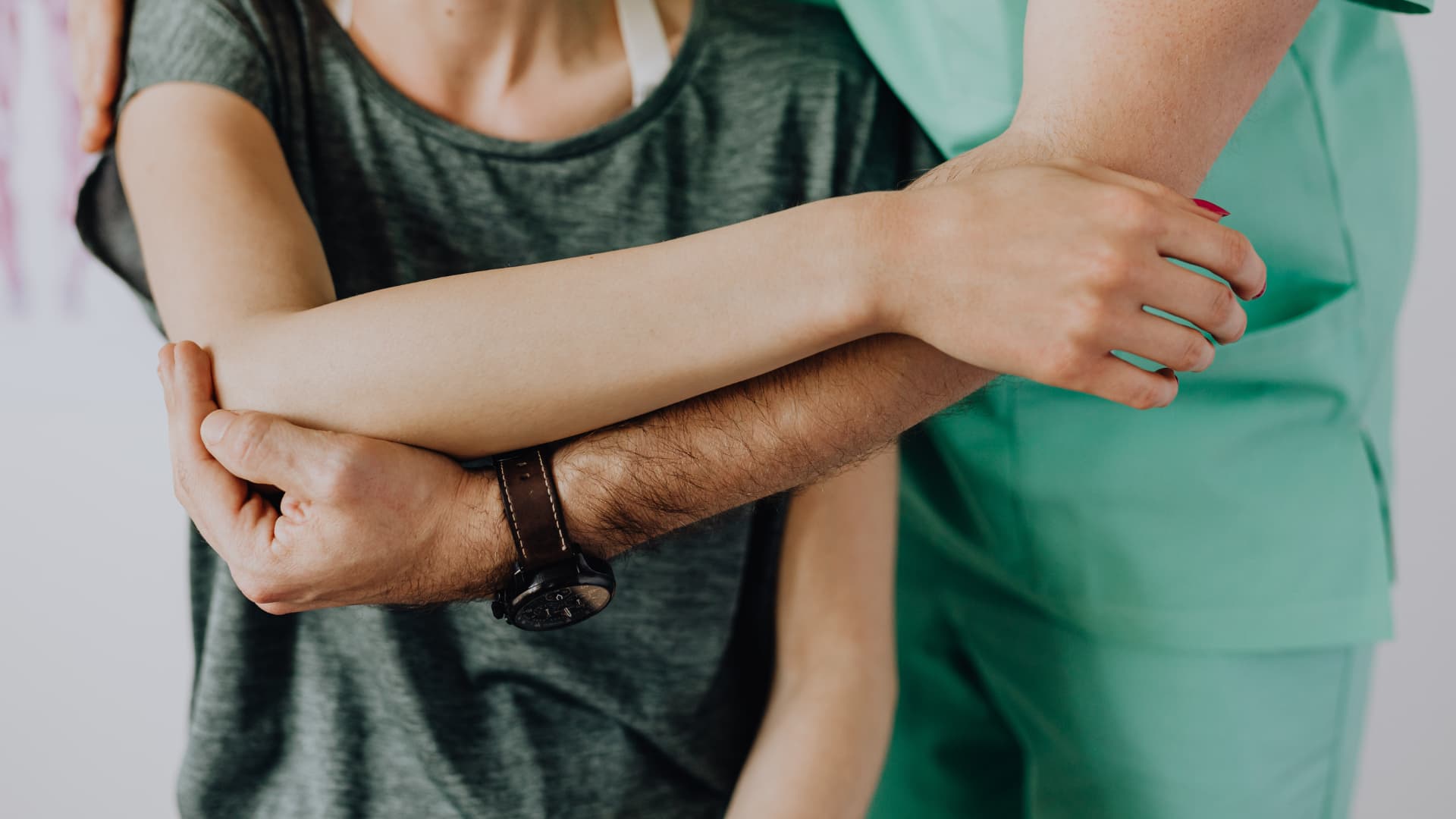
The shoulder is one of the most dynamic and mobile joints in the body. For athletes, it is also one of the most vulnerable due to its increased mobility. Whether the injury came from a single traumatic event or built up gradually over a season of repetitive overhead movement, a shoulder injury that does not respond to conservative care can be a serious obstacle to performance and daily function. When surgery becomes the right path forward, understanding what to expect makes the entire process less daunting and recovery more effective. At Idaho Sports Medicine Institute, shoulder surgery for athletes in Boise is approached with precision, sport-specific insight, and a recovery plan focused on returning to full performance.
When Is Shoulder Surgery for Athletes in Boise Necessary?
For many shoulder injuries, conservative treatment, including physical therapy, activity modification, and targeted rehabilitation, is the starting point. Surgery becomes necessary when that conservative approach has been given a fair trial and has not produced the functional improvement the athlete needs, or when the structural damage is severe enough that non-surgical care cannot adequately address it.
Common shoulder conditions in athletes that may ultimately require surgical intervention include:
- Rotator cuff tears that are full-thickness or involve significant tissue damage limit strength and function despite rehabilitation. Learn more about rotator cuff tears and their treatment at ISMI.
- Labral tears involve the cartilage rim of the shoulder socket, which can cause instability, pain, and a catching sensation during movement. ISMI treats both labral tears of the shoulder and related conditions.
- Shoulder impingement that has not resolved with conservative care and is limiting an athlete's ability to train or compete. More information on shoulder impingement is available on the ISMI conditions page.
- Shoulder instability and dislocation, where the joint repeatedly gives way or has dislocated, creating ongoing functional limitations and reinjury risk
- Biceps tendon ruptures that affect strength and function in overhead and throwing athletes. ISMI also treats biceps ruptures conservatively and surgically, depending on severity.
The decision to move forward with sports injury surgery in Boise is made collaboratively. Providers weigh the athlete's diagnosis, activity level, competitive goals, imaging findings, and response to prior treatment before recommending a surgical approach. No two athletes arrive at that decision the same way.
What Should Athletes Expect After Sports Injury Surgery?
Recovery from shoulder surgery follows a structured progression. Athletes who understand each phase before they begin are better prepared to move through it with realistic expectations and strong adherence to their plan.
Immediately After Surgery
Most shoulder procedures at ISMI are performed on an outpatient basis, meaning athletes go home the same day. The shoulder will be placed in a sling to protect the repair, and pain management in the first 24 to 72 hours typically involves a combination of prescribed medication, icing protocols, and elevation. A follow-up appointment is scheduled within the first week to assess healing and review wound care.
Early Rehabilitation: Weeks One Through Six
During the early post-operative phase, the primary goals are to protect the surgical repair, manage swelling, and begin gentle range-of-motion work. Physical therapy typically begins within the first one to two weeks, depending on the procedure. Early movement is important for preventing scar tissue buildup and joint stiffness, but it is carefully controlled to avoid placing stress on healing tissue before it is ready.
Strength and Functional Rebuilding: Weeks Six Through Twelve
Once the initial healing phase is complete and the range of motion has been restored to a functional level, rehabilitation shifts toward rebuilding strength and neuromuscular control. Exercises become progressively more demanding, and sport-specific movement patterns are introduced in a controlled setting.
Return to Sport: Three to Twelve Months
The timeline for return to full sports activity after shoulder surgery varies depending on the procedure and the demands of the athlete's sport. General timelines include:
- Rotator cuff repair: 4 to 6 months for non-overhead athletes, 9 to 12 months for overhead athletes and throwers
- Labral repair: 4 to 6 months for most sports, closer to 6 months for contact sports
- Biceps tendon repair: 3 to 5 months for most athletes, longer for heavy overhead demands
- Shoulder stabilization: 5 to 6 months before return to contact or collision sports
These timelines are milestones, not guarantees. Athletes advance when they meet objective benchmarks for strength, stability, and movement quality, not simply when a fixed number of weeks have passed.
How Does Orthopedic Surgery for Athletes in Boise Support Performance?
A common concern among athletes facing shoulder surgery is whether they will ever feel the same again. For many, the answer is not just yes, but that they return with greater body awareness, better movement mechanics, and a stronger foundation than they had before the injury.
Orthopedic surgery for athletes in Boise is not simply about repairing damage. When it is paired with a sport-specific rehabilitation program, it becomes part of a broader process of rebuilding the athlete from the ground up. Rehabilitation after shoulder surgery addresses not just the repaired structure but the surrounding muscles, movement patterns, and biomechanical habits that may have contributed to the original injury.
Several factors make the post-surgical rehabilitation process particularly valuable for long-term performance:
Identifying and correcting contributing factors. Surgery repairs the structural problem, but physical therapy identifies the movement deficiencies, strength imbalances, and technique issues that placed excessive stress on the shoulder in the first place. Correcting those factors reduces the risk of future injury.
Restoring full functional capacity. A successful surgical outcome is not measured by pain relief alone. Athletes are evaluated on strength symmetry, range of motion, sport-specific performance, and psychological readiness before being cleared for full return. This standard ensures they return genuinely ready to compete.
Building a stronger return. Athletes who complete a thorough post-surgical rehabilitation program often report feeling more confident in their shoulder than they did before the injury, particularly when instability or chronic pain had been limiting them for an extended period prior to surgery.
The orthopedic surgery and sports medicine team at ISMI works alongside the physical therapy team throughout the recovery process to ensure continuity of care from the operating room through full return to sport.
Plan Your Shoulder Surgery Recovery with Idaho Sports Medicine Institute
A shoulder injury does not have to end an athletic career. With the right surgical approach and a rehabilitation plan built around performance, most athletes return to the sport they love stronger and more prepared than before. Idaho Sports Medicine Institute brings together orthopedic surgeons and sports rehabilitation specialists to support athletes through every phase of the process.
If you are dealing with a shoulder injury and want to understand whether surgery is the right next step, contact Idaho Sports Medicine Institute today to schedule an evaluation and get a clear picture of your options.