
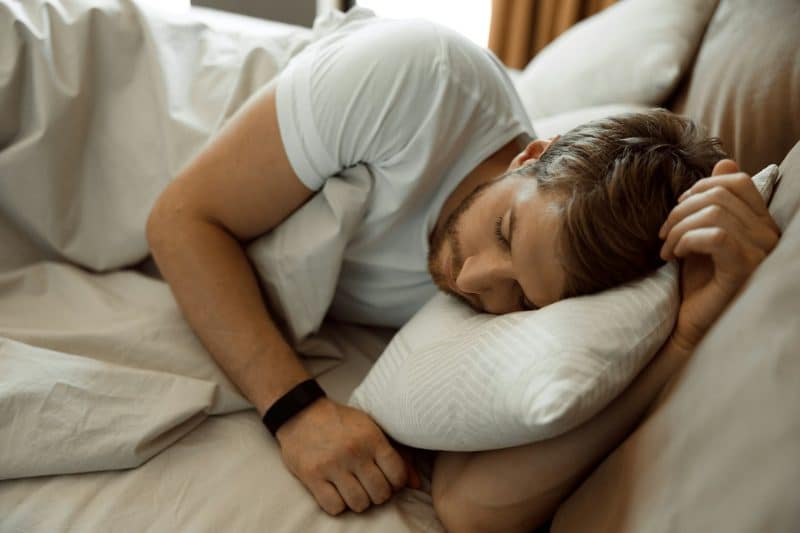
Sleep – often overlooked yet profoundly essential to an athlete’s overall success – plays a pivotal role in achieving peak performance, promoting efficient recovery, and maintaining physical and mental health. At ISMI, we strive to equip elite athletes and active Idahoans with the necessary knowledge and resources to excel in their sports endeavors while remaining committed to our philosophy of providing expert guidance and compassionate care. Our content mirrors our dedication, striking a balance between a seasoned physiotherapist’s precision and the empathy of a trusted friend.
In this comprehensive article, we will delve into the various ways in which sleep contributes to athletic success, highlighting its role in physical recovery, cognitive function, and immune system health. Additionally, we’ll emphasize the potential negative impact of sleep deprivation on performance and overall well-being. Importantly, we will provide practical tips and recommendations for optimizing sleep quality, including establishing a sleep routine, creating a sleep-friendly environment, and managing pre-competition anxiety.
The Impact of Sleep on Athletic Performance and Recovery
Sleep is a vital component of overall well-being, and its influence on athletic performance cannot be overstated. Here, we delve into the various ways in which sleep directly impacts athletic success:
Physical Recovery
Adequate sleep is essential for efficient muscle repair, growth, and adaptation. During deep sleep, the body releases growth hormones which stimulate muscle recovery and growth, particularly after intense workouts. Moreover, sleep helps regulate the production of cortisol – a hormone associated with stress – allowing for better muscle recovery and reduced inflammation.
Cognitive Function and Emotional Regulation
Sleep is crucial for maintaining optimal cognitive performance, including memory consolidation, learning, and decision-making. A good night’s rest helps restore and improve focus, alertness, and reaction time – all of which are vital for athletes during training and competition. Additionally, proper sleep is associated with better emotional regulation, which is critical for managing stress and maintaining a positive mindset during high-pressure situations.
Immune System Health
A robust immune system is vital for athletes to avoid illness and maintain overall health. Sleep helps strengthen the immune system by promoting the production of cytokines – proteins responsible for fighting inflammation and infection. Consistently skimping on sleep can suppress the immune system, increasing an athlete’s susceptibility to illness and disrupting training or competition schedules.
The Consequences of Sleep Deprivation
The detrimental effects of sleep deprivation directly impact athletic performance and overall well-being, including:
- Reduced Endurance and Strength: Sleep deprivation can lead to decreased energy levels and depleted glycogen stores, impairing endurance and strength performance.
- Slower Reaction Time: Sleep-deprived athletes may suffer from impaired focus and alertness, resulting in slower reaction times during events that require split-second decision-making.
- Weakened Immune System: Chronic sleep deprivation negatively affects the immune system, making athletes more susceptible to illness and injury.
- Emotional and Mental Distress: Consistently inadequate sleep can contribute to stress, anxiety, and mood disorders, hindering an athlete’s capacity to cope with the pressures of training and competition.
Tips for Optimizing Sleep Quality
To ensure you are consistently setting the stage for quality sleep, consider the following recommendations:
Establish a Sleep Routine
Creating a consistent bedtime routine and sleep schedule helps regulate the body’s internal clock, promoting better sleep quality. Aim to go to bed and wake up at the same time each day – even on weekends and rest days – to solidify your sleep pattern.
Create a Sleep-Friendly Environment
Design a sleep-conducive environment by eliminating distractions in the bedroom. This includes turning off electronics, maintaining a cool and comfortable temperature, and minimizing noise and light exposure.
Manage Pre-Competition Anxiety
High-stress situations, such as pre-competition anticipation, can disrupt sleep quality. Implement relaxation techniques – such as deep-breathing exercises, meditation, or progressive muscle relaxation – to help manage anxiety and promote better sleep.
Prioritize Rest for Traveling Athletes
Athletes who often travel for competitions may experience jet lag, which can disrupt sleep and negatively impact performance. When traveling across time zones, gradually adjust your sleep schedule several days before departure to minimize jet lag symptoms.
Conclusion
Quality sleep is essential to athletic success, playing a crucial role in physical recovery, cognitive function, and overall health. By understanding the powerful impact of sleep on performance and recovery, athletes can prioritize rest and make informed decisions to optimize their well-being and athletic achievements.
At ISMI, we are dedicated to empowering elite athletes and active Idahoans with the knowledge and resources necessary to excel in their sports endeavors. Embrace the power of sleep as a critical component of your athletic journey, and invest in your well-being for continued success in the active lifestyle of Boise and beyond. Get in touch with our sports medicine clinic today to learn how we can help!