
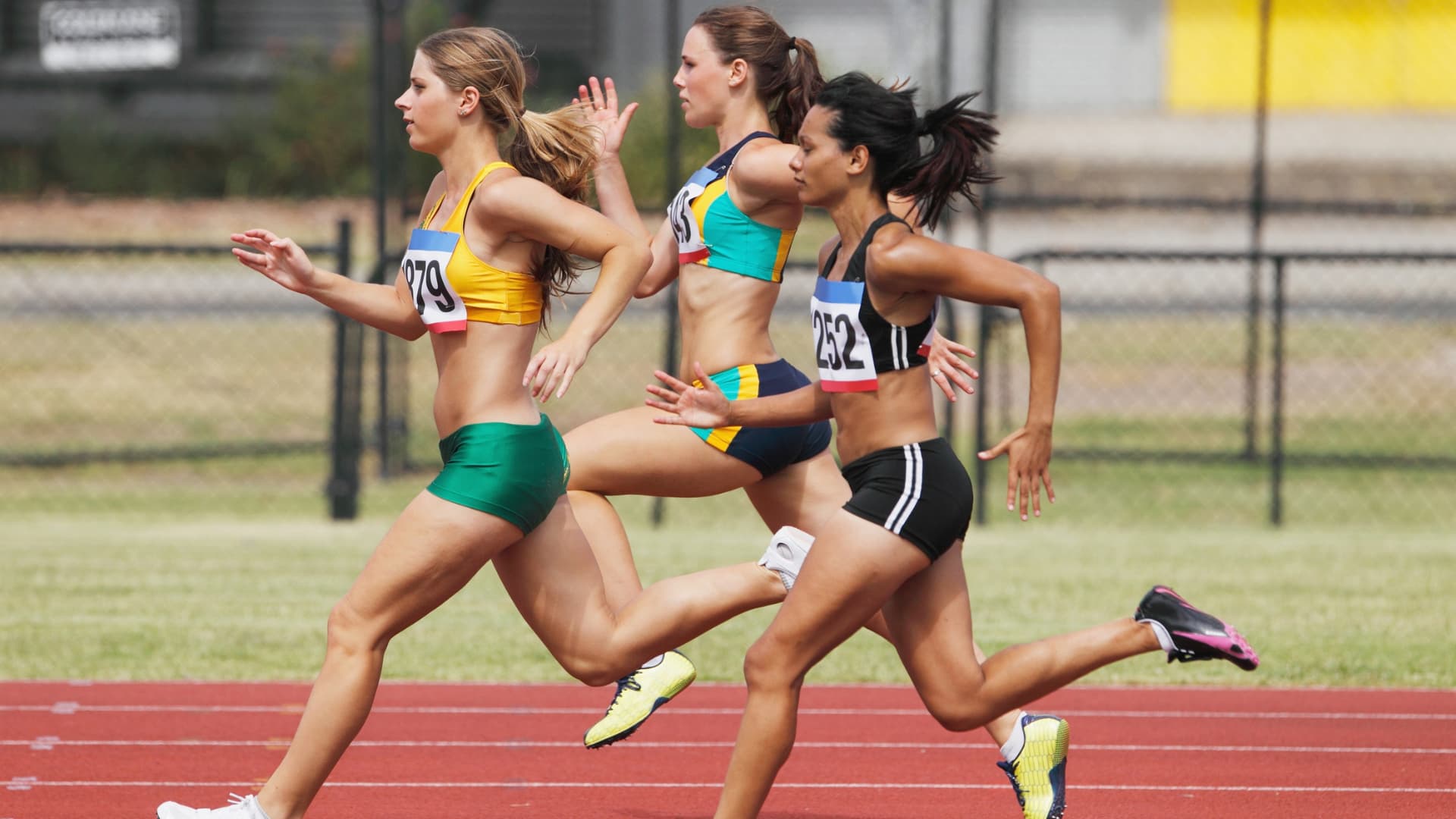
Not every sports injury can be resolved through physical therapy and conservative care alone. Some injuries require surgical intervention to restore the structural integrity that allows an athlete to compete, train, and move without limitation. When that is the case, the type of surgery and the quality of post-operative care become the deciding factors in how well and how quickly an athlete recovers. At Idaho Sports Medicine Institute, orthopedic surgery for athletes is approached with precision, modern techniques, and a recovery plan that begins before the procedure.
Understanding what modern orthopedic surgery looks like, what recovery involves, and what realistic timelines to expect helps athletes make informed decisions and enter the process with confidence rather than anxiety.
What Makes Minimally Invasive Orthopedic Surgery Different?
The field of orthopedic surgery has advanced significantly over the past two decades. Where older surgical approaches often required large incisions, extended hospital stays, and lengthy recovery periods, minimally invasive orthopedic surgery offers a fundamentally different experience.
Minimally invasive techniques use smaller incisions, specialized instruments, and, in many cases, arthroscopic cameras, allowing surgeons to operate with a high degree of precision while causing significantly less disruption to surrounding tissue. The benefits of this approach are well documented and include:
- Reduced surgical trauma to muscles, tendons, and soft tissue surrounding the injury site
- Lower risk of infection due to smaller incision size
- Decreased post-operative pain compared to traditional open procedures
- Shorter hospital stays with many procedures performed on an outpatient basis
- Faster return to rehabilitation because the body has less overall damage to recover from
- Smaller scarring with less impact on long-term tissue health
Common minimally invasive procedures used in sports medicine include arthroscopic ACL reconstruction, rotator cuff repair, meniscus surgery, labral repairs of the hip and shoulder, and hip and knee replacements
For competitive athletes, every week of recovery matters. Minimally invasive approaches help compress that timeline without compromising the quality or durability of the repair.
What Should Athletes Expect After Sports Injury Surgery?
Knowing what to expect after sports injury surgery removes much of the uncertainty from the recovery process. The days and weeks immediately following a procedure are critical, and athletes who understand the process are better equipped to navigate it successfully.
The First 24 to 72 Hours
The immediate post-operative period focuses on pain management, control of swelling, and protection of the surgical site. Athletes are sent home the same day with specific instructions regarding weight-bearing, ice application, elevation, and wound care. A follow-up appointment is typically scheduled within the first week to monitor healing and remove any sutures or staples.
Early Rehabilitation Begins Sooner Than Most Expect
One of the most important shifts in modern orthopedic care is the earlier onset of rehabilitation. Waiting too long to start movement can lead to scar tissue buildup, muscle atrophy, and joint stiffness, which can complicate the later stages of recovery depending on the surgery. Physical therapy often begins within days of surgery, starting with gentle range-of-motion exercises and progressing based on how the tissue responds.
Milestones Replace a Fixed Timeline
Rather than following a rigid week-by-week schedule, modern post-surgical rehabilitation is milestone-driven. Athletes advance through phases of care when they demonstrate the strength, stability, and movement quality needed to progress safely. This approach protects the surgical repair while keeping recovery moving forward.
Athletes should also expect:
- Swelling and bruising that gradually resolve over the first few weeks
- Temporary changes in sleep quality due to discomfort or positional restrictions
- Emotional fluctuations are a normal part of any significant recovery process
- Regular check-ins with both the surgeon and physical therapist to track progress
How Long Does Orthopedic Surgery Recovery Take for Competitive Athletes?
One of the most common questions athletes ask before surgery is how long orthopedic surgery recovery takes. The answer is that it depends on the procedure, the athlete's overall health, the quality of their rehabilitation, and how well they adhere to their care plan.
That said, general timelines for common sports surgeries give athletes a realistic framework to plan around:
- ACL reconstruction: 9 to 12 months for full return to competitive sport, though some athletes return closer to the 12-month mark when sport-specific testing is used to confirm readiness
- Rotator cuff repair: 4 to 6 months for overhead activity, with a full return to throwing sports often taking 6 to 12 months, depending on the tear size
- Meniscus repair: 3 to 7 months, depending on the location and complexity of the repair
- Labral repair (hip or shoulder): 4 to 6 months for most athletes, with contact sport return closer to 6 months
- Ankle ligament reconstruction: 3 to 5 months with consistent rehabilitation
It is also worth noting that returning to sport pain-free is not the same as being fully recovered. Strength symmetry, movement quality, and sport-specific performance benchmarks should all be met before an athlete returns to full competition.
Plan Your Recovery with Idaho Sports Medicine Institute
Surgery is not the end of an athlete's story. With the right surgical approach and a rehabilitation plan built for performance, it can be the beginning of a stronger return. Idaho Sports Medicine Institute brings together orthopedic surgeons and sports rehabilitation specialists to support athletes through every phase of the surgical process, from pre-operative preparation to full return to sport.
If you are considering orthopedic surgery or want to understand your options, contact Idaho Sports Medicine Institute today to speak with a specialist and develop a recovery plan tailored to your goals.