
Core strength is more than just a fitness buzzword; it’s a fundamental part of athletic performance. Whether you’re sprinting down a field or gliding through water, a solid core promotes efficient movement, supports balance, and stabilizes your body. For athletes, cultivating core strength can make a significant difference in how they perform and prevent injuries. It serves as a powerhouse, allowing for optimal energy transfer in every move.
So, why focus on core strength? A strong core is essential for athletes engaged in any sport. It enhances power output and agility, helping them push further and maintain form throughout their activities. Without a stable core, other muscles can become overworked, increasing the risk of injury. Think of a gymnast performing a perfect routine; it’s the unseen core muscles that provide the grace and precision visible in every leap and twist. Understanding the role and function of core strength can empower athletes to reach their full potential, performing better and safer.
Understanding Core Strength
Core strength refers to the ability of muscles in the torso to support both the upper and lower body. These muscles include the abdominals, obliques, lower back, and hips. Together, they form a supportive framework that is crucial for maintaining balance and posture. Unlike some might think, core strength isn’t just about having a six-pack; it’s about having control and stability.
The core acts as the central link between the upper and lower body. When performing activities that involve physical exertion, whether it’s swinging a bat or making a sharp turn, the core stabilizes the body, enabling precise and controlled movements. This connection aids in transferring energy and torque efficiently through the limbs, thereby enhancing performance and reducing fatigue.
Key muscles that contribute to core strength include:
– Rectus Abdominis (Abs): This front muscle, commonly associated with the “six-pack,” plays a key role in flexing the spine and stabilizing the pelvis.
– Obliques: Located on the sides of the abdomen, these muscles allow you to twist and bend.
– Transverse Abdominis: Sitting deep within, this muscle acts like a natural brace for your spine.
– Lower Back Muscles: These help maintain posture and facilitate back extension.
The strength of these muscles collectively determines how well an athlete can maintain stability and transfer energy throughout various physical tasks. Understanding these basics facilitates smarter training and can lead to significant improvements in athletic abilities.
Benefits of Core Strength for Athletes
Core strength offers many benefits for athletes striving to improve their performance. One of the key advantages is enhanced performance. A strong core contributes to better agility, allowing athletes to maneuver quickly and efficiently. Whether sidestepping an opponent in football or executing a precise swing in tennis, a powerful core provides balance and increased power, making movements more effective and controlled.
Another important benefit is injury prevention. A well-conditioned core supports the body’s structure, helping to distribute loads evenly across muscles and joints. This stability reduces the chances of straining other parts of the body during intense activities. Imagine a runner who can maintain proper posture thanks to their core; they’re less likely to suffer from the aches or repetitive stress injuries that can sideline less-prepared athletes.
Core strength also improves endurance. A stabilized torso helps athletes maintain energy levels, allowing them to push through longer training sessions without tiring as quickly. This provides an edge in sports like distance running or cycling, where sustained performance over time often makes the difference between winning and falling behind.
Core Strengthening Exercises for Athletes
Building core strength doesn’t have to be complicated. Here are some effective exercises that athletes can incorporate into their routines:
1. Planks and Variations:
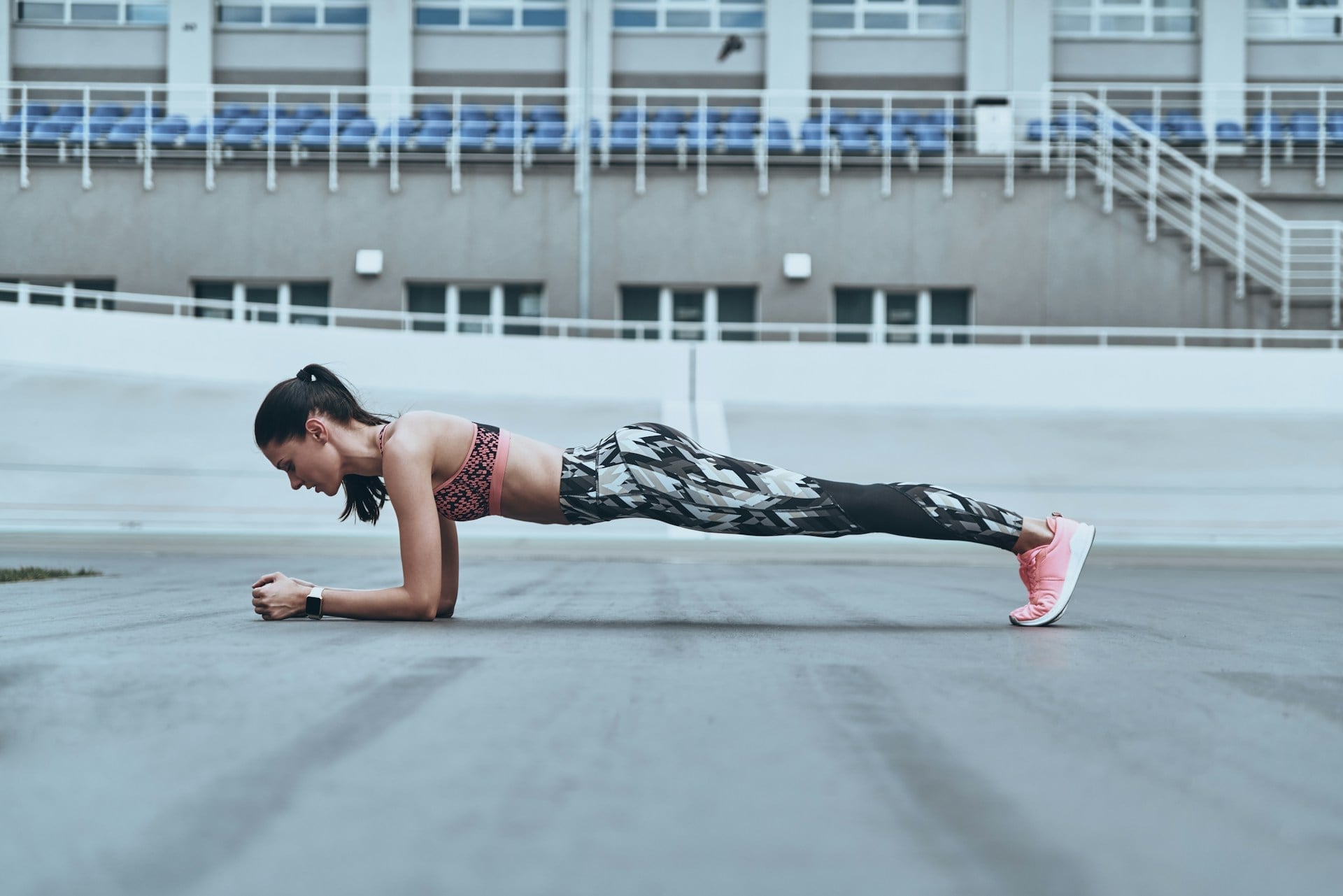
– Forearm Planks: Engage your core by holding your body straight from head to heels. Forearm planks build stability and endurance.
– Side Planks: Target your obliques by balancing on one forearm and the side of your foot.
– Plank with Leg Lift: Add a challenge by lifting one leg at a time for added difficulty and benefit.
2. Medicine Ball Exercises:
– Russian Twists: Sitting with your legs raised off the ground, twist your torso to move the medicine ball from side to side. This engages both the front and side core muscles.
– Medicine Ball Slams: Lift the ball overhead, slam it to the ground, catch, and repeat. This exercise improves explosiveness and power.
3. Pilates:
– The Hundred: Strengthen your abdominals and improve your breathing technique through controlled arm movements and deep breathing.
These exercises can be tailored to various intensity levels and can fit into most training schedules. They require minimal equipment and are versatile enough to be performed almost anywhere.
Incorporating Core Strength in Physical Therapy for Sports
A good physical therapy program emphasizes the importance of core strength. Working with a physical therapist can help athletes develop a core-strengthening routine that is specific to their needs and sports activities. A therapist collaborates with athletes to create exercises that address their unique movement patterns and strengths, helping them safely build their core over time.
Personalized exercise plans take into account different sports demands and individual fitness levels. Every athlete requires a program that adapts to their changing body and goals, ensuring they get the most from their workouts without risking injury.
Motivation plays a big role in sticking with a core program. Here are a few tips to keep athletes engaged:
– Set achievable goals and celebrate small victories.
– Vary exercises to minimize boredom.
– Track progress to see improvements and boost confidence.
Achieve Peak Performance with Stronger Core
Understanding and building core strength is an integral part of any athlete’s journey. By focusing on exercises that enhance core stability, athletes can expect to see improvements not just in their sport but in everyday activities as well. Whether it’s crafting a routine with targeted exercises or working one-on-one with a professional, taking the time to develop this strength pays dividends.
Consistency is key. Incorporating core exercises into regular training can lead to enhanced performance, reduced injury risk, and greater overall satisfaction with one’s athletic capabilities. Committing to a balanced approach ensures that athletes can sustain their performance levels while maintaining a healthy, active lifestyle.
Building core strength is a powerful way to boost athletic performance and improve overall well-being. If you’re eager to enhance your abilities and prevent injuries, consider integrating physical therapy for sports into your training regimen. At ISMI, our team can help craft a program that keeps you on track to achieving peak performance. Discover more about how our expertise can support your active lifestyle today.