
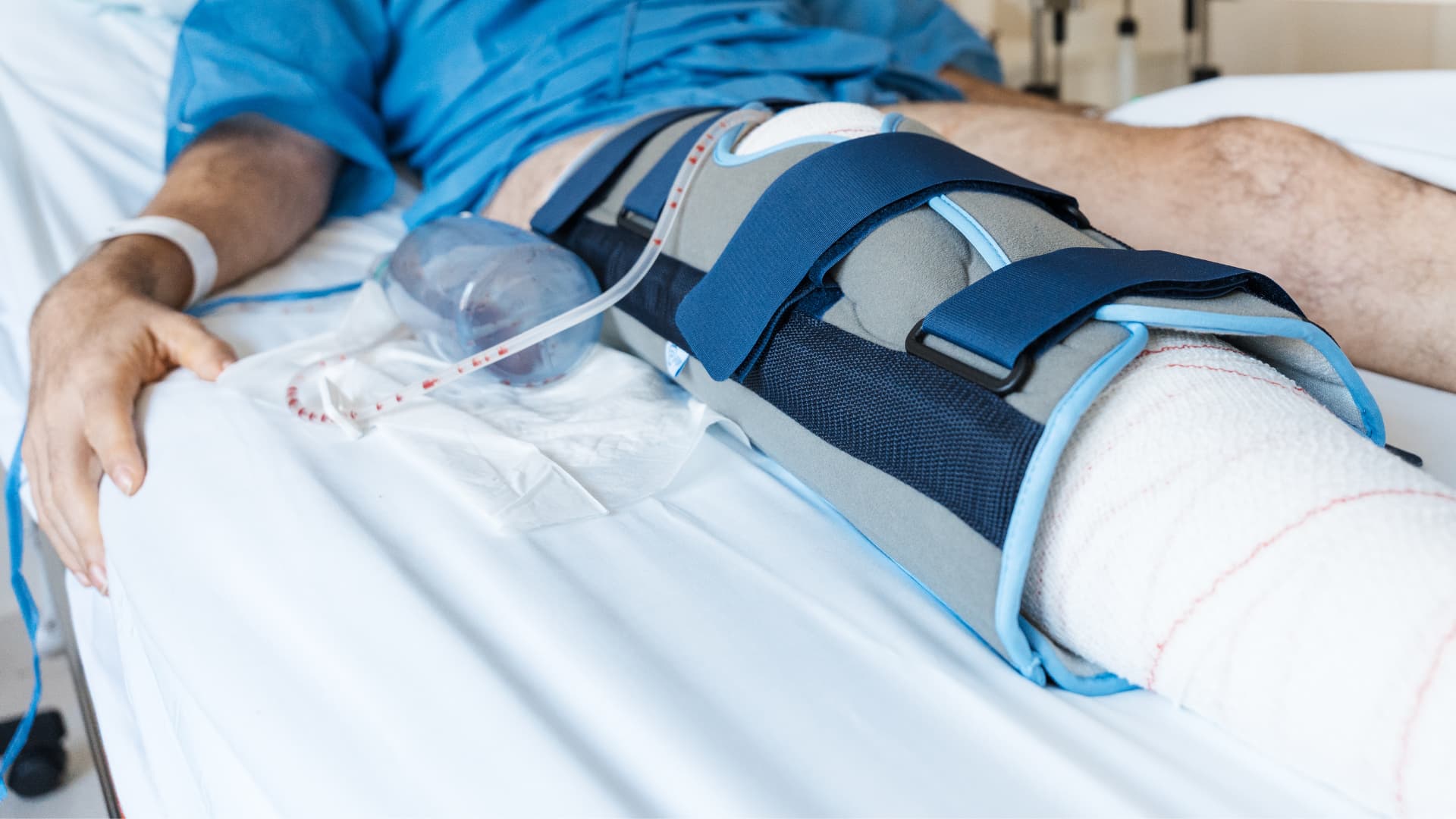
Few sports injuries carry as much weight as a torn ACL. The diagnosis alone can stop an athlete in their tracks, not just physically but mentally. The road back to competition is real, and for most athletes who commit to the full process, so is a successful return. At Idaho Sports Medicine Institute, ACL surgery in Boise is one part of a larger, carefully structured plan that begins well before the procedure and extends through every phase of recovery until the athlete is genuinely ready to compete again.
Understanding when surgery is the right call, what the surgical process involves, and what recovery realistically requires gives athletes and their families the information they need to move forward with confidence.
When Is ACL Surgery in Boise Recommended?
Not every ACL injury requires surgery. The decision depends on several factors, including the severity of the tear, the athlete's age, activity level, sport demands, and the presence of any additional structural damage to the knee, such as meniscus involvement or cartilage injury.
Surgery is typically recommended when:
- The ACL is completely torn, and the athlete wants to return to cutting, pivoting, or high-demand sport activity
- The knee demonstrates significant instability during functional testing that conservative treatment has not resolved
- Additional structures, such as the meniscus, MCL, or LCL, have also been injured and require surgical repair
- The athlete is young and active, making long-term joint health a priority that conservative management alone cannot adequately protect
- Non-surgical rehabilitation has been attempted, and the knee continues to give way during activity
For athletes who compete in sports that involve rapid changes in direction, jumping, or contact, a reconstructed ACL provides the structural stability needed to return to those demands safely. Without it, repeated episodes of instability can damage the cartilage and meniscus over time, creating problems that extend well beyond the original injury.
A thorough evaluation at ISMI, including physical examination and imaging review, determines which path is right for each individual athlete. You can review the full range of conditions treated at ISMI, including ACL injuries and associated knee conditions.
What Sets ACL Surgery at ISMI Apart?
Because ACL reconstruction is performed arthroscopically, most athletes go home the same day as surgery and begin physical therapy shortly after. This is standard across most orthopedic practices today, and it is not what sets one surgical team apart from another.
What matters more is who is performing the surgery and what happens after it. Every surgeon on the ISMI team is fellowship-trained in Orthopedic Sports Medicine, with additional sub-specialty board certification in Sports Medicine. ISMI performs more ACL reconstructions than any other practice in Idaho, and that volume of experience translates into refined surgical technique and a clear understanding of what each athlete needs to get back to their sport. Just as important, the ISMI team recognizes that performing the surgery well is only part of the equation. A structured recovery program and a clearly defined return-to-sport progression are just as critical to a successful outcome as the procedure itself.
Graft selection is an important part of the surgical conversation. Common graft options for ACL reconstruction include the patellar tendon, quadriceps tendon, hamstring tendon, and allograft tissue, each with specific advantages depending on the athlete's sport, age, and physical demands. The ISMI surgical team walks each athlete through graft options during the pre-operative consultation so the decision is fully informed.
For select patients, recent research has shown that adding a lateral extra-articular tenodesis (LET) procedure alongside ACL reconstruction may help reduce re-tear rates. This additional procedure is most often considered for athletes under 25 participating in cutting or pivoting sports, those undergoing revision surgery after a prior ACL reconstruction has failed, or patients with generalized joint hypermobility. Whether an LET is appropriate is determined on a case-by-case basis during surgical planning.
How Long Does Orthopedic Surgery Recovery Take After ACL Repair?
ACL recovery is one of the longer rehabilitation timelines in sports medicine, and it is important that athletes and their families have realistic expectations from the start. The question of how long orthopedic surgery recovery takes after ACL repair does not have a single answer, because the timeline depends on the procedure performed, the athlete's baseline fitness, the presence of any additional injuries, and how consistently they engage with rehabilitation.
That said, a general framework for ACL recovery looks like this:
Weeks One Through Six: Protection and Early Mobility
The initial phase focuses on managing swelling, protecting the graft, and restoring the range of motion. Physical therapy begins within the first week, with gentle movement and gradual progression. Weight-bearing is typically introduced early and progressed based on the athlete's response.
Weeks Six Through Twelve: Strength Rebuilding
Once early healing is confirmed and range of motion is restored to a functional level, rehabilitation shifts toward rebuilding quadriceps and hamstring strength. Closed-chain exercises, balance training, and neuromuscular control work form the foundation of this phase. Open-chain exercises are introduced as well, with specific range of motion and weight restrictions, once the physical therapist determines the athlete is ready to progress.
Months Three Through Six: Progressive Loading and Sport-Specific Training
As strength symmetry between limbs improves, training becomes progressively more demanding. Early running is often introduced around the three-month mark using the Boost, an anti-gravity treadmill that allows athletes to run with reduced body weight while strength benchmarks are still being met. Baseline testing on the Biodex is typically performed during this phase as well, establishing objective strength data used to track progress from here forward. Training then progresses to full-weight-bearing running, cutting, and jumping patterns over the following months.
Months Six Through Nine: Return-to-Sport Testing and Clearance
Before returning to full competition, athletes complete a battery of functional tests, including hop testing, isokinetic strength testing on the Biodex, and sport-specific movement evaluation. ISMI uses the Return to Play framework to ensure every athlete meets objective criteria before stepping back onto the field.
Most athletes targeting a return to competitive sport aim for the nine-to twelve-month mark. Research in sports medicine consistently shows that athletes who wait until they have met full functional criteria, rather than returning based on time alone, experience significantly lower reinjury rates. Returning too early before the graft has matured and strength has been fully restored is one of the most common causes of ACL reinjury.
What Affects the Timeline
Several factors can influence how quickly an athlete moves through recovery:
- Pre-surgical fitness level and strength going into the procedure
- Presence of additional injuries, such as meniscus or cartilage damage, repaired at the same time
- Consistency and quality of physical therapy attendance
- Sleep, nutrition, and overall recovery habits during rehabilitation
- Psychological readiness and confidence in the knee during high-demand movement
The physical therapy team at ISMI works alongside the surgical team throughout recovery to track progress, adjust the program as needed, and ensure athletes are advancing safely toward their return-to-sport goals.
Start Your ACL Recovery with Idaho Sports Medicine Institute
An ACL injury is a significant setback, but it is not the end of an athletic career. With the right surgical approach, a structured rehabilitation program, and a team that understands the demands of competitive sport, most athletes return to competition stronger and better prepared than before the injury. Idaho Sports Medicine Institute brings together Boise orthopedic surgeons and sports rehabilitation specialists to guide athletes through every phase of ACL recovery from diagnosis through full return to play.
If you have suffered an ACL injury and want to understand your options, contact Idaho Sports Medicine Institute today to schedule an evaluation and take the first step toward getting back to the sport you love.