
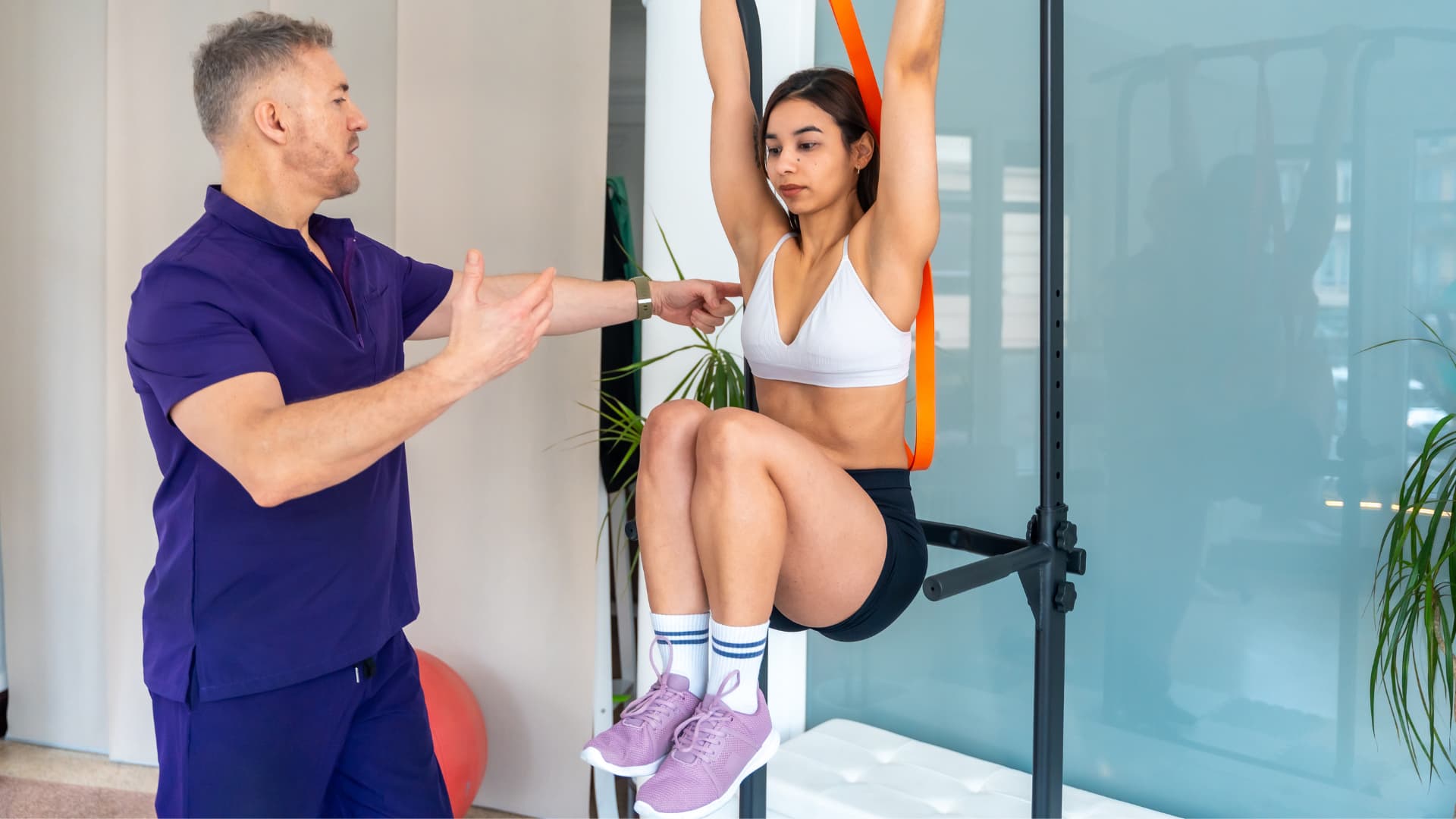
Athletes and active people tend to push through pain. It is part of the mindset that makes them good at what they do. But there is a meaningful difference between the discomfort of hard training and the kind of pain that signals something is wrong. Knowing when to seek professional care and acting on it quickly can be the difference between a minor setback and a months-long recovery. At Idaho Sports Medicine Institute, the goal is to help athletes and active individuals throughout Boise and the greater Treasure Valley receive the right care at the right time, before small problems become serious.
Whether you rolled an ankle on a trail run, felt a pop in your knee during a game, or have been dealing with nagging shoulder pain that just will not go away, knowing when to visit a sports injury clinic is the first step toward getting better.
When Should Treatment Start After a Sports Injury?
The short answer is as soon as possible. Delaying care after a sports injury rarely works in an athlete's favor. Swelling, scar tissue formation, and compensatory movement patterns can all develop quickly after an injury, and each one makes recovery more complicated than it needs to be.
That said, not every injury requires an emergency room visit. Understanding the difference between injuries that need immediate attention and those that can wait for a scheduled appointment helps athletes make smarter decisions about their care.
Seek care immediately if you experience:
- A visible deformity, significant swelling, or severe bruising following impact
- Inability to bear weight or move a joint through its normal range of motion
- A pop, snap, or tearing sensation at the time of injury
- Numbness, tingling, or loss of sensation in an injured limb
- Joint instability or a feeling that something has shifted out of place
Schedule a prompt evaluation if you experience:
- Pain that does not improve within 48 to 72 hours of rest and basic home care
- Recurring pain in the same area that keeps coming back with activity
- Swelling that persists beyond the first few days after an injury
- A gradual onset of pain during a specific activity that progressively worsens
- Pain that is affecting your sleep, daily function, or ability to train
One of the most common mistakes athletes make is waiting many weeks or months to see if something heals on its own before seeking care. In many cases, early intervention leads to faster recovery and a lower likelihood of the injury becoming chronic. This is especially true for conditions like ACL injuries, meniscus tears, and severe ankle sprains, where delayed treatment can significantly affect long-term outcomes.
What Happens During a Sports Injury Evaluation in Boise?
Knowing what to expect from a sports injury evaluation reduces uncertainty and helps athletes come prepared. At a sports injury clinic, an evaluation is not a brief check-in. It is a thorough, structured process designed to identify not just the injury but the factors contributing to it.
A comprehensive evaluation typically involves the following:
Medical History and Injury Review
The appointment begins with a conversation about how the injury occurred, how long it has been present, what makes it better or worse, and your activity level and goals. This context shapes everything that follows.
Physical Examination
The provider will examine the injured area directly, assessing range of motion, tenderness, swelling, and joint stability. Surrounding structures may also be evaluated since other injuries can accompany the primary injury. For example, a hip may be affected during a knee injury.
Functional Movement Assessment
The injury site is not always where the full story lies. If it is felt that physical therapy could be helpful, this will often include a thorough assessment of how the body moves as a whole, identifying compensation patterns, muscle imbalances, and movement deficiencies that may have contributed to the injury so they can be addressed in the treatment plan.
Imaging When Indicated
If the physical examination suggests a structural injury, such as a fracture, ligament tear, or significant soft-tissue damage, the provider will recommend appropriate imaging. X-rays, MRI, or diagnostic ultrasound may be used to confirm findings and guide the treatment plan.
By the end of the evaluation, the athlete should have a clear diagnosis or working diagnosis, an understanding of what is driving the problem, and a treatment plan with a realistic recovery timeline.
How Does a Sports Injury Clinic Decide Between Treatment Options?
Treatment decisions are never one-size-fits-all. The right approach for one athlete may be completely wrong for another, even if they present with the same injury. Several factors shape how a provider at a sports injury clinic approaches treatment planning.
Injury type and severity are the primary drivers. Soft tissue injuries, stress fractures, ligament tears, and joint instability each respond to different treatment approaches. A provider who understands sports medicine knows which conditions respond well to conservative care and which ones are more likely to require surgical intervention. You can view the full list of conditions treated at ISMI to get a sense of the range of injuries the team addresses.
The athlete's goals and timeline matter significantly. A recreational runner with a meniscus injury and a competitive soccer player with the same injury may follow different paths depending on their activity demands, competitive schedule, and long-term goals. Treatment is built around the person, not just the diagnosis.
Response to initial treatment also guides decision-making. Conservative care is almost always the starting point when appropriate. If an athlete responds well to physical therapy and targeted rehabilitation, surgery is not necessary. If conservative treatment reaches a plateau and the athlete is still unable to function at the level they need, surgical consultation becomes the next step.
Age and physical development also play a role, particularly in youth athletes, where open growth plates and ongoing skeletal development influence which treatments are safe and appropriate at a given stage.
The goal at every stage is to match the treatment to the athlete, pursue the least invasive effective option first, and escalate care only when the clinical picture calls for it. Learn more about the full range of orthopedic surgery and sports medicine services available at ISMI.
Get the Right Care at Idaho Sports Medicine Institute
Waiting too long to address a sports injury can make recovery harder. IIdaho Sports Medicine Institute brings together sports medicine physicians, orthopedic specialists, physical therapists, and an exercise physiologist under one roof to deliver coordinated, athlete-centered care from evaluation through full return to activity.
If you are dealing with a sports injury and are not sure where to start, contact Idaho Sports Medicine Institute today to schedule a sports injury evaluation in Boise and get a clear picture of what is going on and what it will take to get back to full strength.