
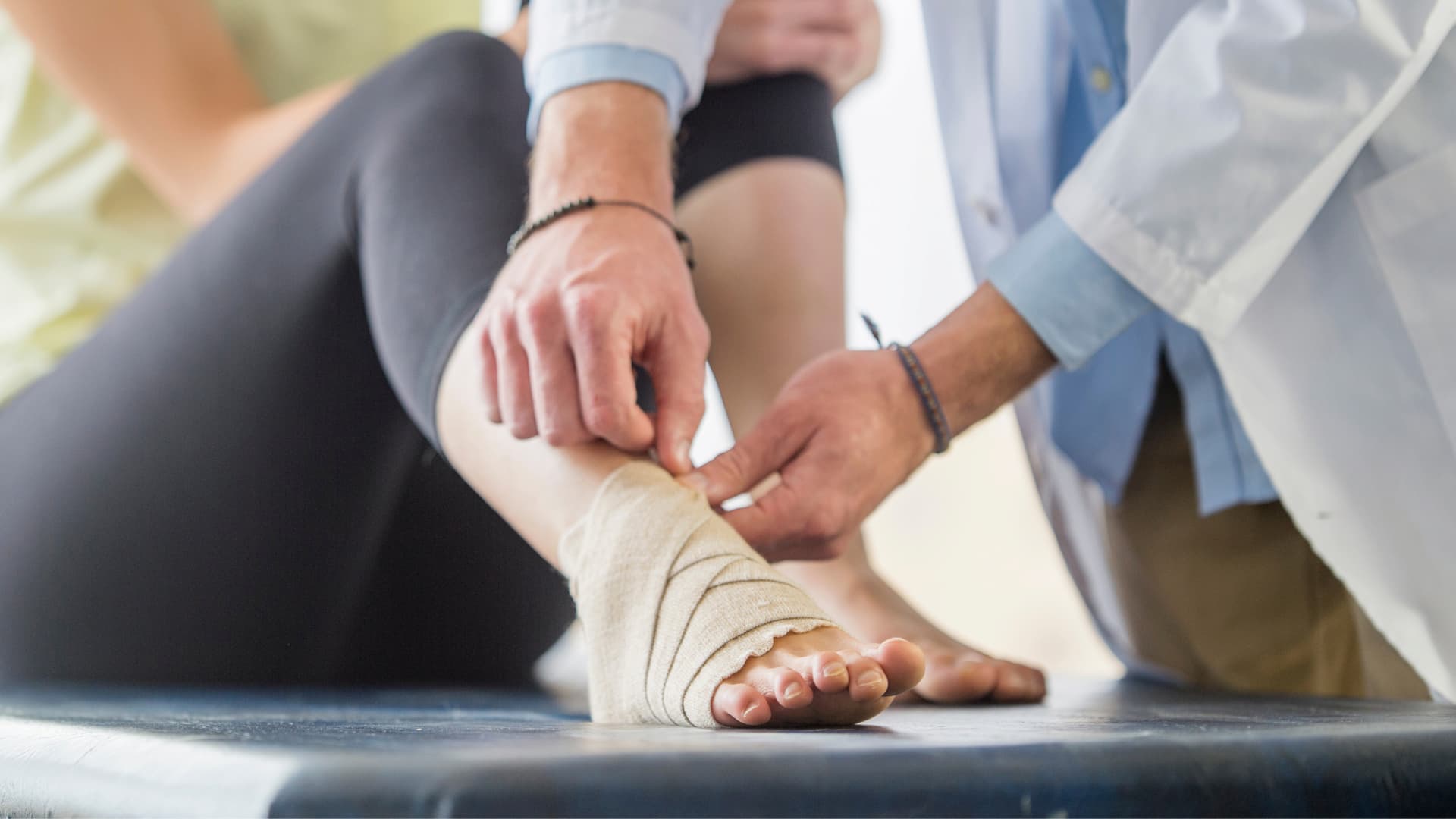
When something goes wrong with your body, the last thing you want is a guessing game. Whether you rolled your ankle on a trail run or felt a sharp pull during a weekend soccer match, getting an accurate diagnosis is the single most important step in your recovery. At Idaho Sports Medicine Institute, sports injury evaluation in Boise is the cornerstone of every care plan because the right diagnosis leads to the right treatment, and the right treatment leads to lasting results.
Too many athletes and active individuals make the mistake of pushing through pain or self-diagnosing based on past experience. What feels like a familiar strain could be a partial tear. What seems like minor knee soreness could point to a structural issue that worsens without proper care. Skipping a professional evaluation does not save time. It typically costs more of it.
How Are Sports Injuries Properly Evaluated?
A proper sports injury evaluation is far more involved than a quick physical exam. A skilled sports injury specialist in Boise will take a layered approach to understanding not just where the pain is, but why it is there and what is driving it.
A thorough evaluation typically includes:
- Detailed medical and activity history to understand how the injury occurred, how long it has been present, and what makes it better or worse
- Hands-on physical examination of the injured area, surrounding joints, and supporting muscle groups
- Range of motion and flexibility testing to identify restrictions that could be contributing to the problem
- Strength and stability assessment to uncover muscle imbalances or joint instability
- Functional movement screening to evaluate how the body moves as a whole, not just the isolated injury site
- Imaging interpretation, including X-rays, MRI, or ultrasound, when needed to confirm or rule out structural damage
This process gives providers a complete picture. Research published in PMC found that diagnostic errors in soft-tissue injuries, whether site-related or entity-related, can lead to improper treatment and untimely return to play, and that imaging combined with clinical examination is necessary to reduce misdiagnosis.
Why Does an Accurate Diagnosis Affect Treatment Outcomes?
The connection between diagnosis and outcome is direct. When a provider knows exactly what they are treating, every decision that follows becomes more precise, more efficient, and more effective.
Consider two patients with knee pain. One has a meniscus tear. The other has patellar tendinitis. Both report similar symptoms. But the treatment protocols for those two conditions are completely different. Applying the wrong approach does not just fail to help. It can actively make things worse.
An accurate diagnosis affects outcomes in several key ways:
- It ensures the treatment targets the actual source of pain, not just the symptoms
- It allows providers to set a realistic and honest recovery timeline
- It prevents unnecessary interventions, including procedures that carry their own risks
- It identifies contributing factors, such as movement patterns or muscle imbalances, that need to be addressed to prevent recurrence
- It builds patient confidence and buy-in, which research consistently links to better adherence and faster recovery
Research published in Sports Health found that psychological responses to injury, including those that stem from uncertainty about diagnosis and recovery, are associated with prolonged recovery times and reduced return-to-sport rates.
How Does Non-Surgical Sports Injury Treatment in Boise Begin?
Once an accurate diagnosis is in place, the next question is how to treat it. For the majority of sports injuries, surgery is not the first answer. Non-surgical sports injury treatment in Boise focuses on restoring function, reducing pain, and rebuilding strength through conservative, evidence-based methods.
Non-surgical treatment typically begins with a personalized care plan tailored to the specific injury, the patient's activity level, and recovery goals. From there, treatment may include:
Manual Therapy and Soft Tissue Work
Hands-on techniques such as joint mobilization, massage, and myofascial release help reduce pain, improve circulation, and restore normal tissue mobility in the early stages of recovery.
Therapeutic Exercise
Progressive, targeted exercise is the backbone of non-surgical sports injury treatment. Providers design exercise programs that rebuild strength and stability in the injured area while also correcting the movement patterns that may have contributed to the injury.
Modalities for Pain and Inflammation Management
Treatments such as ultrasound therapy, electrical stimulation, and ice or heat protocols are used strategically to manage pain and support tissue healing without relying solely on medication.
Education and Activity Modification
Understanding how to load the body appropriately during recovery is critical. Patients learn how to stay active in ways that support healing rather than set it back, which is especially important for athletes who struggle to slow down.
Get an Accurate Diagnosis at Idaho Sports Medicine Institute
Pain that goes undiagnosed does not get better on its own. It gets more complicated. The team at Idaho Sports Medicine Institute brings together sports medicine physicians, orthopedic specialists, and physical therapists to deliver thorough sports injury evaluations in Boise and build treatment plans grounded in accuracy from day one.
If you are dealing with a sports injury and want answers, not guesswork, contact Idaho Sports Medicine Institute today to schedule your evaluation and take the first step toward a confident recovery.