
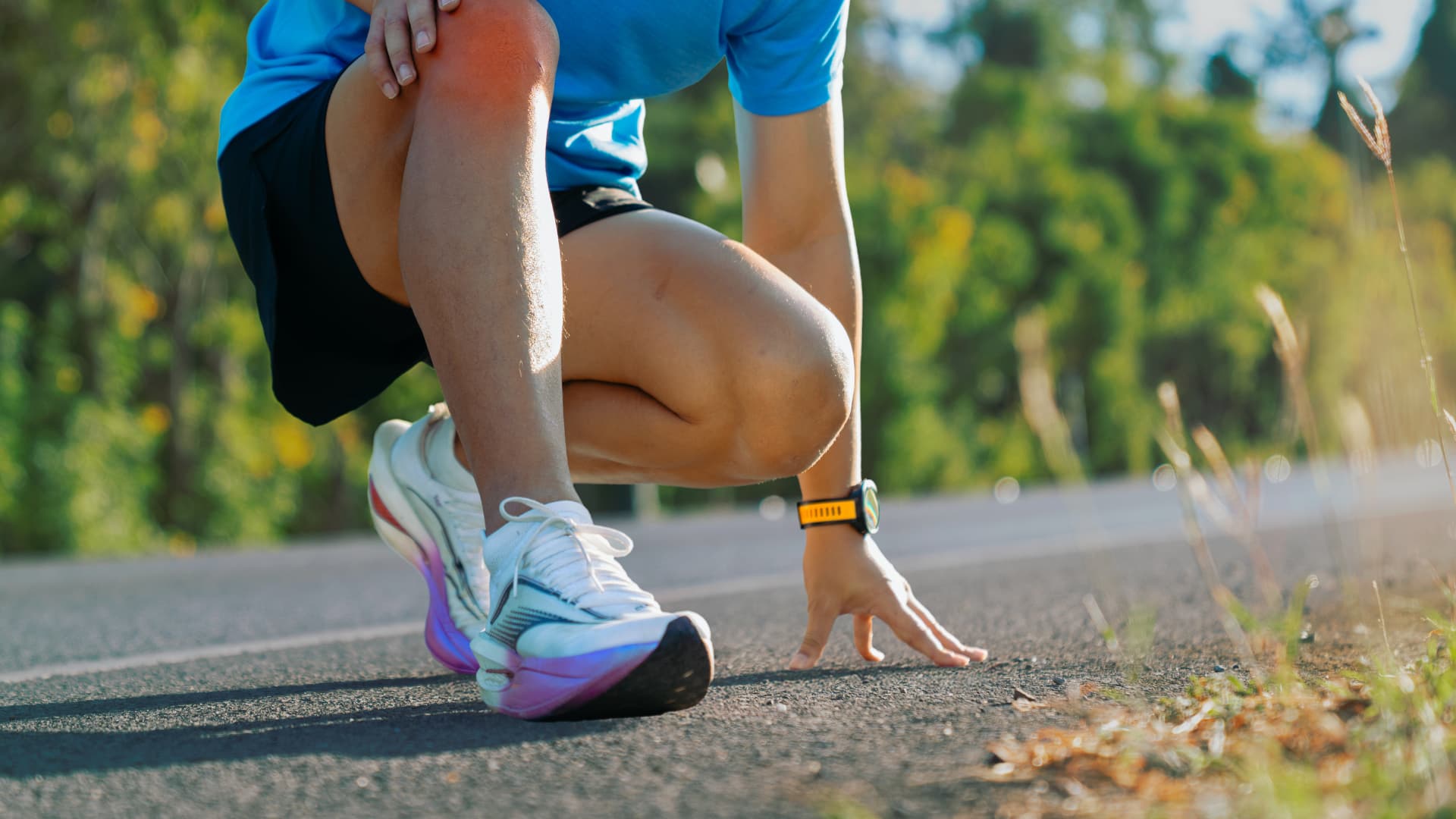
One of the most common questions athletes ask after a serious injury is whether they need surgery or whether physical therapy alone can get them back to full function. It is a high-stakes decision, and the answer is rarely obvious from the outside. The same injury can follow two completely different treatment paths depending on the athlete, the severity of the damage, and the demands of their sport. At Idaho Sports Medicine Institute, that decision is never made lightly or in isolation. It is the result of a thorough evaluation, honest conversation, and a treatment philosophy built around doing what is right for the individual, not what is easiest or most expedient.
This guide breaks down how athletes and providers approach that decision, which conditions tend to respond well to conservative care, what signs point toward surgery, and how the team at ISMI navigates the call between the two.
How Do Athletes Know If They Need Surgery or Physical Therapy?
The short answer is that most athletes cannot know on their own, and that is exactly why a professional evaluation matters. Pain intensity is not a reliable indicator of severity. Some significant structural injuries present with surprisingly manageable discomfort, while some less serious injuries can be acutely painful. Making a treatment decision based on how something feels without understanding what is actually happening inside the joint is one of the most common ways athletes end up with prolonged recoveries or recurring problems.
A sports medicine evaluation replaces guesswork with clinical information. Through physical examination, functional testing, and imaging, when appropriate, providers develop a clear picture of the injury, making the treatment decision far more straightforward. In many cases, the path forward is obvious once the full clinical picture is in view. In others, a trial of conservative care is the appropriate first step, with surgery remaining on the table if that approach does not produce the needed results.
The key principle at ISMI is that conservative treatment is always considered first unless the injury is severe enough that delaying surgery would cause additional damage or make reconstruction significantly more difficult. Surgery is a tool, not a default.
What Conditions Typically Respond Well to Physical Therapy Alone?
A significant portion of sports injuries, including some that sound serious, respond very well to structured physical therapy without any surgical intervention. The determining factors are usually the degree of structural damage, the stability of the joint, and the functional demands the athlete places on the injured area.
Conditions that frequently resolve successfully with physical therapy and conservative care include:
- Partial thickness rotator cuff tears that have not progressed to full rupture and are not causing significant functional instability. Many athletes with partial rotator cuff tears return to full activity through targeted strengthening and load management.
- Shoulder impingement syndrome, which in most cases responds well to postural correction, rotator cuff strengthening, and scapular stabilization work. Learn more about ISMI's approach to shoulder impingement.
- Patellar tendinitis and kneecap pain are typically overuse-related and respond to load management, eccentric strengthening, and correction of movement patterns. ISMI treats both kneecap pain and related conditions conservatively in most cases.
- Grade I and II ankle sprains heal well with progressive rehabilitation focused on restoring proprioception, strength, and stability. Ankle sprains rarely require surgery unless there is significant ligament rupture or chronic instability.
- Stress fractures in their early stages, which are managed through activity modification, load reduction, and a carefully graduated return to training. ISMI's approach to stress fractures prioritizes bone healing before progressive reloading.
- MCL injuries, which have strong healing potential due to good blood supply, typically resolve with bracing and physical therapy in all but the most severe cases. More on MCL injuries at ISMI.
- Hip pain and early-stage FAI that has not progressed to significant labral damage, where strengthening the surrounding musculature and correcting movement mechanics can meaningfully reduce pain and restore function. ISMI treats hip pain and FAI through both conservative and surgical pathways, depending on severity.
What these conditions share is that the underlying structure retains enough integrity to heal and adapt with the right stimulus. Physical therapy works by creating that stimulus, rebuilding strength and movement quality, taking pressure off the injured area, and allowing it to recover.
What Signs Indicate That Surgery May Be Necessary?
While conservative care is the preferred starting point for most injuries, there are clear clinical signals that suggest surgery is the more appropriate path. Recognizing those signals early leads to better surgical outcomes, because operating before significant secondary damage accumulates gives the surgeon more to work with and the athlete a better foundation for recovery.
Surgery is more likely to be necessary when one or more of the following are present:
- Complete structural rupture that cannot heal on its own or be stabilized through rehabilitation alone. A fully torn ACL, for example, does not regenerate. Athletes who want to return to cutting-and-pivoting sports typically need reconstruction to do so safely. ISMI's approach to ACL injuries reflects this clinical reality.
- Significant joint instability that persists despite a full course of physical therapy, where the joint continues to give way during functional activity
- Mechanical symptoms such as locking, catching, or a sensation of something blocking movement inside the joint, which often indicate loose bodies or a displaced meniscus tear that cannot be managed conservatively
- Full-thickness tendon or muscle rupture where the tissue has retracted and lost continuity, making natural healing impossible. Biceps ruptures in overhead athletes often fall into this category.
- Labral tears cause chronic instability, particularly in the shoulder or hip, where the labrum can no longer provide the joint containment needed for athletic function. ISMI treats labral tears of the shoulder surgically when instability is the primary driver.
- Progressive symptoms despite adequate conservative care, where a well-designed physical therapy program has been completed, and the athlete has not achieved the functional level needed to return to sport
It is worth noting that the presence of these factors does not automatically mean surgery is the only option. Age, overall health, activity goals, and the athlete's willingness to accept certain functional limitations all factor into the final decision. Some athletes with complete ACL tears, for example, choose to manage without surgery if their sport demands allow for it. The goal is always informed decision-making, not a one-size-fits-all protocol.
How Do Sports Medicine Providers in Boise Make the Call?
At ISMI, the decision between physical therapy and surgery is made through a structured process that combines objective clinical findings with honest conversation about what the athlete wants and needs from their body.
The process generally follows this sequence:
Step 1: Comprehensive evaluation. Every treatment decision begins with a thorough assessment that includes injury history, physical examination, functional movement screening, and imaging review when indicated. This step establishes the clinical baseline on which everything else is built.
Step 2: Diagnosis with context. The diagnosis is interpreted in the context of the athlete's sport, competitive level, age, and recovery goals. A meniscus tear in a 45-year-old recreational cyclist and a meniscus tear in a 19-year-old collegiate basketball player may carry the same diagnosis but lead to very different treatment recommendations.
Step 3: Conservative care first when appropriate. If the injury has healing potential and the athlete's goals are achievable without surgery, physical therapy is initiated through ISMI's sports rehabilitation program. Progress is monitored at regular intervals, and the plan is adjusted based on the athlete's response.
Step 4: Reassessment and surgical consultation if needed. If conservative care reaches a plateau or the clinical picture changes, a surgical consultation is initiated. At ISMI, the orthopedic surgery and sports medicine teams work under the same roof as the physical therapy team, which means that transition is seamless and the surgical team already has context from the rehabilitation process.
Step 5: Shared decision-making. Ultimately, the athlete is part of the decision. Providers present the options, explain the tradeoffs, and give athletes the information they need to choose the path that aligns with their goals, timeline, and risk tolerance. You can learn more about the full range of orthopedic surgery and sports medicine services available at ISMI.
Get a Clear Answer at Idaho Sports Medicine Institute
The question of whether you need physical therapy or surgery deserves a real answer based on real clinical information, not a guess. Idaho Sports Medicine Institute brings together sports medicine physicians, orthopedic surgeons, and physical therapists to thoroughly evaluate injuries and guide athletes toward the treatment path that offers the best chance of a full, lasting recovery.
If you are dealing with a sports injury and are not sure what the right next step looks like, contact Idaho Sports Medicine Institute today to schedule an evaluation and get the clarity you need to move forward.