
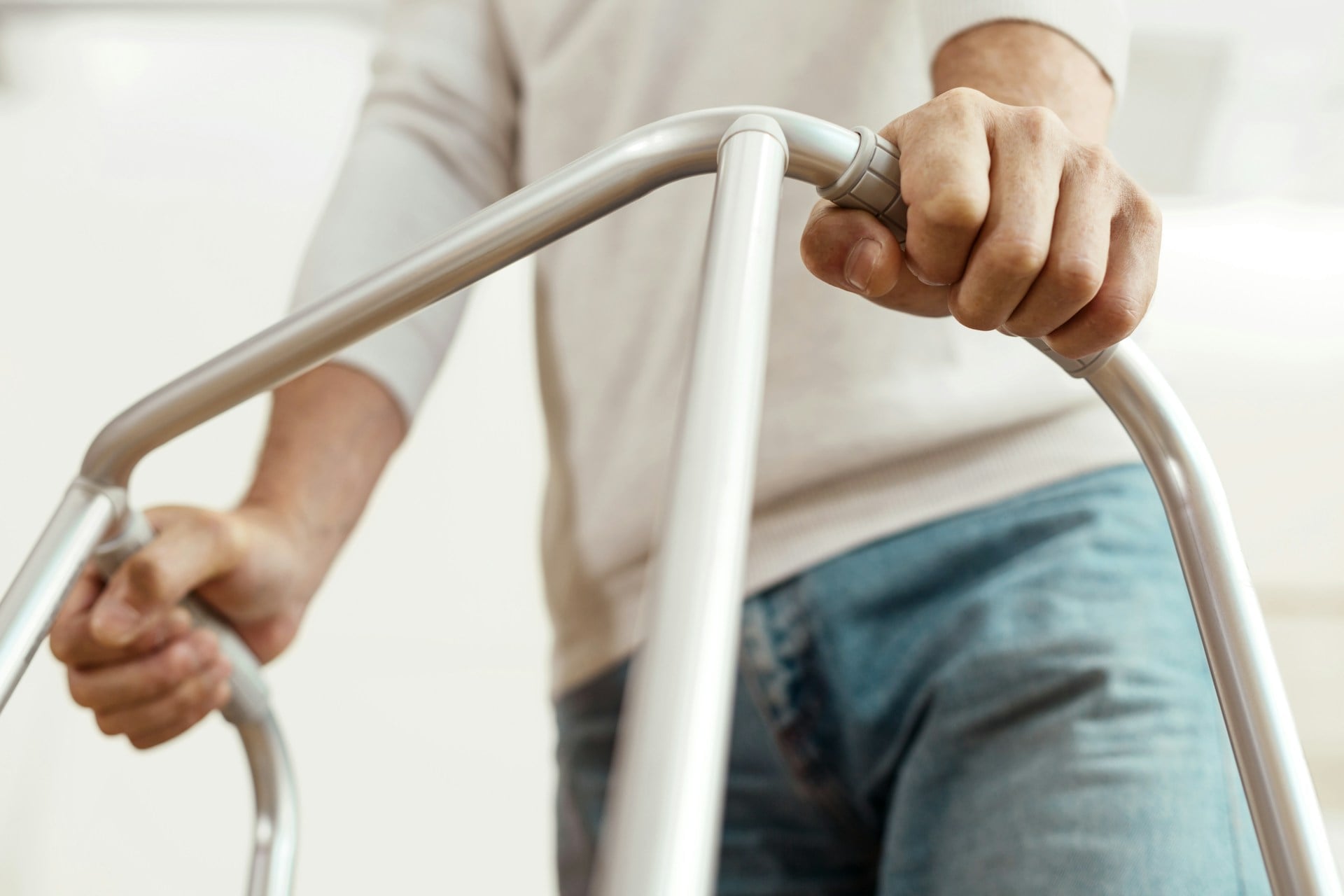
Living an active lifestyle in Boise, Idaho often involves engaging in various sports and outdoor activities. However, injuries and the need for orthopedic surgery can sometimes interrupt these pursuits. One of the main concerns after surgery is how to minimize recovery time effectively. By reducing recovery time, you can get back to doing what you love—whether that’s hiking in the foothills, participating in local races, or just enjoying an active life with family and friends. Properly managing your post-surgery recovery is crucial for preventing complications and promoting faster healing.
Orthopedic surgery, while beneficial in resolving underlying issues, typically involves a recovery period that varies depending on the nature of the procedure. This period can be challenging, but with the right approach, you can help your body heal more efficiently. Understanding how to prepare before surgery and knowing what to expect afterward can significantly impact your recovery timeline. The subsequent sections will explore effective ways to prepare for surgery and the essential practices to follow afterward to ensure your recovery is as swift and smooth as possible.
Preparing for a Smooth Recovery
Proper preparation before surgery sets the stage for a more manageable recovery process. It involves a few key strategies that help your body withstand the stress of surgery and bounce back quickly.
– Consult Your Doctor: Before surgery, it’s beneficial to discuss your current health status and any concerns with your doctor. They can offer valuable insights into what to expect and how best to prepare physically and mentally.
– Prehabilitation Exercises: Just as you might train before a big game, prehabilitation exercises can help prepare your body for surgery. These exercises aim to strengthen muscles and improve flexibility, making them less prone to strain post-surgery. For example, if you’re undergoing a knee procedure, focusing on leg strength and range of motion could be particularly useful.
– Prepare Your Home: Arrange your living space to avoid unnecessary strain once you’re home from the hospital. This could mean setting up a comfortable resting area, ensuring mobility aids are accessible, and placing frequently used items within reach.
– Plan for Help: Organize a support system to assist you with daily tasks that might become challenging, such as cooking, cleaning, and driving.
– Nutrition and Hydration: Start nourishing your body with a balanced diet rich in proteins, vitamins, and minerals well before your surgery. Keeping hydrated is also vital as it supports all bodily functions and prepares you for a better recovery phase.
By following these steps, you can set up the foundations for a smoother, less stressful recovery experience.
Essential Post-Surgery Practices
Once the surgery is complete, what you do next can have a profound effect on how quickly and effectively you recover. Adhering to specific post-surgery practices will not only help speed up the healing process but also allow you to safely regain your active lifestyle as you progress.
– Follow Doctor’s Orders: Make sure to follow the post-operative instructions provided by your healthcare provider carefully. They prepare these instructions while keeping your specific needs in mind, and adhering to them is crucial for your recovery.
– Manage Pain and Inflammation: Pain management is a significant aspect of recovery. It might include medication, though always consult your doctor before taking anything. Cold therapy, such as ice packs, can also help reduce swelling.
– Gradual Return to Activity: While rest is important initially, introducing light activity as recommended can prevent stiffness and promote blood flow. Start with short walks or gentle stretches, but be sure to listen to your body and avoid anything too strenuous.
Taking these first steps post-surgery with care and attention will help ensure a faster recovery. With a focus on gradual reintroduction to activity, and by staying proactive about pain and inflammation management, you can be on the road to recovery in no time.
Incorporating Physical Therapy
Incorporating physical therapy into your recovery plan is a powerful way to speed up healing after surgery. It not only helps in gradually restoring your range of motion but also strengthens your muscles, which can be pivotal in preventing future injuries. Boise offers various options for physical therapy, and working with a skilled therapist can make a significant difference in your recovery journey.
One of the key benefits of physical therapy is the personalized care you receive. Therapists work with you to create a customized plan that aligns with your specific needs and goals. You might engage in exercises that target different muscle groups, suited to complement your surgery. For instance, those recovering from shoulder surgery might practice arm circles or gentle resistance exercises to regain movement.
Regular sessions can also include stretching routines designed to increase flexibility and reduce stiffness. Consistency is crucial; attending sessions regularly will maximize your progress. Having expert guidance ensures you’re performing exercises safely and effectively, minimizing any risk of re-injury.
Lifestyle and Nutritional Adjustments
Making thoughtful lifestyle and nutritional choices post-surgery can also play a critical role in your recovery. A balanced diet full of nutrients supports tissue repair, boosts your immune system, and provides energy for your rehabilitation exercises. Aim for meals that incorporate lean proteins, whole grains, fruits, and vegetables.
Staying active within your limits is another aspect to consider. Look for low-impact activities like walking or swimming that help maintain fitness without putting excess stress on your body. It’s a fine balance—staying active enough to promote health, while ensuring that you do not overstrain yourself.
– Hydration: Keeping well-hydrated helps every cell in your body, especially when healing. Aim to drink plenty of water throughout the day.
– Prioritize Sleep: Your body repairs itself while you sleep, so make sure you’re giving it plenty of rest to do its job. Create a restful bedtime routine to help ensure quality sleep.
By adapting these lifestyle and nutritional adjustments, you can create a supportive environment for your body’s recovery process.
Ensuring Long-Term Health
Once you’ve navigated the initial stages of recovery, maintaining health in the long term becomes essential. One way to do this is by continuing to integrate regular physical activity into your routine. It doesn’t mean you need to stick to high-intensity workouts; instead, focus on exercises that are enjoyable and sustainable.
Strategies for preventing re-injury involve listening to your body and avoiding activities that cause discomfort. Remember that aches and pains can be signals that something needs to be adjusted in your routine. Regular check-ins with your healthcare provider can help monitor progress and address any concerns that might arise. They can also guide you on when to seek additional consultation if you notice persistent issues.
Maintaining a healthy lifestyle is a continuous process but a rewarding one. By taking these precautions and staying informed about your health, you can embrace a full, active life without being held back by previous surgeries.
Taking the Right Steps to Speed Up Recovery
Summarizing these strategies, reducing recovery time hinges on preparation, incorporating physical therapy, and maintaining proactive health and nutrition habits. By addressing each aspect thoughtfully, you position yourself for the best possible outcome. It’s about making small, consistent efforts that collectively make a big difference in how quickly and effectively you recover.
Stay engaged with your health journey, and remember that every step you take brings you closer to resuming the activities you love. Active participation in your recovery isn’t just about getting back to normal—it’s about enhancing your overall well-being in the long run.
Ready to get back to your active lifestyle post-surgery? At ISMI, we understand the importance of a speedy and effective recovery. Enhance your healing process with tailored physical therapy in Boise, Idaho, designed to meet the unique needs of every patient. Contact us today, and let our expert team guide you through recovery and beyond so you can return to the activities you love most.